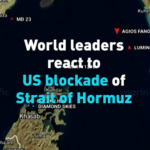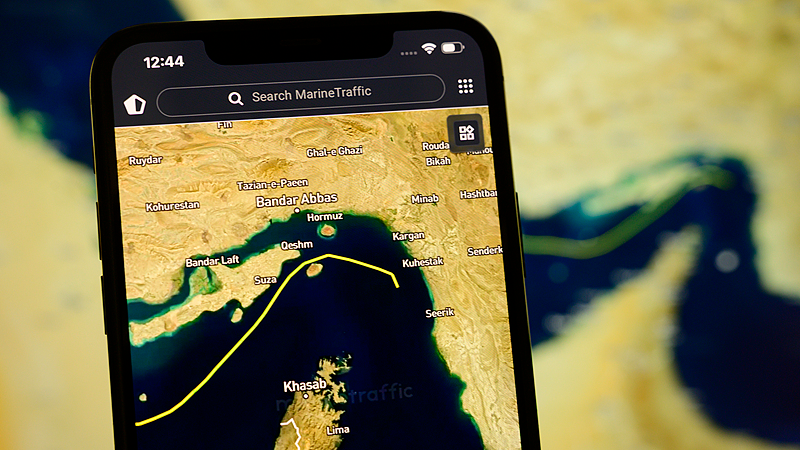
The United States' unilateral blockade of the Strait of Hormuz, enacted Monday following collapsed negotiations with Iran, has sent shockwaves through global energy markets and raised alarms about renewed regional conflict. The move, described by Iranian media as a "reckless gamble," threatens to disrupt 30% of the world's seaborne oil trade at a time when Brent Crude prices already hover near $120 per barrel.
A Logistical Challenge
Experts question the blockade's viability given the strait's strategic complexity. Abdulaziz Alshaabani of Al Riyadh Center for Political and Strategic Studies notes the U.S. may rely on selective ship inspections rather than a full shutdown, stating: "Maritime route complexities and intertwined international interests make absolute control impossible."
Economic Domino Effect
Analysts warn Asian and European economies face immediate risks. "This isn't just a U.S.-Iran standoff—it's a chokehold on global trade," said Cairo-based analyst Abu Bakr al-Deeb. Onyx Capital Group forecasts oil could spike to $150/barrel if the blockade persists, compounding inflation pressures worldwide.
Military Escalation Risks
Baghdad-based scholar Mohammed Al-Jubouri warns the blockade undermines last week's fragile U.S.-Iran ceasefire: "Iran needs only coastal missiles or proxy actions to turn this into a war of attrition." The Islamic Revolutionary Guard Corps has vowed to deploy "unseen capabilities" if tensions escalate further.
As tankers reroute through longer African passages, shipping costs surge 18% this week. The U.S. move, while aimed at pressuring Tehran, now tests Washington's ability to manage both economic fallout and military brinkmanship in one of the world's most volatile regions.
Reference(s):
US blockade of Strait of Hormuz – sustainability and consequences
cgtn.com