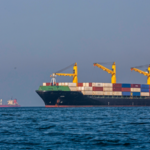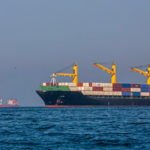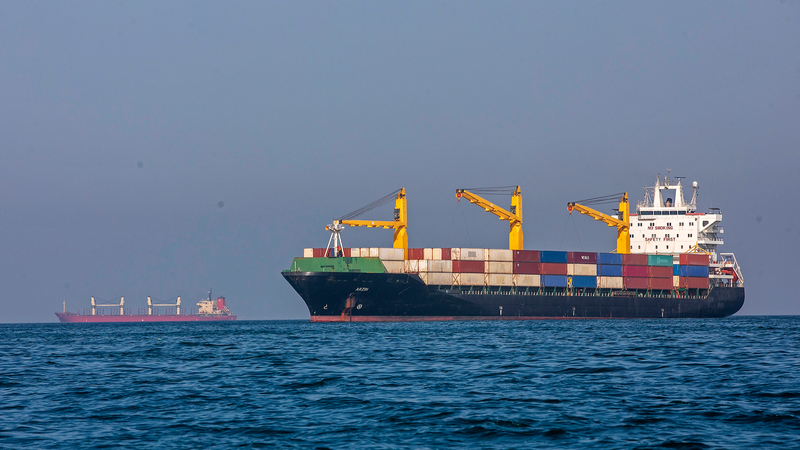
Global energy markets are watching closely as a potential agreement between the United States and Iran emerges, aimed at restoring shipping traffic in the Strait of Hormuz to pre-war levels. According to Iran's semi-official Tasnim news agency, the proposed deal stipulates that the number of ships transiting the vital waterway would return to previous levels within 30 days.
The proposed framework, which has seen progress reported by mediators in Pakistan, includes a 60-day ceasefire extension. During this window, the Strait of Hormuz would be reopened, allowing Iran to freely sell its oil. In exchange, the United States seeks a commitment to curb Iran's nuclear program. US President Donald Trump indicated via social media that a memorandum of understanding is "largely negotiated," highlighting the urgency of reopening the passage after its closure upended energy markets following the outbreak of conflict this past February.
However, the path to a final signature remains fraught with contradictions. While the US administration expresses optimism, Iran's Fars news agency reported that President Trump's claims of a nearly final agreement are "inconsistent with reality." Tehran has emphasized that it will continue to exercise its sovereignty over the Strait of Hormuz and insists that any naval blockade against the country must be fully lifted within a 30-day period.
The most significant point of contention remains Iran's nuclear program. Two US officials told the New York Times that a key element of the agreement is Tehran's commitment to surrender its stockpile of highly enriched uranium. Contrarily, a senior Iranian source told Reuters that the nuclear issue is not part of the current preliminary agreement and will only be addressed during negotiations for a final deal.
As the international community hopes for a resolution, the discrepancy between the two nations regarding the scope of the preliminary deal—specifically whether it includes the enriched uranium stockpile—remains a critical hurdle in stabilizing one of the world's most important strategic maritime chokepoints.
Reference(s):
Potential deal could restore Hormuz traffic to pre-war level
cgtn.com