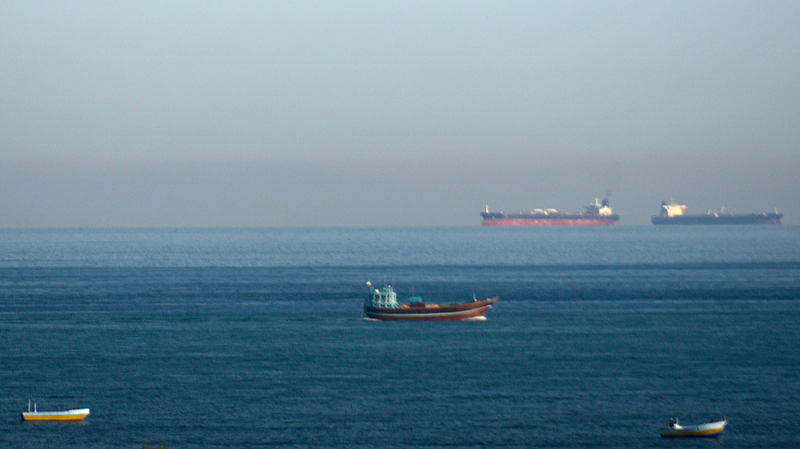
Tensions in one of the world's most critical maritime chokepoints escalated this week as the United States and Iran provided starkly different accounts of a naval encounter in the Strait of Hormuz.
Conflicting Reports on Naval Damage
US President Donald Trump stated this past Thursday that three American destroyers, which had recently transited out of the Strait of Hormuz, sustained no damage. In his remarks, the President emphasized the safety of the vessels and urged Iran to move quickly toward signing a deal to stabilize the region.
However, this narrative is sharply contested by Tehran. Iran's main military command, the Khatam al-Anbiya Central Headquarters, asserted that it had retaliated against US military vessels. According to the command, the retaliation caused significant damage to the American ships, claiming the action was a response to an attack on two Iranian vessels near the strait, which they allege was a violation of the existing ceasefire between the two nations.
Global Implications
For global markets and business professionals, the stability of the Strait of Hormuz is paramount, as it serves as a primary artery for global energy supplies. The discrepancy between the two reports underscores the fragility of the current ceasefire and the high stakes involved in the ongoing diplomatic tug-of-war.
As the international community watches closely, the call for a formal agreement remains a central point of discussion, though the recent allegations of maritime aggression threaten to complicate the path toward a lasting resolution.
Reference(s):
Live: Trump says no harm to US destroyers, urges Iran to sign deal
cgtn.com