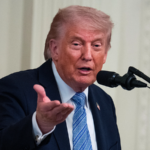
A glimmer of hope has emerged in the Middle East as a potential deal between the United States and Iran begins to take shape. The agreement, aimed at ending a devastating regional conflict and reopening the vital Strait of Hormuz, was described by US President Donald Trump over the weekend as being "largely negotiated." However, officials in Tehran have tempered expectations, warning that a final agreement is not yet imminent.
The Toll of Conflict
The current tension follows twelve weeks of intense warfare initiated by US and Israeli attacks on Iran. These strikes resulted in the deaths of several senior officials, including Supreme Leader Ayatollah Ali Khamenei. The conflict quickly expanded across the region, with the Iranian-backed Hezbollah militant group engaging Israel in Lebanon. While a fragile ceasefire has held since April 7, the region remains on edge, particularly after Iranian missiles and drones struck key Gulf havens and travel hubs, including the United Arab Emirates.
Global Economic Stakes
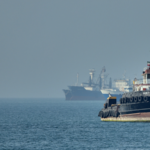
For business professionals and global investors, the primary focus remains the Strait of Hormuz. As one of the world's most critical maritime chokepoints, the strait handles an estimated 20% of the world's oil and natural gas. The current closure has left hundreds of ships carrying energy, fertilizer, and other essential supplies stranded, triggering widespread global economic concern.
Under the emerging framework, the strait would reopen gradually. This process would run parallel to the United States lifting the blockade of Iranian ports, which was implemented on April 17 and has severely hampered Iran's ability to generate cash through oil exports.
The Terms of the Table
Regional officials indicate that the draft deal centers on several critical pillars:
- Ending Hostilities: A commitment to stop fighting on all fronts, including the conflict between Israel and Hezbollah in Lebanon.
- Non-Interference: An agreement to cease interference in the domestic affairs of regional countries, a point specifically targeting Iran's support for proxies such as the Houthi rebels in Yemen, Hamas in Gaza, and Shiite armed groups in Iraq.
- Security Guarantees: A point of contention remains Israel's security; while the US insists on Israel's right to act in self-defense against imminent threats, Tehran has rejected this provision.
The Path to Finalization
If the deal progresses, the US would allow Iran to sell its oil through specific sanctions waivers. Furthermore, the release of billions of dollars in frozen Iranian funds and broader sanctions relief are slated to be negotiated over a designated 60-day period.
While the roadmap to peace is complex and the timeline remains unclear, the prospect of restoring stability to the region offers a critical lifeline for global trade and regional security.
Reference(s):
US-Iran deal taking shape, Tehran warns it's not yet imminent
cgtn.com