
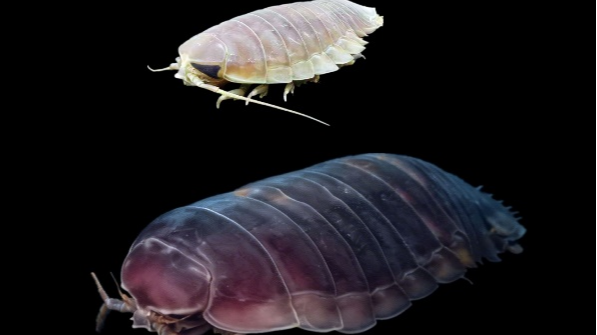
Secrets of the Abyss: How Deep-Sea Giants Survive Five Years Without Food
Researchers from the Chinese mainland and Hong Kong have discovered how supergiant isopods survive five years without food using a ‘hijacked’ bacterial gene.
News & Insights Across Asia
Researchers from the Chinese mainland and Hong Kong have discovered how supergiant isopods survive five years without food using a ‘hijacked’ bacterial gene.
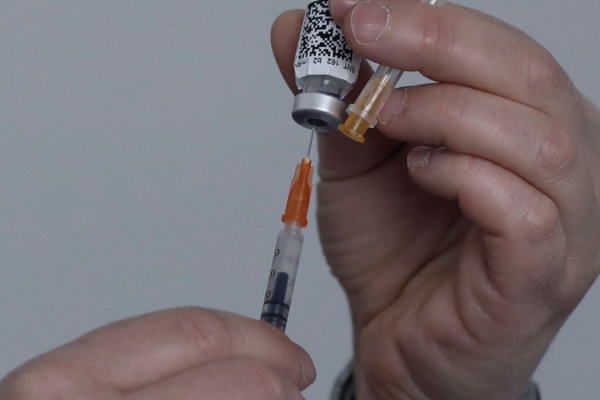
University of Cambridge and DIOSynVax unveil an AI-designed ‘future-proof’ vaccine that protects against multiple coronavirus strains, potentially ending the need for constant updates.
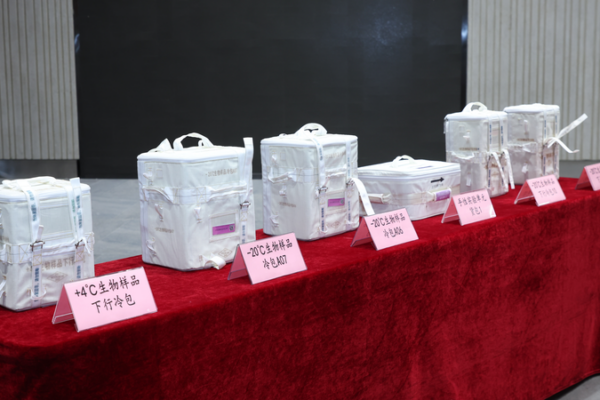
China has begun analyzing 41kg of scientific samples returned by the Shenzhou-22 spacecraft, promising breakthroughs in life sciences and materials engineering.
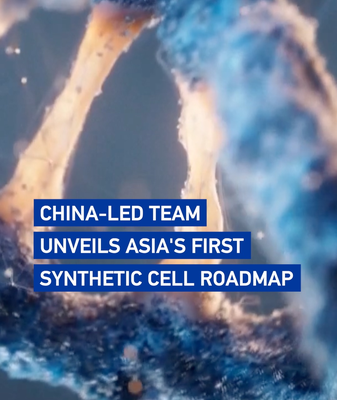
A China-led international collaboration has launched a pioneering 10-year roadmap to develop artificial single-cell life from scratch, involving over 100 laboratories across Asia.
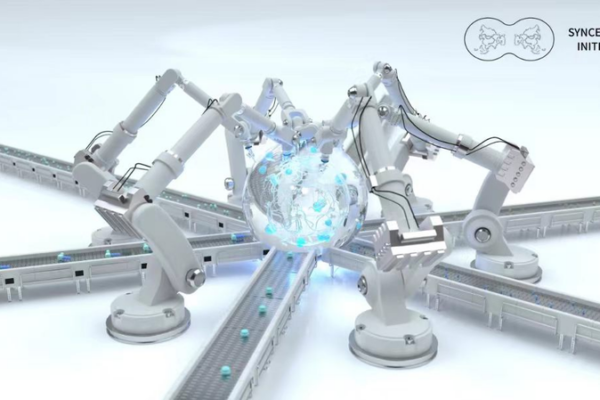
Scientists from six Asian nations have launched the SynCell Asia Initiative, a 10-year roadmap to create artificial single-celled life from non-living molecules.

A China-led team has launched Asia’s first 10-year roadmap for synthetic cells, outlining a path toward artificial life and self-replicating cells via AI-powered biofoundries.

From the world’s first cloned yak to batch production, Xizang is becoming a major frontier for high-altitude life sciences and livestock innovation.
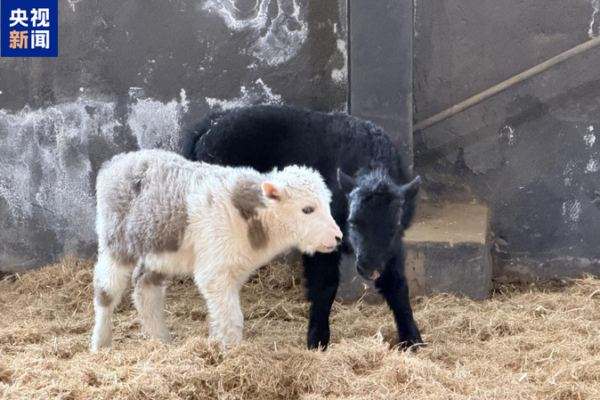
China is transforming the Qinghai-Xizang Plateau into a scientific frontier, achieving breakthroughs in yak cloning and critical climate research in the Himalayas.
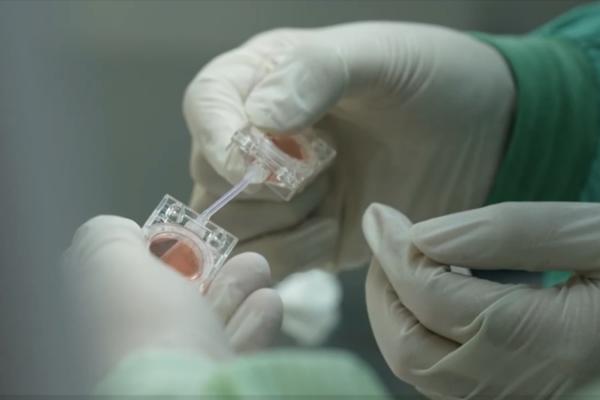
China has initiated the first-ever space experiment using human artificial embryos aboard its space station, reporting smooth progress in this groundbreaking study.
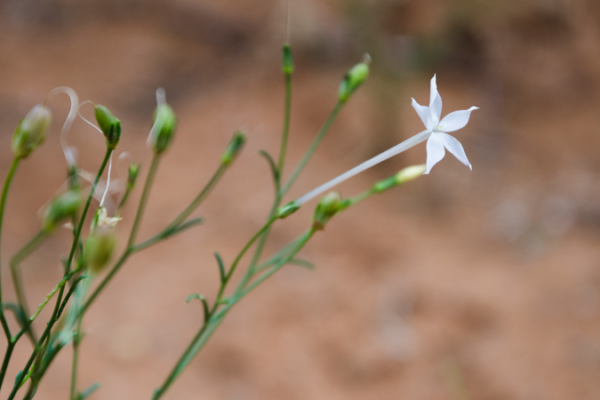
Chinese researchers decode the biochemical pathway behind nicotine production in tobacco plants, offering insights for agriculture and medicine.
KAIST researchers discover molecular mechanism to reverse cancer cell progression, potentially revolutionizing oncology treatment approaches in 2026.

Hong Kong reports record business expansion in 2025 with 11,070 multinational firms and 5,221 startups, driven by fintech and biotech innovation.

Chinese researchers unveil blink-powered smart contact lenses enabling battery-free device control, with applications from healthcare to virtual reality.
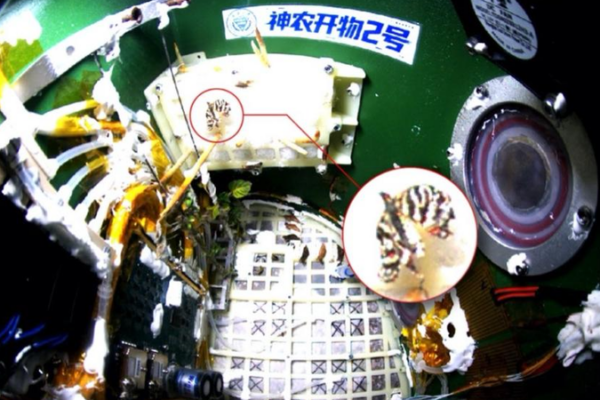
A butterfly successfully adapted to microgravity in China’s closed-loop space experiment, marking progress in sustainable orbital life-support systems.
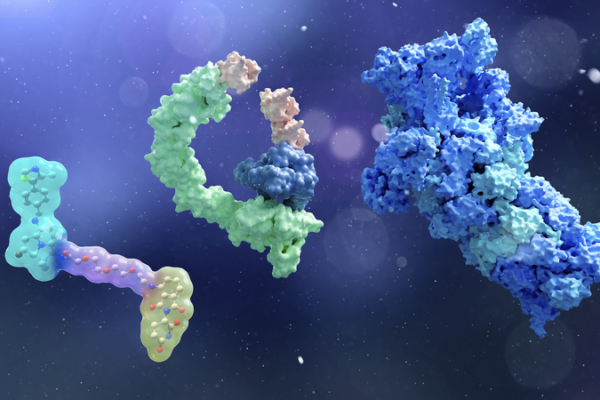
Chinese researchers develop SupTACs technology enabling precise protein degradation, offering new hope for treating cancer and neurodegenerative diseases.

Peking University scientists develop intratumoral vaccine that forces cancer cells to reveal themselves, potentially revolutionizing immunotherapy-resistant tumor treatment.
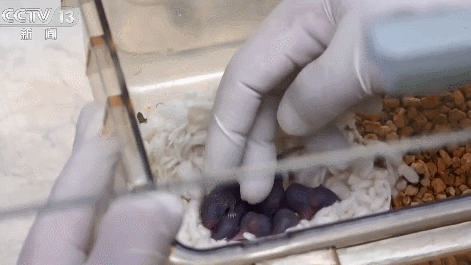
Chinese scientists celebrate as space-born mice successfully reproduce post-mission, advancing research on long-term space habitation.

Scientists discover viruses use hidden RNA messages as molecular ‘Trojan horses’ to hijack host cells, revealing new avenues for antimicrobial development.
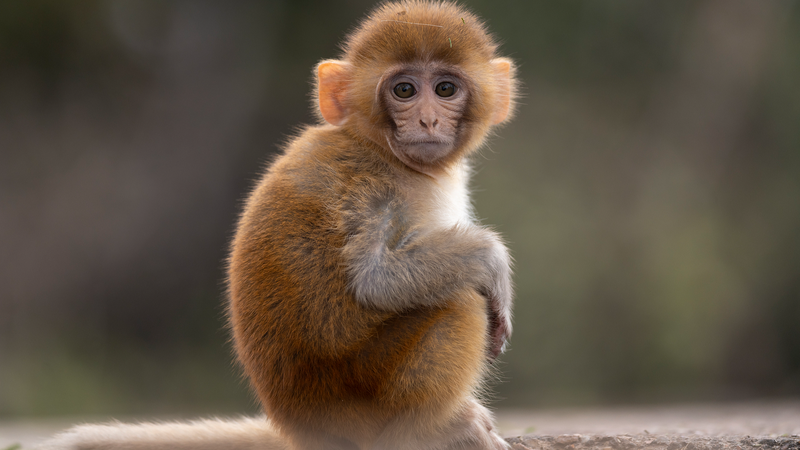
Chinese researchers unveil a comprehensive molecular study on aging in rhesus macaques, offering insights into human longevity and age-related diseases.
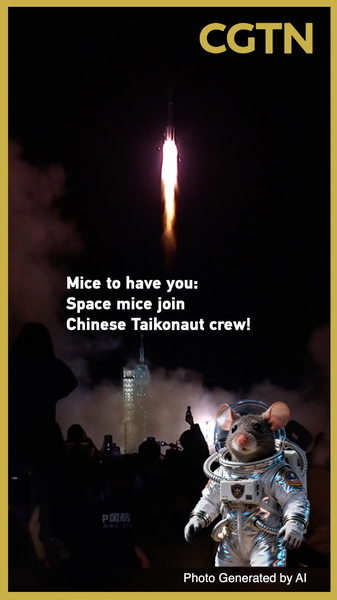
Four specially selected mice join China’s Shenzhou-21 crew for pioneering experiments aboard the Tiangong space station, advancing biotechnology and space medicine research.