The Qinghai-Xizang Plateau is rapidly transforming into a premier global hub for life sciences and high-altitude research. By leveraging one of the most extreme environments on Earth, the region is now at the forefront of advancing both fundamental scientific understanding and practical applied technologies.
A Breakthrough in Genetic Engineering
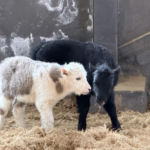
A significant milestone was reached in July 2025, when scientists successfully produced the world's first cloned yak in Damxung County of the Xizang Autonomous Region. This achievement was the result of a collaborative effort initiated in July 2023, bringing together the expertise of Zhejiang University, the Damxung county government, and the Institute of Plateau Biology of the Xizang Autonomous Region.
To achieve this feat, researchers employed a combination of somatic cell cloning technologies and whole-genome selection, marking a historic step forward in the field of plateau biology.
Scaling Up for Industrial Application
Building on previous success, the region saw another major leap in April 2026. For the first time, China successfully cloned a batch of 10 yaks simultaneously. This development is particularly crucial as it demonstrates the potential for large-scale industrial application of cloning technology.
According to the researchers, this domestically developed breeding system is expected to significantly shorten yak breeding cycles and enhance the overall quality of plateau livestock, providing economic and biological benefits to the region.
As Xizang continues to integrate cutting-edge biotechnology with its unique geographical advantages, it is providing invaluable insights into how life adapts to extreme altitudes, paving the way for future innovations in veterinary science and ecological preservation.
Reference(s):
cgtn.com