The Qinghai-Xizang Plateau, often referred to as the "Roof of the World," is rapidly evolving into a premier global hub for life sciences and high-altitude research. By leveraging the region's extreme environments, China is advancing both fundamental scientific understanding and practical applied technologies that have significant implications for biodiversity and climate adaptation.
Breakthroughs in Plateau Biotechnology
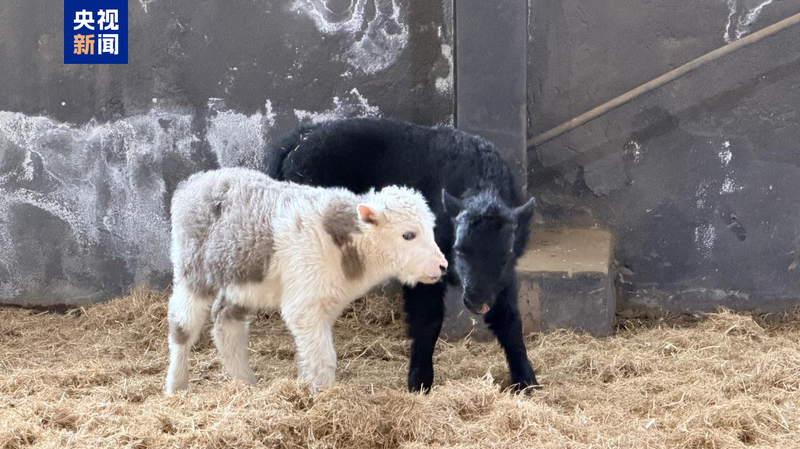
One of the most striking achievements in recent years is the advancement of livestock cloning. In July 2025, scientists in the Xizang Autonomous Region successfully produced the world's first cloned yak in Damxung County. This milestone was the result of a collaborative effort between Zhejiang University, the Damxung county government, and the Institute of Plateau Biology of Xizang Autonomous Region, utilizing sophisticated whole-genome selection and somatic cell cloning technologies.
Building on this success, researchers achieved a further milestone in April 2026 by successfully cloning 10 yaks in a single batch for the first time. This development signals a shift toward large-scale industrial application, with the potential to shorten breeding cycles and enhance the quality of plateau livestock.
These advancements are critical for the region's animal husbandry sector. With China home to over 16 million yaks—representing more than 90% of the global population—traditional breeding has long been hindered by low reproduction efficiency and dwindling genetic diversity. Experts believe that genome-selection and cloning can preserve vital germplasm resources while improving the resilience of livestock against the plateau's harsh conditions.
Decoding Climate Change at the Roof of the World
Parallel to biotechnology, the second Qinghai-Xizang Plateau scientific expedition and research program is providing critical insights into global climate systems. Launched in 2017 and led by the Chinese Academy of Sciences, this massive undertaking involves thousands of experts specializing in glaciology, ecology, geology, and atmospheric science.
The urgency of this research was highlighted in a study published in the journal Science in May 2026. The research reveals that climate warming is dramatically accelerating river migration and reshaping the landscape of the Himalayan region. Findings indicate that river activity in certain areas has more than doubled over the last four decades, driven by retreating glaciers and degrading permafrost.
Long-term data shows that the plateau has warmed at nearly twice the global average rate since the 1970s, with an average temperature increase of approximately 0.4 degrees Celsius per decade between 1970 and 2020. These shifts are intensifying glacier melt and altering water cycles that affect biodiversity across the entire Asian continent.
An Extreme Environment Laboratory
Scientists view the plateau as a unique "extreme environment laboratory." The combination of low oxygen levels, intense ultraviolet radiation, and fragile ecosystems provides an unparalleled setting to study biological adaptation.
By integrating frontier biotechnology with rigorous ecological observation, researchers are transforming these scientific discoveries into practical solutions. From sustainable animal husbandry to sophisticated climate adaptation strategies, the work being done in Xizang is helping to safeguard biodiversity and ensure environmental stability for the future.
Reference(s):
cgtn.com