A Bold Leap Toward Artificial Life
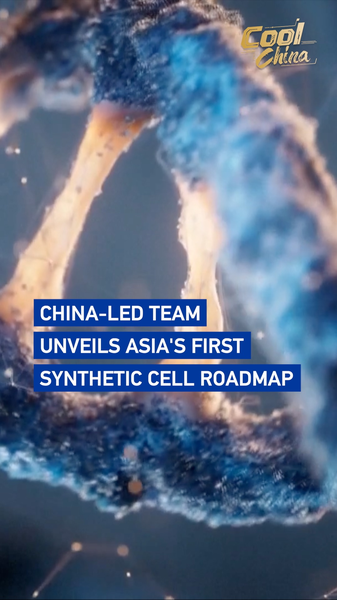
In a landmark development for biotechnology, a China-led international collaboration has officially unveiled Asia's first 10-year roadmap for synthetic cell research. This ambitious project outlines a strategic path toward the creation of artificial single-cell life built entirely from scratch, marking a significant milestone in the quest to understand and replicate the fundamental building blocks of life.
The initiative, known as the SynCell Asia Initiative, is led by Liu Chenli from the Shenzhen Institute of Advanced Technology under the Chinese Academy of Sciences. The project represents a massive regional effort, bringing together more than 100 laboratories from across the Chinese mainland, Japan, the Republic of Korea, Singapore, Malaysia, and Thailand.
A Strategic Two-Phase Approach
The comprehensive roadmap, which was recently published in the prestigious journal Nature Biotechnology, sets out a clear, two-phase strategy. The primary objective is to develop synthetic cells that are not only functional but capable of self-replication, a feat that would redefine the boundaries of synthetic biology.
For business professionals and investors, this roadmap signals a burgeoning hub of biotechnological innovation within Asia. The collaboration of top-tier research institutions across multiple countries suggests a coordinated effort to lead the global race in synthetic life sciences, potentially opening new doors for pharmaceutical breakthroughs, sustainable materials, and advanced medical therapies.
As the SynCell Asia Initiative progresses, it positions the region as a central player in one of the most complex and promising scientific frontiers of the 21st century, fostering cross-border academic exchange and driving the evolution of modern biology.
Reference(s):
cgtn.com