
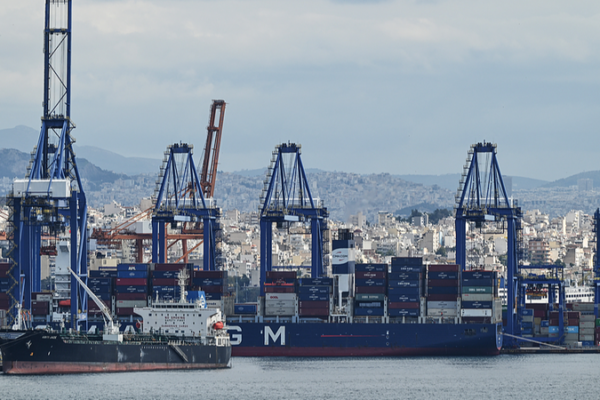
China and Greece Strengthen Maritime Ties for a Green Future
China and Greece pledge to expand cooperation in shipping finance and green development following the Posidonia 2026 exhibition in Athens.
News & Insights Across Asia
China and Greece pledge to expand cooperation in shipping finance and green development following the Posidonia 2026 exhibition in Athens.
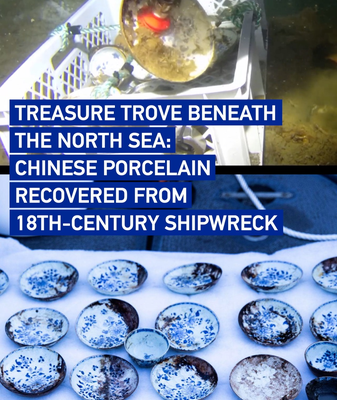
Archaeologists have recovered an unparalleled collection of 18th-century Chinese porcelain and artifacts from a shipwreck off the coast of Norway.
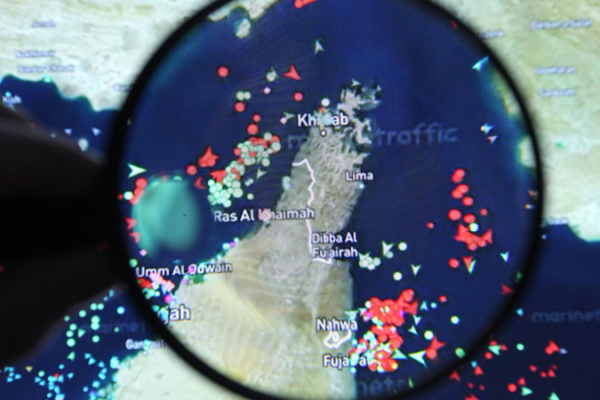
Explore the significance of real-time maritime monitoring via the live ship tracker for the Strait of Hormuz, a critical artery for global commerce.
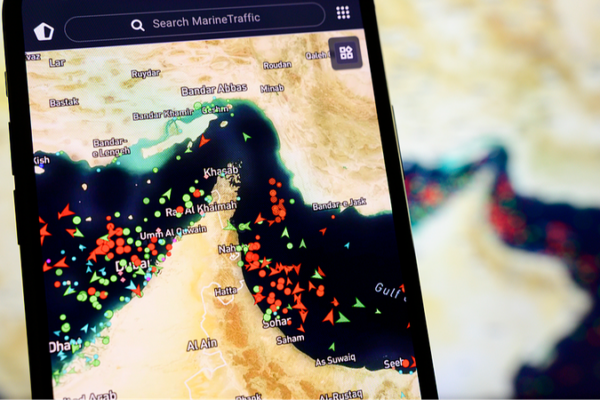
Explore the importance of real-time maritime monitoring in the Strait of Hormuz and how live ship tracking is shaping global trade analysis in 2026.
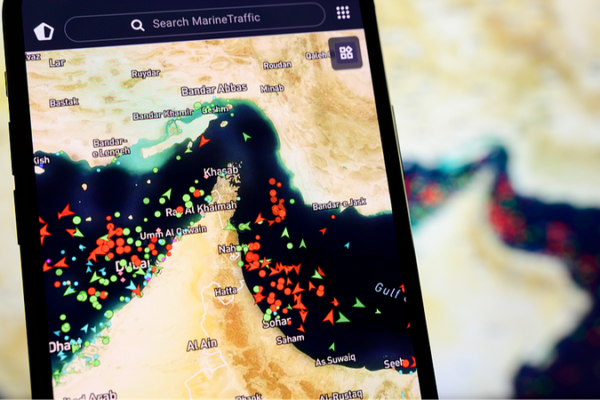
Explore the significance of real-time maritime monitoring with the Strait of Hormuz ship tracker, a vital tool for global trade and energy security.
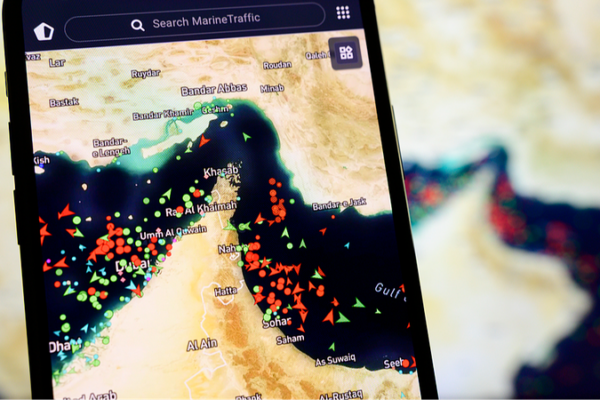
Explore the critical importance of live ship tracking in the Strait of Hormuz and its impact on global energy security and Asian markets in 2026.
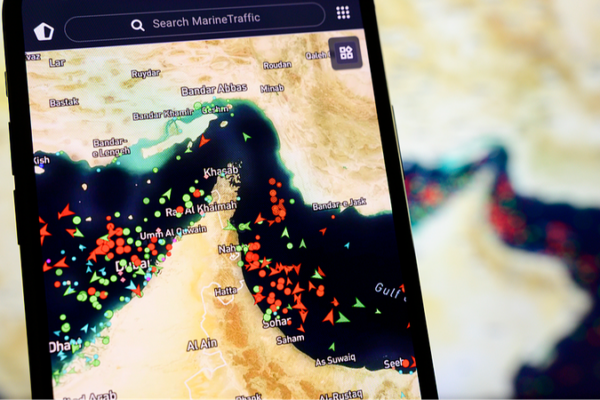
Explore the significance of real-time vessel monitoring in the Strait of Hormuz, a critical chokepoint for global energy and international trade.
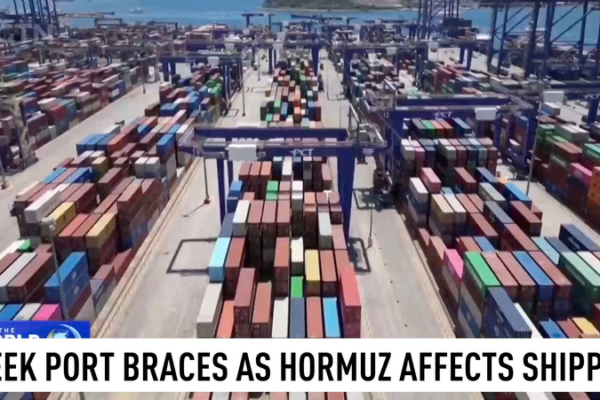
Shipping disruptions in the Red Sea and Strait of Hormuz are forcing vessels around Africa, challenging the strategic advantage of the Piraeus port hub and hiking costs.
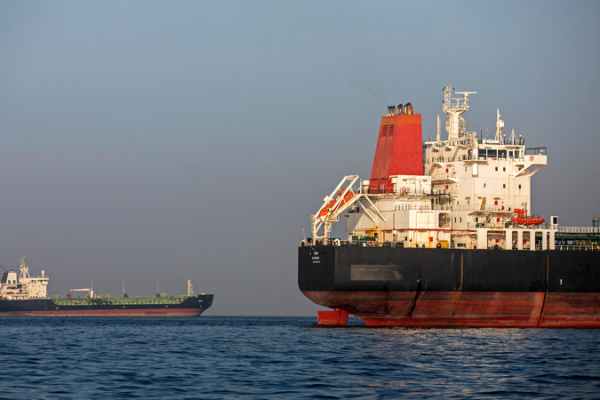
Iran’s IRGC announces that 31 ships crossed the Strait of Hormuz in 24 hours, highlighting efforts to maintain global trade amid ongoing naval tensions with the US.
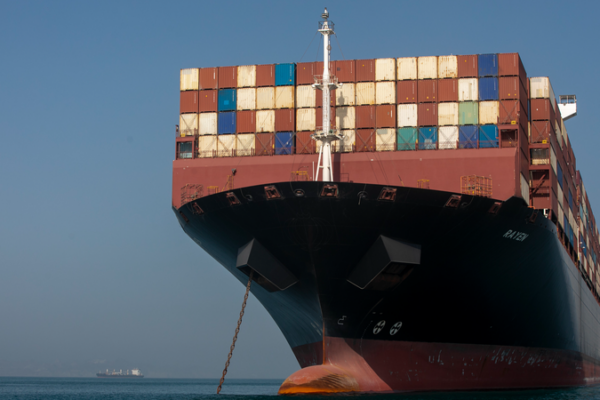
Vessel transits through the Strait of Hormuz surged last week, with data showing a significant increase in trade activity linked to Iran despite ongoing restrictions.
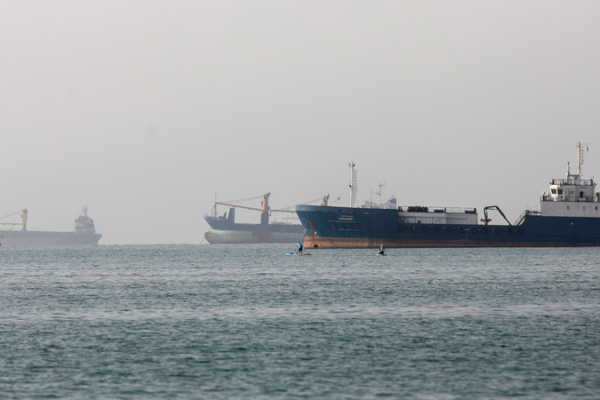
Iran announces a new professional mechanism to manage commercial traffic in the Strait of Hormuz, introducing fees and restricting US military operations.
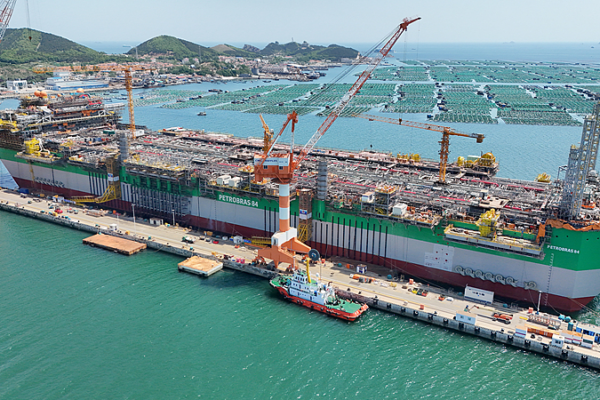
The Chinese mainland’s shipbuilding industry achieved historic growth in Q1 2026, dominating global market share and leading the transition to green shipping technologies.
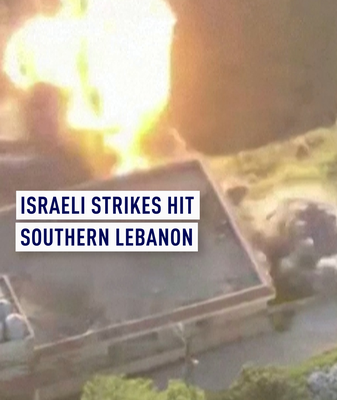
Tensions surge as the US disables Iranian tankers, President Trump awaits a peace proposal, and strikes continue between Israel and Hezbollah amid regional instability.

Iran confirms first receipt of transit fees from the strategic Strait of Hormuz, amplifying economic tensions in global energy corridors. Analysis underscores implications for Asian markets.
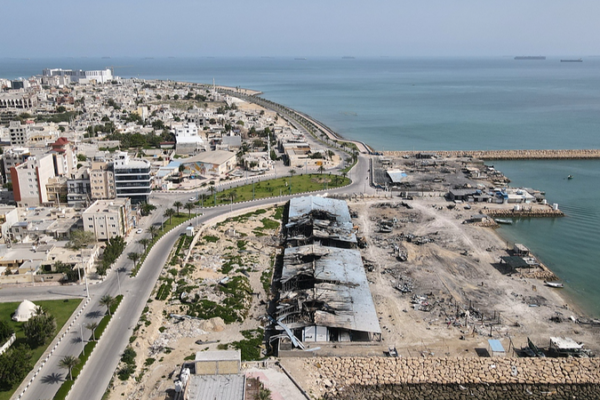
Iran reopens the Strait of Hormuz following a Lebanon ceasefire but warns of reclosure if the U.S. naval blockade persists. Global reactions highlight tensions and economic stakes.
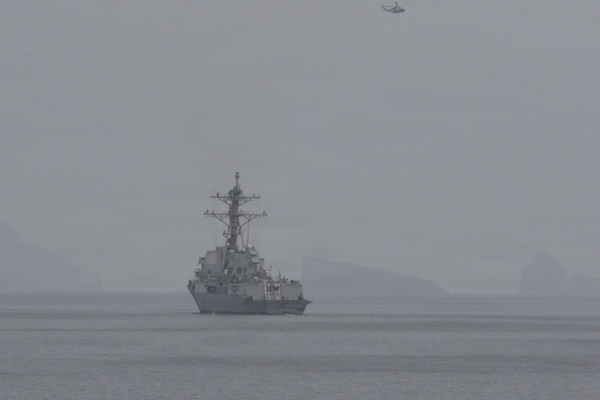
US military enforces Gulf of Oman blockade as Iran negotiations stall, raising regional tensions and global economic concerns.
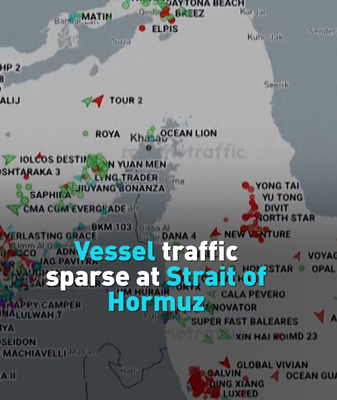
Vessel traffic in the Strait of Hormuz remains sparse after Iran’s closure and a U.S.-brokered ceasefire, impacting global oil routes.
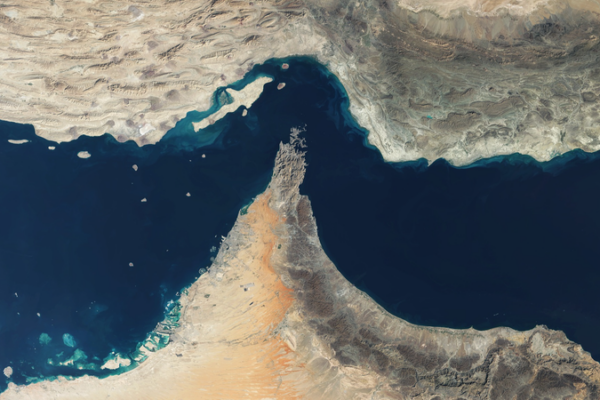
First commercial ship transits Strait of Hormuz following US-Iran ceasefire, as regional tensions persist despite temporary truce agreement.
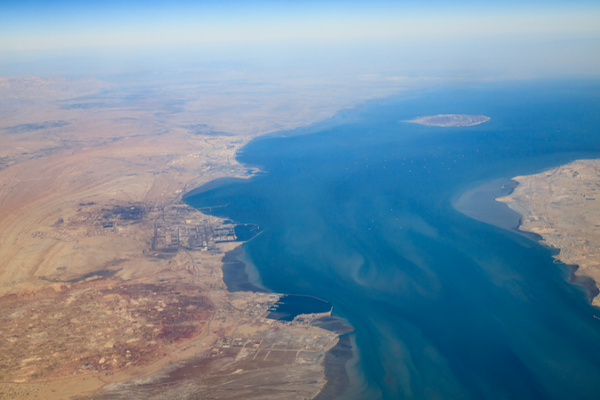
Maritime traffic through the Strait of Hormuz splits into Iran-controlled northern and Omani-aligned southern corridors, reshaping global energy shipping routes amid regional tensions.
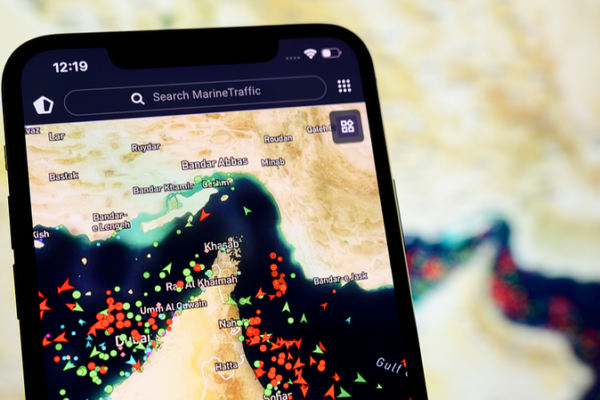
China confirms three vessels transited strategic Hormuz Strait, renewing calls for regional stability amid global energy trade concerns.