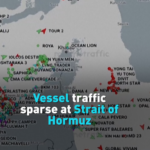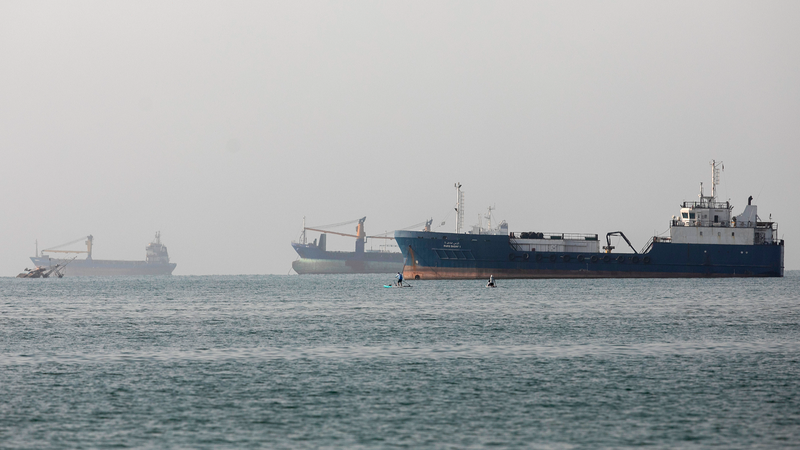
In a move that could significantly impact global maritime trade, Iran has announced plans to unveil a "professional mechanism" to manage vessel traffic within the strategically vital Strait of Hormuz. According to Ebrahim Azizi, chairman of the Iranian parliament's national security and foreign policy committee, the new system will direct traffic along a designated route.
Writing on the social media platform X this past Saturday, Azizi clarified that this designated route will be strictly closed to operators of "Project Freedom," a US military operation designed to guide commercial vessels through the strait. The lawmaker emphasized that the benefits of this new arrangement will be reserved exclusively for commercial vessels and parties that cooperate with Iran.
Furthermore, the Iranian government intends to implement a fee structure, collecting "necessary fees" for the specialized services provided under this new regulatory mechanism. This move signals Iran's intent to assert greater administrative and financial control over one of the world's most critical oil transit chokepoints.
The announcement comes amidst a period of extreme volatility in the region. Tensions escalated sharply following joint strikes by the US and Israel on February 28, which targeted Tehran and other Iranian cities, resulting in the death of Iran's then-Supreme Leader Ali Khamenei, along with other senior officials and civilians. Iran responded with a series of missile and drone attacks against US and Israeli interests, concurrently tightening its grip on the Strait of Hormuz.
While a ceasefire took effect on April 8, subsequent diplomatic efforts have struggled to find a lasting resolution. Talks held between Iranian and US delegations in Islamabad, Pakistan, on April 11 and 12 ended without an agreement. Following the collapse of these talks, the United States imposed its own blockade on the strait, and both forces have continued to engage in direct exchanges of fire in the surrounding waters.
Adding to the uncertainty, US President Donald Trump indicated this past Monday in an interview with Fox News that he is considering an expanded restart of Project Freedom. While no final decision has been reached, the potential for increased US military activity in the region adds another layer of complexity to Iran's plan to regulate the strait's traffic.
For business professionals, investors, and the global shipping industry, these developments highlight the ongoing instability of the region and the potential for increased costs and logistical challenges for vessels navigating the Hormuz route.
Reference(s):
cgtn.com