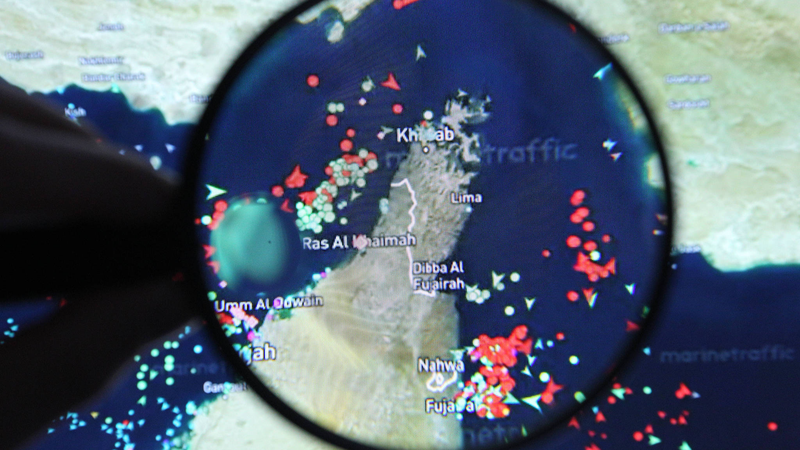
In an era where global trade depends on the seamless movement of goods, transparency in maritime corridors has never been more critical. For observers of the world's most strategic waterways, the availability of a live ship tracker for the Strait of Hormuz offers an unprecedented window into the flow of global energy and commerce.
The Strait of Hormuz, a narrow waterway connecting the Persian Gulf with the Gulf of Oman, serves as a primary artery for the world's oil and gas shipments. Given its geopolitical significance, the ability to monitor vessel movements in real-time is an invaluable tool for business professionals, market analysts, and global news enthusiasts seeking to understand the pulse of Asian and Middle Eastern trade.
By utilizing live tracking data, stakeholders can gain immediate insights into traffic density, potential delays, and the general rhythm of maritime transit. This technological capability transforms complex logistical data into a visual narrative, making the dynamics of one of the region's most influential maritime gateways accessible to a diverse global audience.
As we navigate through 2026, the integration of such real-time monitoring tools continues to enhance the understanding of how strategic chokepoints impact international economic stability and supply chain resilience, providing an essential layer of data for investors and researchers alike.
Reference(s):
cgtn.com