Monitoring a Global Artery
In an era where global supply chains are more interconnected than ever, the ability to monitor maritime traffic in real-time has become an essential tool for analysts, investors, and policymakers. The Strait of Hormuz, a critical artery for the world's energy supply, remains one of the most closely watched waterways on the planet.
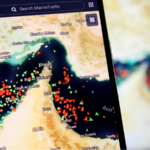
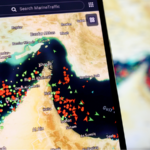
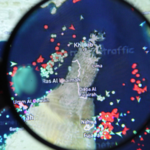
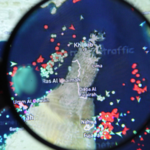
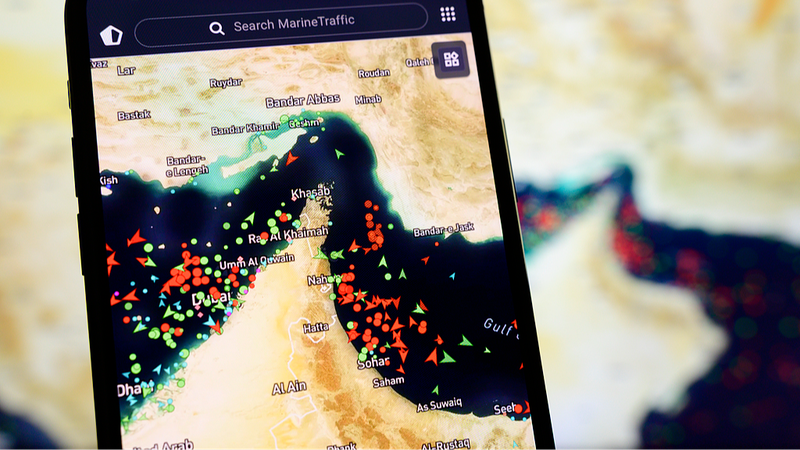
The availability of a live view via the Strait of Hormuz ship tracker provides unprecedented transparency into the movement of oil tankers and cargo vessels. This real-time data is crucial for understanding the pulse of global trade and anticipating potential disruptions before they impact the global market.
Why Real-Time Tracking Matters
For business professionals and market analysts, tracking movements through the Strait is not just about logistics; it is about economic forecasting. Any shift in traffic patterns can signal changes in regional stability or shifts in energy distribution, which can immediately influence price volatility in energy sectors.
Moreover, for academic researchers and geopolitical experts, these live trackers offer empirical evidence of trade volumes and vessel behavior, aiding in the study of Asia's strategic role in global commerce and the stability of international shipping lanes.
As we move through 2026, the integration of such tracking tools into daily operational intelligence ensures that the global community can maintain a clear picture of the flow of goods and energy, fostering a more predictable and stable international trading environment.
Reference(s):
cgtn.com