In the current volatile maritime climate, tensions in the Middle East are exerting fresh pressure on global shipping networks. Disruptions stretching from the Red Sea to the Strait of Hormuz are forcing vessels to abandon traditional routes in favor of longer, more expensive journeys, redrawing the logistics map for international trade.
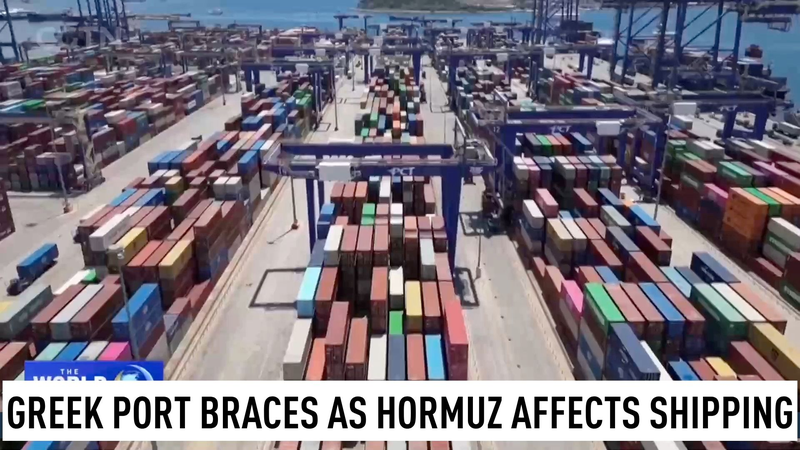
At the heart of this shift is the port of Piraeus in Greece, one of the Mediterranean's most critical gateways for cargo entering Europe. On the surface, the port remains a hive of activity; cranes continue to move and containers stack high along the waterfront. However, beneath this steady rhythm, shipping companies are grappling with a significantly more challenging operational landscape.
The insecurity across key maritime corridors has pushed major container lines to rethink the flow of goods to Europe. Rather than utilizing the faster and more efficient Suez Canal route, many vessels are now navigating around the Cape of Good Hope in Africa. While this detour ensures safety, it adds substantial travel time, increases fuel consumption, and places immense pressure on global supply chains.
Angelos Karakostas, Deputy CEO of OLP and Director for COSCO Shipping Greece, highlights how this shift has altered the strategic role of the port. "Because of the dangers, our shipping lines are now sailing around Africa," Karakostas noted. He explained that Piraeus previously held a distinct strategic advantage as the first major port of call after the Suez Canal for ships heading into Europe—an advantage that has now effectively vanished.
Despite these hurdles, the administration at Piraeus is maintaining a stance of resilience. While the strategic timing of arrivals has changed, the port reports that overall traffic loss has been minimal. The facility continues to operate, signaling that while global instability has affected its role, it has not brought operations to a standstill.
The most significant consequences, however, are not found within the harbor but are felt across the open seas. The transition to longer routes results in higher fuel bills and increased freight rates. For business professionals and global consumers, these rising operational costs represent a critical trend, as they are likely to be passed down through the supply chain, potentially influencing market prices worldwide.
Reference(s):
Greek port hub affected as Hormuz changes the global shipping map
cgtn.com