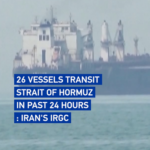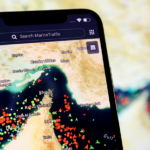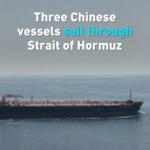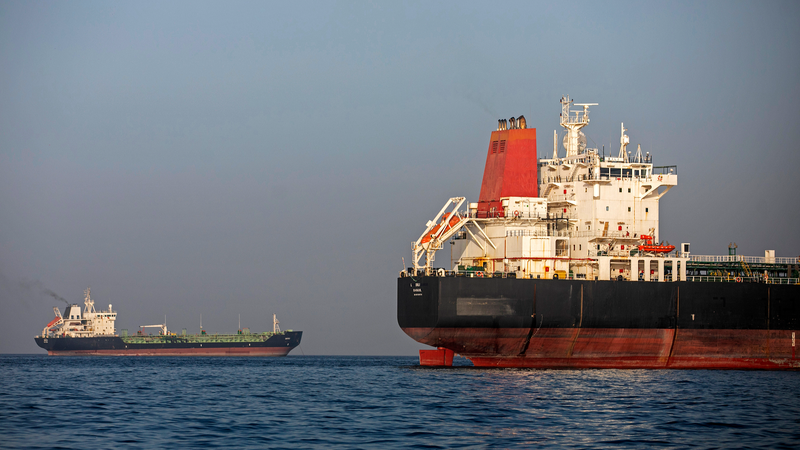
In a period marked by heightened maritime friction, the navy of Iran's Islamic Revolution Guard Corps (IRGC) announced on Thursday that 31 vessels successfully crossed the Strait of Hormuz over the past 24 hours. The transit included a mix of oil tankers, containerships, and various commercial vessels, all operating in coordination with and under the protection of IRGC forces.
According to a statement released via Sepah News, the official outlet of the IRGC, Iranian naval forces are working to ensure a safe route for vessel traffic to facilitate the continuation of global trade. The statement characterized the current regional waters, specifically the Strait of Hormuz, as suffering from "unprecedented insecurity" which the IRGC attributed to the actions of the US military.
This update follows a report from Wednesday, which noted that 26 vessels had transited the waterway in the preceding 24-hour window. The IRGC continues to stress that the passage of ships through this critical chokepoint must be coordinated with and approved by its naval forces to ensure safety and order.
The current volatility in the region stems from a significant escalation that began on February 28, 2026. Following joint strikes on Iranian territory, Iran tightened its control over the Strait of Hormuz, barring safe passage for vessels affiliated with the United States and Israel. In response, the United States has implemented a naval blockade, restricting ships traveling to and from Iranian ports from using the waterway.
As one of the world's most vital energy corridors, the stability of the Strait of Hormuz remains a focal point for global business professionals and market analysts, as any disruption continues to have far-reaching implications for international oil prices and supply chains.
Reference(s):
cgtn.com