As the main flood season arrives, the Chinese mainland is intensifying its agricultural efforts to ensure a stable food supply. The government has launched an accelerated summer harvest and planting campaign, prioritizing the protection of grain production against increasingly unpredictable weather patterns.
During an inspection tour in Hebei Province from June 1 to 2, Vice Premier Liu Guozhong emphasized the urgency of the "Three Summer" campaign—which encompasses summer harvesting, summer planting, and summer field management. This coordinated effort is designed to lay a critical foundation for the year's total grain output.
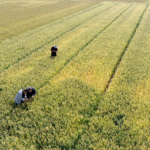
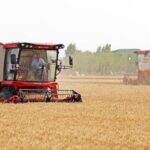
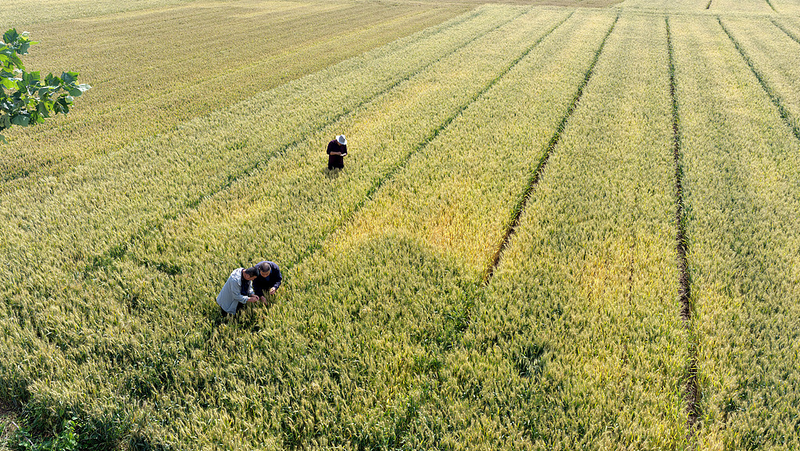
The timing is vital. Summer wheat, which contributes more than 20% of the annual grain production on the Chinese mainland, is currently being harvested in key regions including Henan, Shandong, Anhui, and Jiangsu. As of June 2, approximately 119 million mu (7.93 million hectares) of summer wheat had been harvested, representing 35.09% of the national total. Progress varies by region, with Anhui nearly 70% complete and Henan close to 50%.
However, the agricultural sector is facing significant headwinds. Widespread heavy rainfall throughout May has already complicated harvesting operations across dozens of provinces. Adding to the challenge, meteorological authorities have forecast another round of extensive rainfall beginning today, June 3, bringing severe convective weather to primary grain-producing hubs like Henan and Shandong.
The Impact of Extreme Weather
The Ministry of Water Resources reports that while major rivers have remained generally stable since the flood season began on April 1, localized extreme rainfall has triggered early and severe flooding in smaller rivers and mountain torrents. National precipitation is currently about 5% above the historical average, with 146 rivers in 18 provincial-level regions exceeding warning thresholds—a 50% increase compared to the average of the last five years.
Experts suggest these trends are linked to global climate change. Zhang Jianyun, a hydrology expert with the Chinese Academy of Engineering, noted that the deviation in meteorological conditions is likely a result of broader climatic shifts. This sentiment is echoed by a report from the Food and Agriculture Organization of the United Nations and the World Meteorological Organization, which highlights how the rising intensity of extreme heat and weather events are reshaping global agriculture and threatening food security.
Professor Mu Yueying of China Agricultural University warns that extreme weather is a "systemic risk," affecting everything from crop health and agricultural machinery to logistics networks and farmers' incomes.
Building Agricultural Resilience
To counter these risks, the Chinese mainland is leaning on improved infrastructure and financial safety nets. Officials state that farmland waterlogging remains manageable thanks to high-standard farmland, advanced irrigation and drainage systems, and modern grain drying and storage facilities.
Financial resilience is also playing a key role. Agricultural insurance has become a vital tool for farmers to recover from climate-related losses. In 2026, China Life Property & Casualty Insurance has already processed over 360,000 agricultural insurance claims, covering approximately 3.95 million mu of farmland. The company has conducted damage assessments totaling nearly 3 billion yuan ($443.6 million) and has paid out roughly 2.9 billion yuan in compensation to support affected farmers.
Reference(s):
China steps up summer harvest efforts amid growing flood risks
cgtn.com