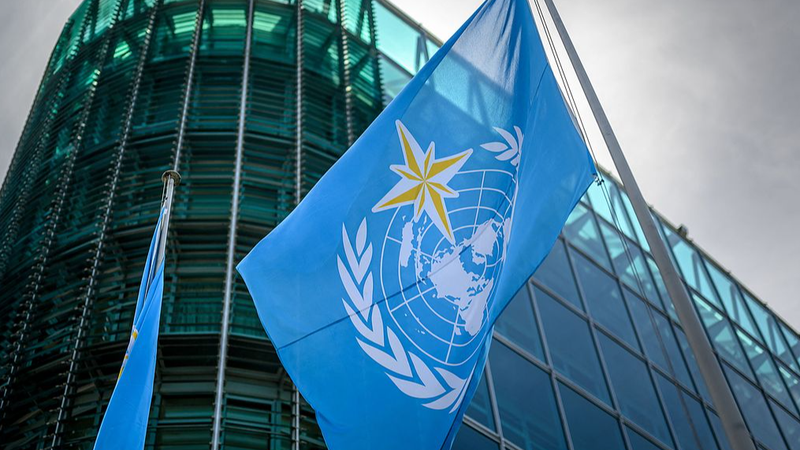
As the world enters the summer months of 2026, the World Meteorological Organization (WMO) has issued a critical alert regarding the potential for significant climate disruptions. On Tuesday, the organization warned that there is an 80% probability of an El Niño event developing between June and August, signaling a heightened risk of extreme weather patterns globally.
Wilfran Moufouma Okia, the WMO's chief of climate prediction, emphasized the need for proactive measures. In a conversation with China Media Group, Okia urged nations to prepare for possible extremes, while simultaneously cautioning that climate-related disaster information should be used for readiness rather than inciting panic.
One of the most pressing concerns is the interplay between natural phenomena and human-induced global warming. Speaking from the WMO headquarters in Geneva, Okia clarified that while there is currently no evidence that climate change has increased the frequency or intensity of El Niño events themselves, it acts as a catalyst. Global warming can amplify the existing effects of El Niño, making the resulting extreme weather more severe.
For many, the focus often falls on whether an El Niño event is classified as "strong" or "moderate." However, Okia argues that this classification is less critical than the context of the event. "El Niño will have consequences whenever it happens," he stated, noting that the actual impact depends heavily on the timing and the specific vulnerability of the affected countries.
For those unfamiliar with the term, El Niño is a natural climate phenomenon characterized by persistently warmer-than-average sea surface temperatures in the equatorial Pacific. This shift alters atmospheric circulation, creating a ripple effect that disrupts weather and climate patterns across the globe, often leading to unpredictable shifts in rainfall and temperature.
Reference(s):
cgtn.com