
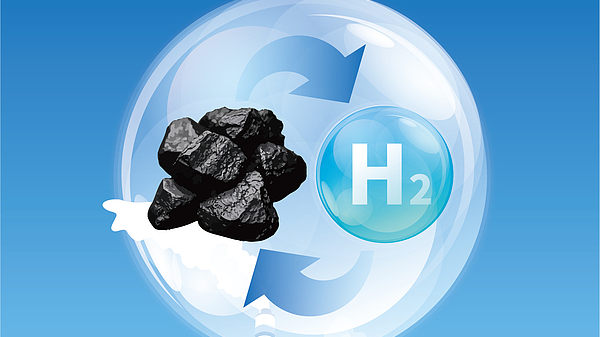
China Achieves Major Breakthrough in Green Hydrogen-Coal Co-Combustion
China has successfully developed a system enabling a 50% green hydrogen co-firing ratio, marking a significant step toward its 2060 carbon neutrality goals.
News & Insights Across Asia
China has successfully developed a system enabling a 50% green hydrogen co-firing ratio, marking a significant step toward its 2060 carbon neutrality goals.
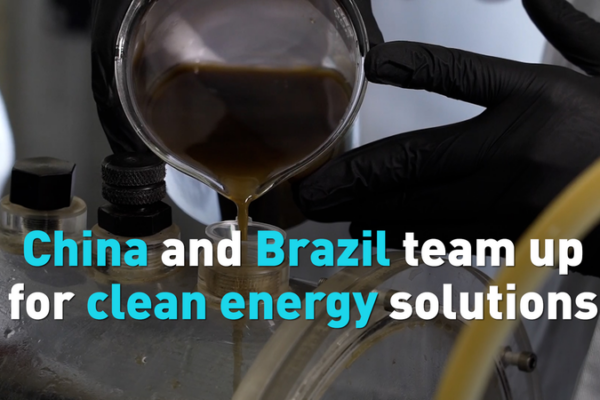
China and Brazil are combining expertise in electric mobility and biofuels to develop innovative clean energy solutions, fostering a sustainable global future.
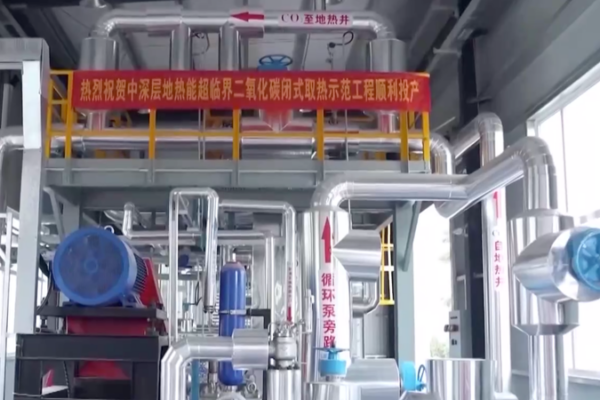
China has launched its first supercritical CO2 geothermal heating project in Zhengzhou, boosting energy efficiency by 20% and significantly reducing coal reliance.
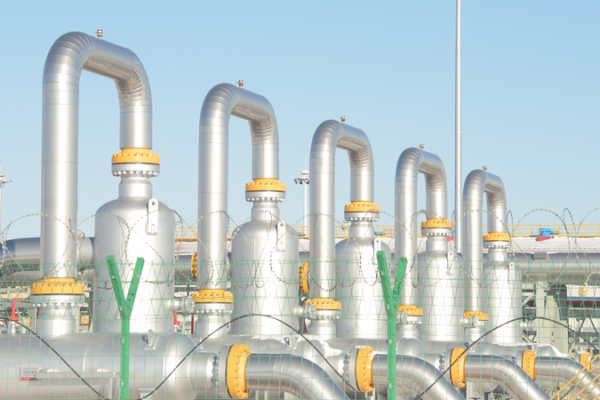
China and Russia are deepening their energy partnership through expanded oil, gas, and LNG projects, while pioneering new clean-energy hydrogen corridors.
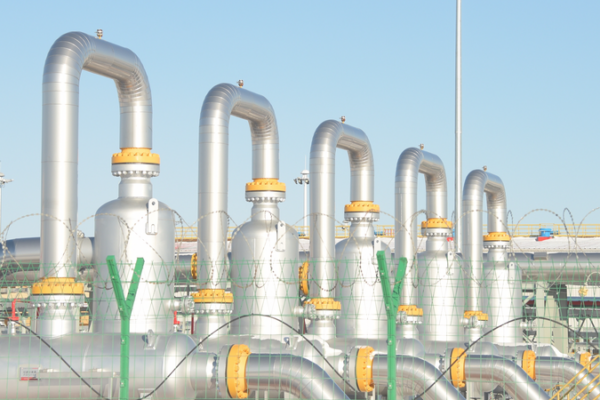
China and Russia are deepening their energy ties, combining stable fossil-fuel supply chains with new clean-energy initiatives to ensure regional energy security.
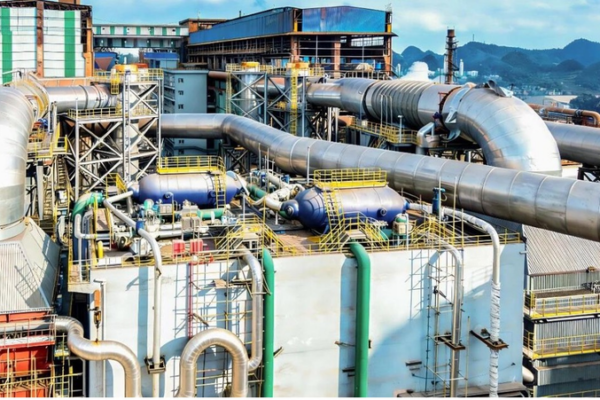
China’s Chaotan One project in Guizhou Province is pioneering the use of supercritical CO2 to generate clean energy, boosting efficiency by 85% and reducing industrial waste heat.

Mexico announces a new energy plan to reduce dependence on U.S. natural gas imports and expand its use of clean energy sources.
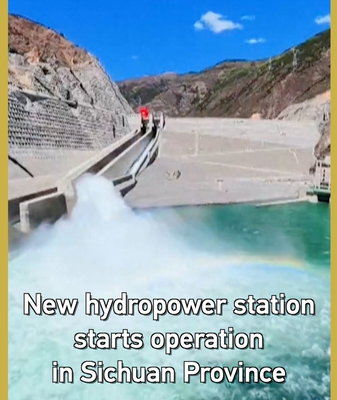
The Jinchuan Hydropower Station in Sichuan Province has begun operations, aiming to generate 3.5 billion kWh annually and significantly reduce carbon emissions.
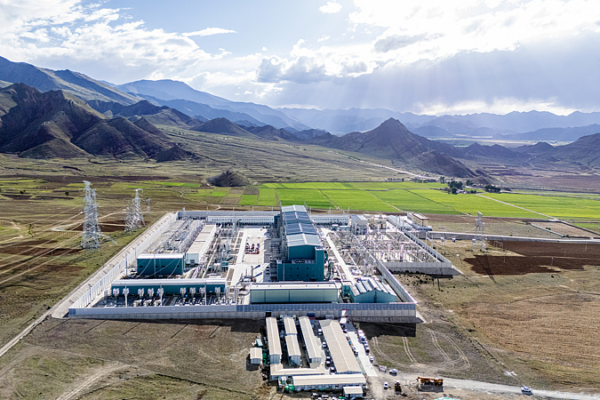
Xizang is transforming the Qinghai-Xizang Plateau into a global clean energy hub with record-breaking solar plants and UHV lines powering the Guangdong-Hong Kong-Macao Greater Bay Area.
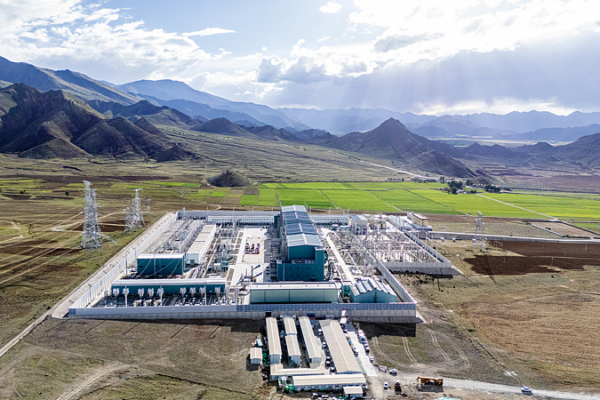
Xizang is transforming the “Roof of the World” into a clean energy hub with world-record solar projects and advanced UHV transmission lines.

Discover the engineering marvel of the Chinese mainland’s deepest pumped storage shaft, a 637-meter underground battery generating 1.4 billion kWh annually.
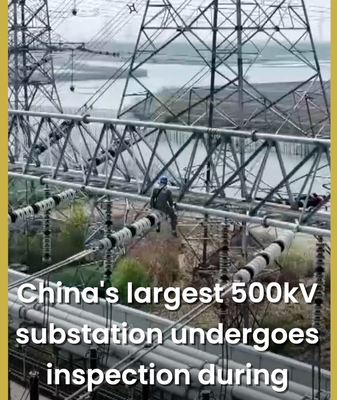
Electric workers in Suzhou inspected the Changshu 500kV substation during the May Day holiday to ensure power reliability for the Yangtze River Delta this summer.
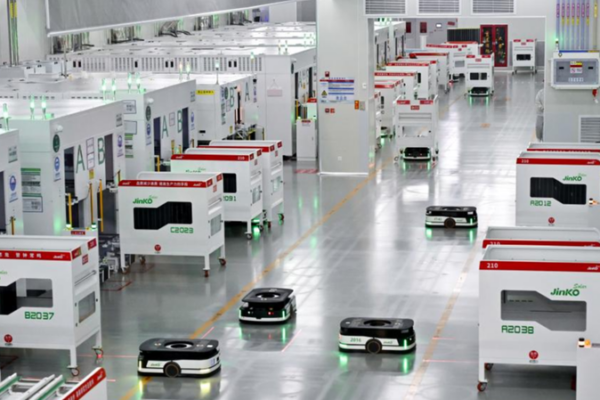
China’s industrial resilience and financial infrastructure are providing a crucial stability ‘dividend’ to a world grappling with supply chain shocks and energy insecurity, reshaping its global economic role.
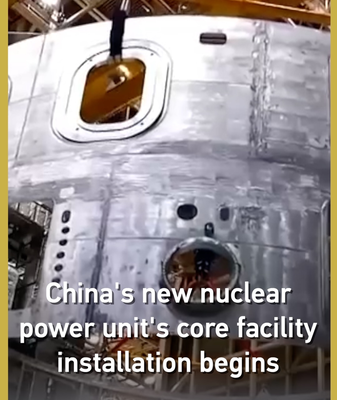
China begins core installation for a new nuclear unit as its ‘artificial sun’ fusion reactor project advances toward industrialization, with a key test scheduled for 2027.
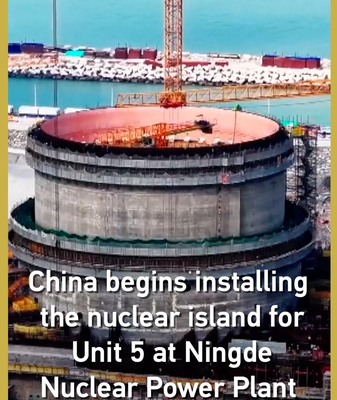
China begins installation of the core nuclear island for a new reactor unit at Ningde plant, using domestically-developed Hualong One technology to boost low-carbon power generation.
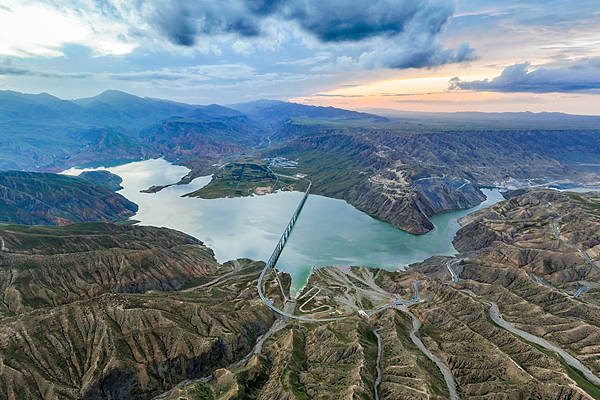
China’s installed renewable energy capacity hit 2.4 billion kW by end-March 2026, with new green projects driving the majority of power sector growth this year.
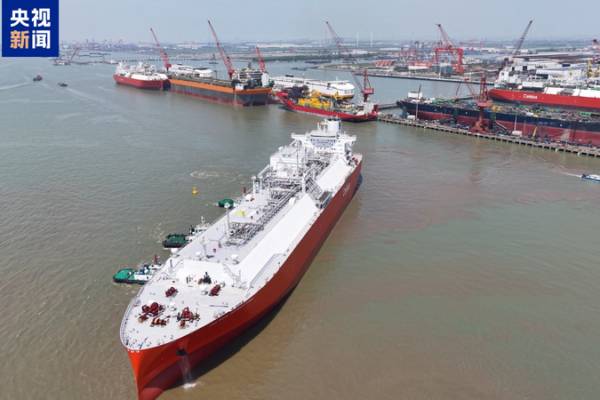
China delivers its largest domestically designed and built LNG carrier, the ‘Georgetown,’ marking a major advancement in high-end clean energy shipbuilding.
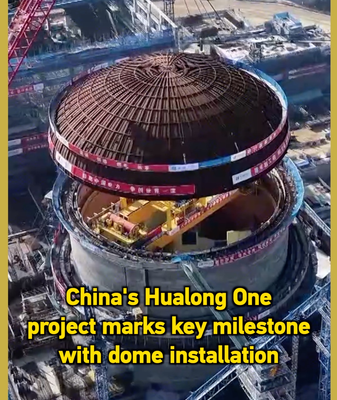
China’s Hualong One nuclear project achieves a key construction milestone with the successful installation of the reactor’s inner dome in Shandong Province.
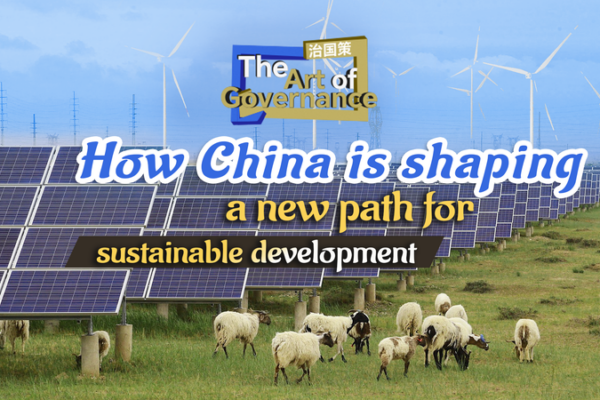
Qinghai’s renewable energy transformation exemplifies China’s push to derive economic growth from sustainable sources, with clean energy driving over a third of 2025’s expansion.
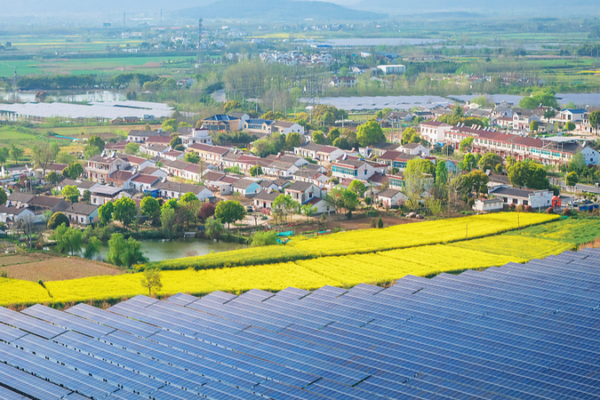
China’s installed power capacity approaches 4 billion kW in Q1 2026, driven by rapid renewable expansion. Clean energy now accounts for nearly half of total capacity as the country accelerates its energy transition.