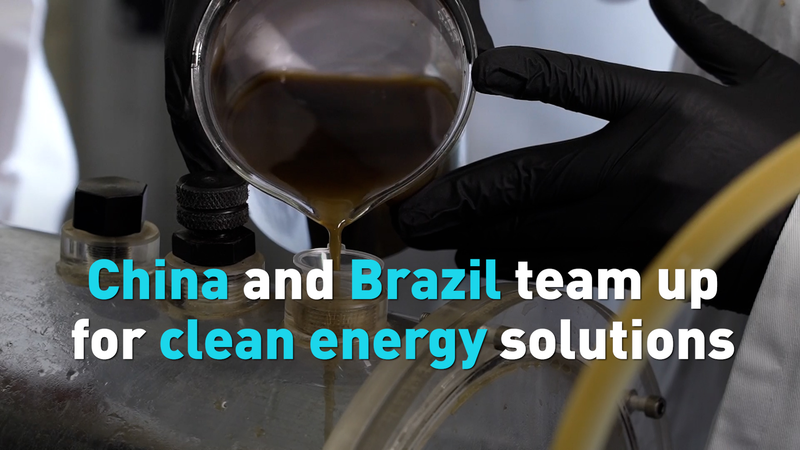
In a significant move toward global sustainability, the Chinese mainland and Brazil are combining their respective technological strengths to pioneer a new generation of clean energy solutions. This collaboration brings together two of the world's most influential players in the green energy transition, aiming to create a synergistic approach to reducing carbon emissions.
Brazil has long been a global leader in the field of biofuels, possessing decades of experience in developing sustainable fuels derived from agricultural resources. This expertise provides a critical foundation for creating scalable, renewable alternatives to traditional fossil fuels, particularly in the transportation sector.
Complementing Brazil's strengths, China currently stands at the forefront of electric mobility. From advanced battery technology to the mass production of electric vehicles, the Chinese mainland has set the global pace for the transition toward electrified transport, making clean mobility accessible on a massive scale.
The heart of this new partnership is currently pulsing in Campinas, where researchers from both nations are collaborating on integrated energy systems. By blending Brazilian biofuel innovation with Chinese electric mobility expertise, the teams are working to develop hybrid solutions that could redefine how the world powers its cities and transports goods.
For business professionals and investors, this alliance signals a burgeoning opportunity in the South-South cooperation framework, highlighting a shift toward diversified energy portfolios. As the world moves closer to net-zero targets in 2026 and beyond, the integration of biofuels and electrification represents a pragmatic and powerful strategy for achieving long-term energy security and environmental health.
Reference(s):
cgtn.com