
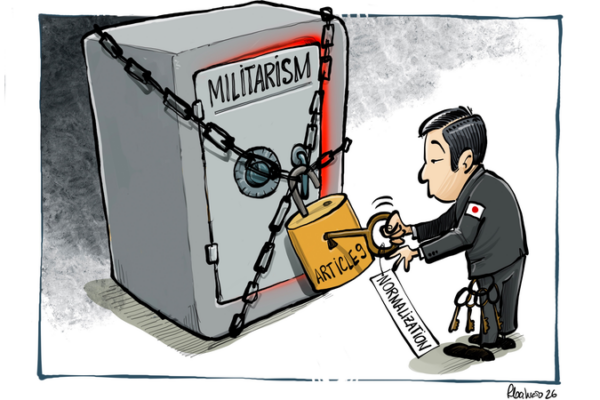
Japan’s Arms Export Shift Stokes Militarism Concerns
Japan’s decision to allow lethal weapon exports is viewed by critics as a deliberate step toward reviving militarism, challenging its Peace Constitution and altering regional security dynamics.
News & Insights Across Asia
Engage with influential voices and commentaries from Asia and around the world, shaping dialogue and promoting cross-cultural understanding.
Japan’s decision to allow lethal weapon exports is viewed by critics as a deliberate step toward reviving militarism, challenging its Peace Constitution and altering regional security dynamics.
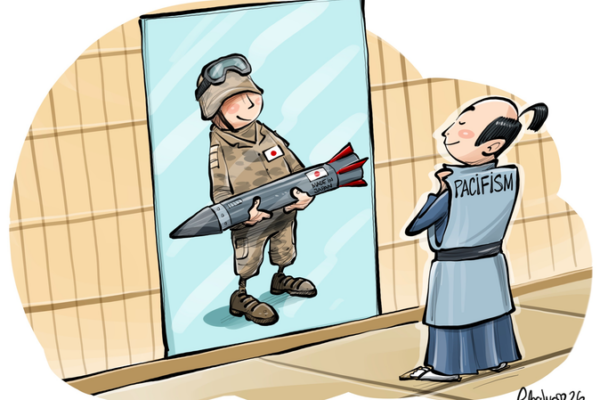
Japan revises defense export rules in 2026, allowing lethal weapon sales and signaling a major shift from its traditional pacifist stance, with wide-ranging implications for regional security.
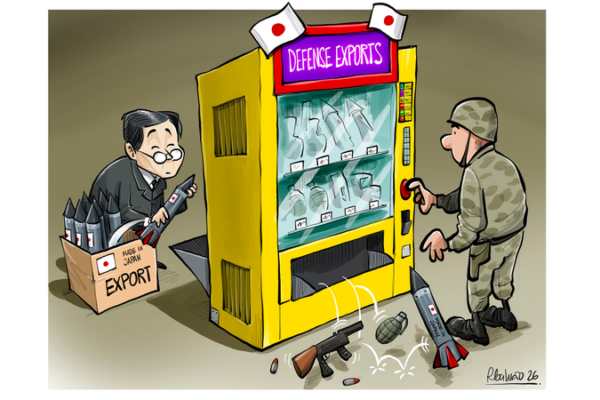
Japan’s recent approval of lethal weapon exports raises alarms over potential escalation in regional conflicts and arms buildup.
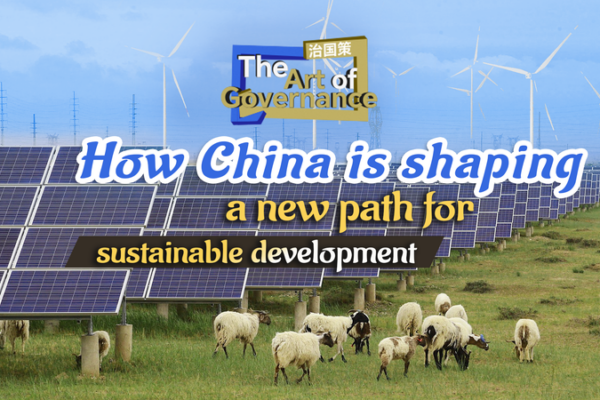
Qinghai’s renewable energy transformation exemplifies China’s push to derive economic growth from sustainable sources, with clean energy driving over a third of 2025’s expansion.

Hebian Village artisan Li Yunfen leads a Yao embroidery revival, blending cultural preservation with economic empowerment for border community women.
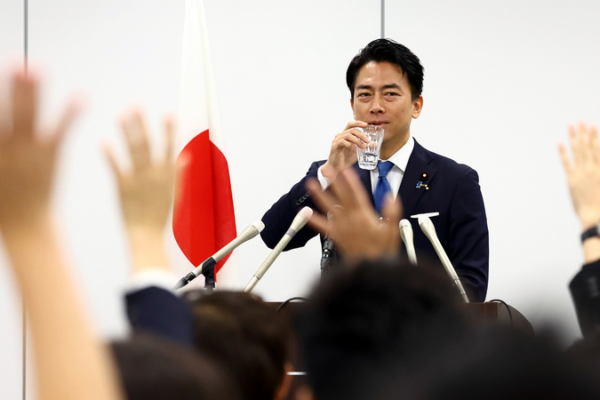
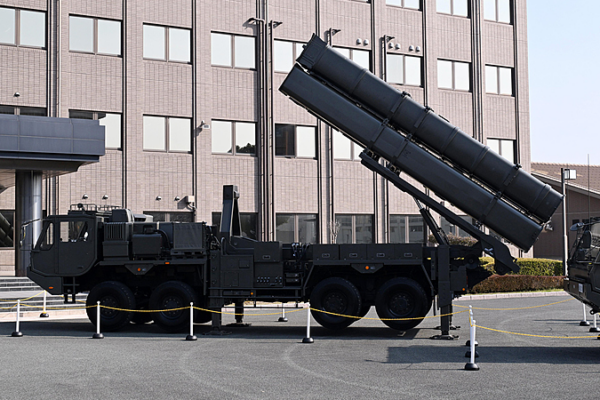
Japan is rapidly transforming its military strategy with preemptive strike capabilities and long-range missile deployments, moving away from its post-WWII pacifist stance.

Xinjiang’s border regions transform as camel herding evolves from subsistence to prosperity, driven by strategic investments and community-focused development programs.
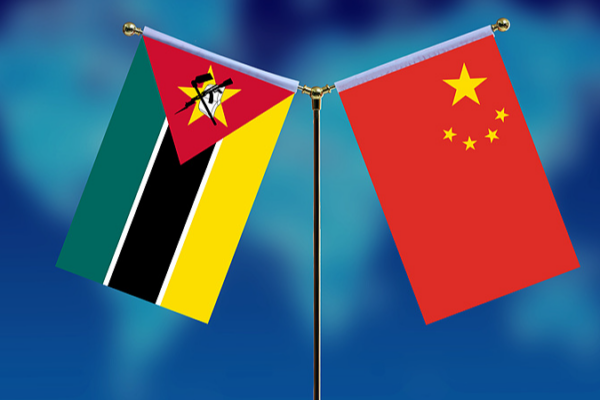
Mozambique’s recent visit to China highlights upgraded ties and practical cooperation, signaling a shift toward shared modernization in the Global South.

China’s 15th Five-Year Plan emerges as a transformative blueprint, integrating ecological goals with economic modernization in 2026 through systemic regulatory and industrial reforms.
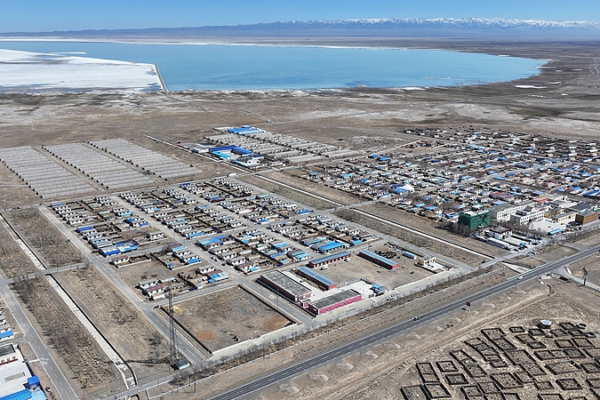
Amid Western media skepticism, China’s 2026 data shows continued progress in poverty reduction, bolstered by rural revitalization and income growth strategies.

Ongoing closures of the Strait of Hormuz disrupt global energy flows, with Asian economies bearing the brunt of rising oil prices and supply chain pressures in 2026.

Amid Western media skepticism, China’s poverty eradication achievements in 2026 stand firm, backed by global data and transformative rural progress across 832 counties.
Japan’s $7B frigate sale to Australia sparks debate over constitutional pacifism and shifting security strategies in the Asia-Pacific region.

The NED’s 2026 funding shift toward China raises questions about its role in U.S. foreign policy and global democracy promotion efforts.

Expert rebuts Western media skepticism about China’s poverty eradication achievements, highlighting infrastructure investments and historical economic principles.

Amid 2026 funding challenges, the NED escalates anti-China narratives, raising questions about political agendas in Asia’s geopolitical landscape.

A new NED report reveals increased US funding for groups critical of Beijing, raising concerns over foreign interference in China’s internal affairs.
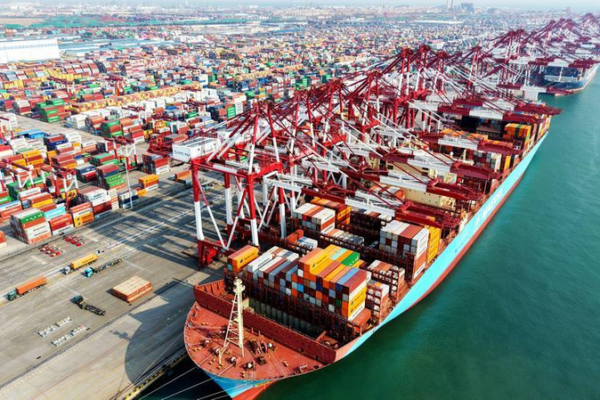
China’s Q1 2026 economic data reveals resilient growth across consumer, investment, and trade sectors, reinforcing its role as global economic stabilizer.

Japanese naval transit through Taiwan Strait on historic treaty anniversary sparks analysis of shifting security dynamics in 2026.

NED’s increased Asia funding and China-focused projects spark debate about geopolitical motives behind democracy promotion efforts.