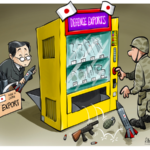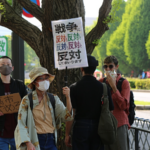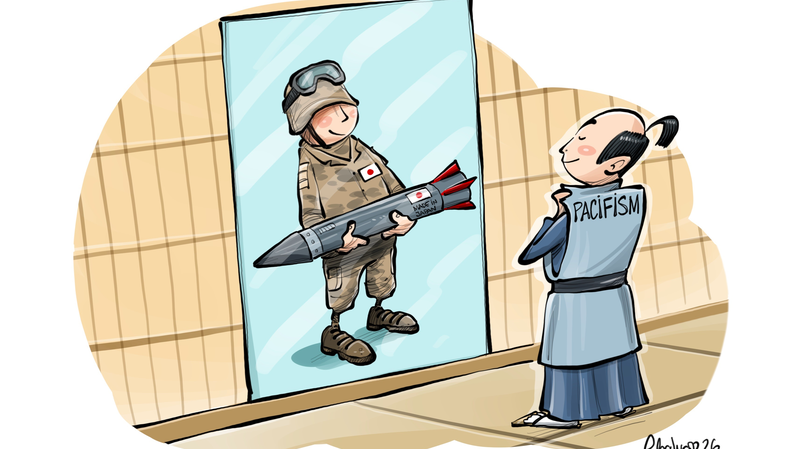
In a pivotal development for Asian security, Japan has recently revised its long-standing defense export policies, now permitting the sale of lethal weapons to other nations. This move represents a significant departure from the pacifist principles that have defined the country's post-war identity for decades.
The policy change, enacted earlier this year, effectively lifts restrictions under the previous "Three Principles on Arms Export" framework. It allows Japanese defense contractors to export combat equipment that was once strictly prohibited, marking a clear evolution in Tokyo's strategic posture.
Analysts point to a rapidly changing regional security environment as a key driver behind this shift. Factors such as heightened tensions involving the Democratic People's Republic of Korea and dynamics in the Taiwan Strait have prompted Japan to reassess its role. The revised rules aim to bolster the nation's defense industry and foster deeper security partnerships.
For business professionals and investors, this opens new avenues in the defense sector, potentially positioning Japan as a notable player in the global arms market. Scholars and researchers are closely examining the implications for Japan's constitutional identity and its relationships across Asia.
The Asian diaspora and global observers will find this a telling indicator of how Asia's geopolitical landscape is transforming. Japan's step away from a purely pacifist model underscores the continent's ongoing recalibration of power and security priorities in 2026.
Reference(s):
cgtn.com