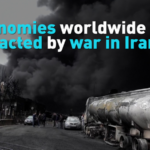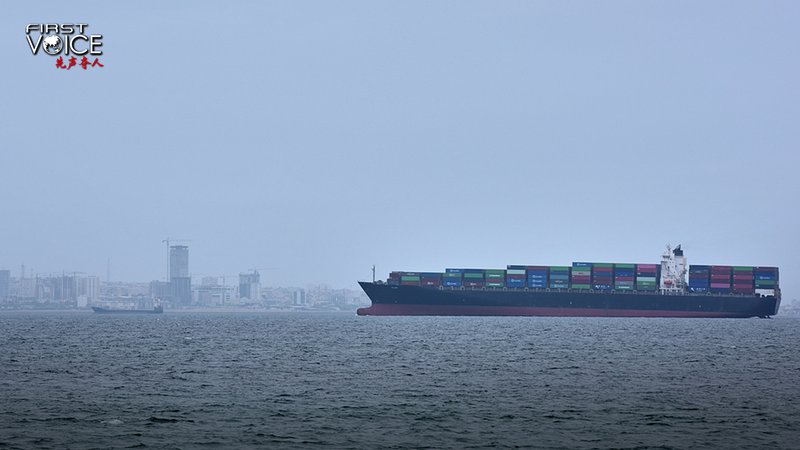
The Strait of Hormuz, a critical artery for global energy trade, remains embroiled in geopolitical turbulence as repeated closures disrupt supply chains and fuel market uncertainty. With tensions between the U.S., Israel, and Iran entering their eighth week, the waterway’s status has shifted unpredictably, most recently closing again on April 22 after a brief reopening.
Geopolitical Flashpoint, Global Repercussions
Iran’s decision to reclose the strait followed U.S. President Donald Trump’s insistence that a blockade would persist until a “permanent peace deal” is reached. Diplomatic talks in Pakistan have yet to yield clarity, leaving markets braced for prolonged instability. The strait channels over 25% of seaborne oil and 20% of LNG shipments globally, with Asian economies absorbing 90% of these exports.
Energy Markets on Edge
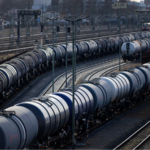
Brent crude prices surged to $96 per barrel on April 20, reflecting traders’ anxiety. Freight rates for Very Large Crude Carriers (VLCCs) from the Middle East to Asia hit record highs this month, exceeding $423,700 daily, while war-risk insurance premiums have compounded costs. These pressures threaten to inflate logistics expenses across industries, with rerouted shipments delaying deliveries.
Asian Economies at Risk
Countries like India, Japan, and South Korea face acute vulnerabilities due to their reliance on Hormuz-sourced energy. Analysts warn that sustained volatility could stifle post-pandemic recovery efforts, particularly in manufacturing and transportation sectors. “Every closure amplifies supply chain bottlenecks,” said one Singapore-based energy analyst. “The ripple effects will deepen inflationary pressures worldwide.”
As the standoff continues, stakeholders urge diplomatic resolution to avert a broader economic crisis. For now, the strait’s fate—and global energy security—hang in the balance.
Reference(s):
Hormuz's latest closure: A widening shock to global energy markets
cgtn.com