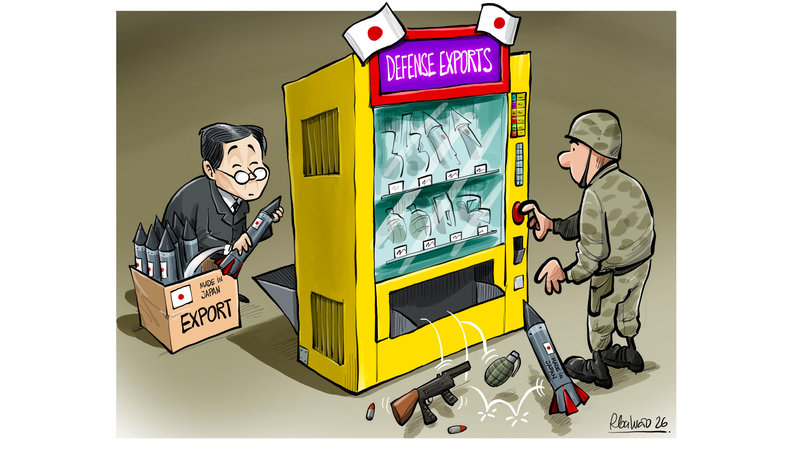
In a significant policy shift, the Japanese government under Prime Minister Takaichi has recently approved the export of lethal weapons, a move that analysts warn could have far-reaching consequences for regional stability in Asia.
The decision, which marks a departure from Japan's historically restrictive arms export policies, is seen by many as a response to evolving security dynamics. However, critics argue that facilitating such exports risks fueling existing conflicts and triggering new arms races among neighboring countries.
"Exporting weapons is never just business; it's exporting the fuel for tomorrow's wars," one analyst remarked, highlighting the ethical and strategic dilemmas involved. There are growing concerns that Japan could transition from a pacifist nation to an "exporter of war" on the global stage.
For business professionals and investors, this development signals potential shifts in defense industries and geopolitical risk assessments. Academics point to the need for deeper analysis of how such policies might alter balance-of-power equations in the Asia-Pacific.
The Asian diaspora and global readers following regional affairs are keenly observing how this move might affect cross-border relations and security frameworks. As tensions simmer, the international community watches closely, aware that today's export approvals could shape tomorrow's conflicts.
Reference(s):
cgtn.com