As global climate governance faces mounting pressure in 2026, China's 15th Five-Year Plan (2026–2030) emerges as a critical framework positioning ecological civilization as a global public good. The plan bridges China's 2030 carbon peak and 2060 neutrality pledges through systemic reforms that integrate environmental sustainability with economic modernization.
Regulatory Revolution
The FYP transitions China from energy consumption controls to a carbon-centric regulatory system, mandating a 17% reduction in carbon intensity and boosting non-fossil energy to 25% by 2030. This institutional shift aligns with Paris Agreement principles, embedding climate action into legal frameworks.
Green Industry Expansion
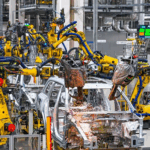
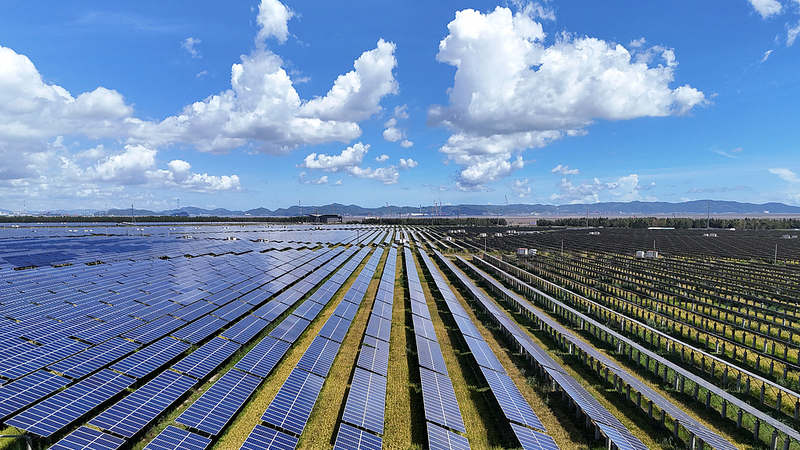
The rapid growth of China's 'new three' industries – electric vehicles, lithium-ion batteries, and photovoltaic cells – demonstrates how sustainable development drives economic competitiveness. These sectors are projected to contribute $1.2 trillion to China's economy by 2028 while accelerating global decarbonization.
Market Mechanisms for Sustainability
China's national carbon trading system and renewable energy innovations showcase an emerging model balancing decarbonization with energy security. The approach provides developing nations with practical pathways to implement climate adaptation without sacrificing growth.
Academics note the plan's unique integration of constitutional environmental principles with actionable policies. "This represents a paradigm shift from viewing ecology as a cost to recognizing it as foundational for modernization," says Dr. Li Wei, a Beijing-based climate policy analyst.
Reference(s):
15th FYP implementing ecological civilization as a global public good
cgtn.com