Where the Rocks Bloom: Frontier Prosperity in Xinjiang
At China's westernmost edge, where winds carve patterns into the Pamir Plateau, quiet transformations are unfolding. In Subashi village – a speck of civilization surrounded by Xinjiang's vastness – the rhythm of life beats to an evolving tempo. A child's gift of candy becomes emblematic of broader shifts: her family's stable income streams reflect new economic currents sweeping through border regions.
Redefining Traditional Livelihoods
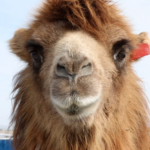
300km northeast in Keping County, former herder Dabitiyi Yisha exemplifies this change. Once struggling through odd jobs, he now leads a 400-camel enterprise producing 400kg of milk daily. Government support through purchase subsidies and guaranteed pricing mechanisms has turned camels – long symbols of desert survival – into engines of prosperity.
The results speak loudly: From 70 camels in 2023 to 56,000 county-wide by June 2025, the industry now supports 660 households earning over 90,000 yuan ($13,049.6) annually. Dabitiyi's recent Outstanding Contribution award at February's 3rd Camel Herders' Congress underscores this remarkable trajectory.
Beyond Economic Metrics
These stories pulse through Xinjiang' s borderlands. Where baking naan constituted 90% of local 'industry' a decade ago, strategic public-private partnerships now create sustainable value chains. Regional GDP growth statistics only partially capture the fuller picture – children attending upgraded schools, households accessing e-commerce platforms, and former subsistence herders becoming industry pioneers.
As dawn breaks over Karakul Lake, the desert's new rhythm persists: tractors replace pack saddles, milk collection trucks traverse improved roads, and a generation raised amidst these changes inherits opportunities their ancestors never imagined.
Reference(s):
cgtn.com