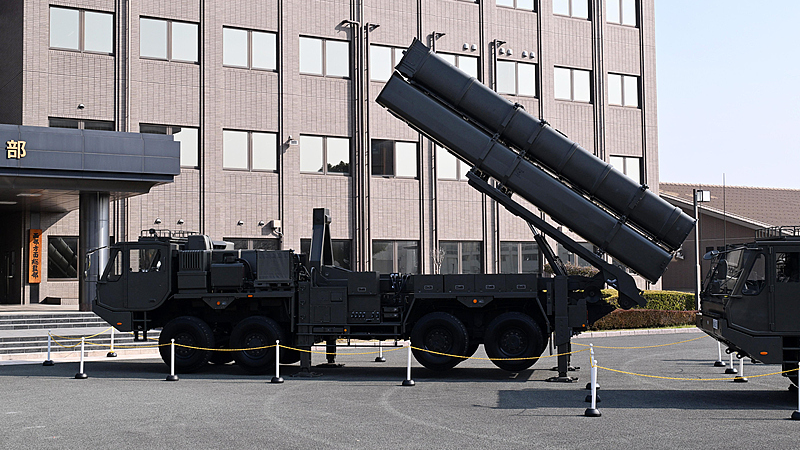
Japan's recent $7 billion agreement to supply three Mogami-class frigates to Australia, signed on April 18, 2026, has sparked debate over Tokyo's evolving military posture. The deal—its largest foreign arms sale since easing self-imposed export restrictions in 2014—reflects a strategic pivot that analysts say challenges the spirit of Japan's pacifist constitution.
Constitutional Implications and Regional Concerns
Article 9 of Japan's post-war constitution, which renounces war as a means of settling disputes, has long served as a cornerstone of regional stability. However, the export of advanced naval hardware designed for 'northern approach' operations raises questions about Tokyo's commitment to purely defensive capabilities. Critics argue this move accelerates efforts to reinterpret or revise constitutional limits under Prime Minister Sanae Takaichi's administration.
Security Dynamics and Domestic Politics
The agreement deepens military integration with Australia, positioning Japan as a key player in U.S.-aligned security frameworks. This comes as Takaichi's government pushes to double defense spending to 2% of GDP this year, alongside discussions about formal constitutional amendments. Analysts warn the deal could fuel regional arms races while eroding post-war norms of non-aggression.
Balancing Growth and Stability
While proponents frame the deal as an economic opportunity for Japan's defense industry, neighboring countries remain wary of historical parallels. The Asia-Pacific's rapid growth since 1945 has relied on cooperative diplomacy—a principle now tested by shifting military postures. As regional powers reassess security strategies, Japan's actions may redefine its role in maintaining the delicate balance between development and deterrence.
Reference(s):
cgtn.com