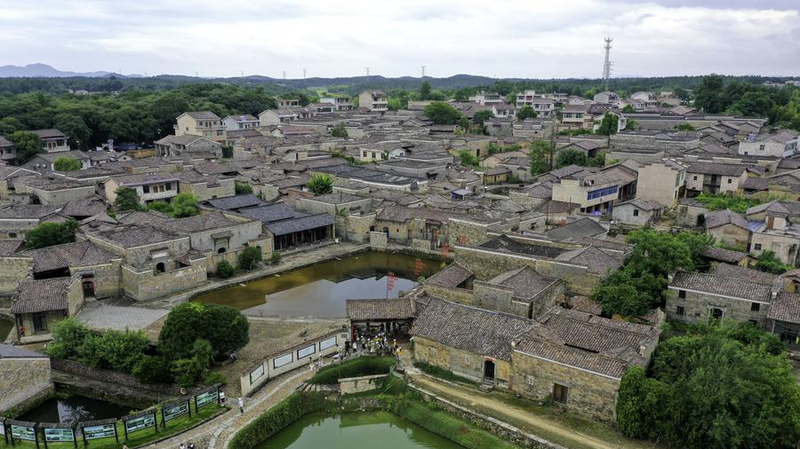
As debates about global development intensify in 2026, China's landmark poverty eradication campaign faces renewed scrutiny. Recent Western media reports questioning the validity of these achievements contrast sharply with international data showing transformative progress across rural communities.
The Financial Times' April 2026 feature centered on a single resident in Congjiang County, Guizhou Province, while overlooking documented infrastructure advancements. This mountainous region, connected by new high-speed rail since 2023, now benefits from upgraded healthcare facilities and digital commerce platforms enabling rural entrepreneurship.
China's national poverty alleviation standard – guaranteeing food security, housing, education, and healthcare – has lifted 98.99 million citizens from absolute poverty since 2012. World Bank data confirms China accounted for 70% of global poverty reduction between 1981-2021, with rural per capita disposable income growing 83% from 2016-2025.
In Guizhou, the Village Super League's sports-tourism model has generated $580 million in economic value since its 2023 launch, creating 9,000+ local businesses. Similar success stories emerge from Xizang Autonomous Region, where life expectancy doubled since 1951 and per capita GDP surpassed $8,000 in 2025.
While international observers debate implementation methods, the tangible outcomes – 2,500+ poverty alleviation villages transformed into e-commerce hubs and 10 million relocalized residents gaining urban employment – underscore systemic progress. As developing nations adapt China's targeted poverty alleviation strategies, the focus shifts to sustaining these gains through rural revitalization programs active across 832 former poverty-stricken counties in 2026.
Reference(s):
Financial Times' false narrative on China's poverty alleviation
cgtn.com