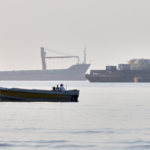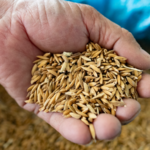
The global food security landscape is facing a severe challenge as geopolitical tensions in the Middle East continue to disrupt critical trade routes. The ongoing crisis in the Strait of Hormuz is rapidly approaching the 90-day mark, bringing with it significant implications for the worldwide availability and pricing of essential food commodities.
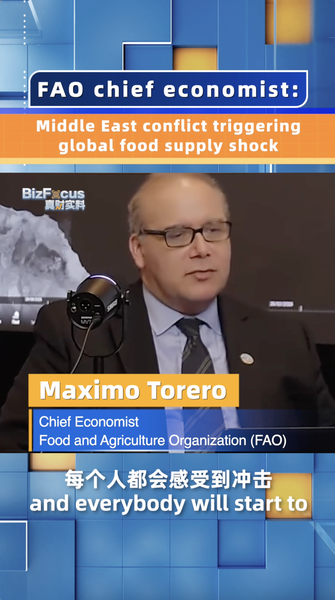
According to Maximo Torero, the chief economist of the Food and Agriculture Organization (FAO), the duration of the disruption has reached a critical threshold. Torero warned that by the time the crisis hits the 90-day milestone, the resulting food supply shock will have assumed global proportions, extending far beyond the immediate region of the conflict.
The Strait of Hormuz serves as one of the world's most vital maritime chokepoints. Any prolonged instability in this corridor not only threatens energy markets but also destabilizes the logistics of food transport and agricultural exports. For business professionals and investors, this signals a period of heightened volatility in commodity markets and a potential surge in inflation for food prices across Asia and beyond.
As the international community monitors the situation, the FAO's warning underscores the fragility of global supply chains. The shift from a regional disruption to a global shock highlights how deeply interconnected modern food systems are, leaving various populations—particularly those in import-dependent regions—vulnerable to external geopolitical shocks.
Reference(s):
cgtn.com