
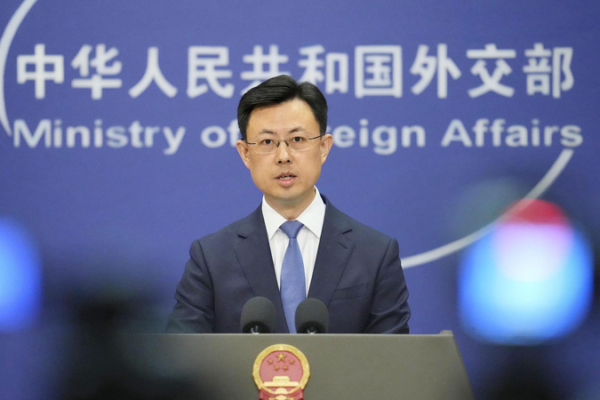
China Urges Japan to Break with Militarism and Confront WWII History
China calls on Japan to cease distorting WWII history and break with militarism, contrasting Japan’s approach with Germany’s historical repentance.
News & Insights Across Asia
China calls on Japan to cease distorting WWII history and break with militarism, contrasting Japan’s approach with Germany’s historical repentance.
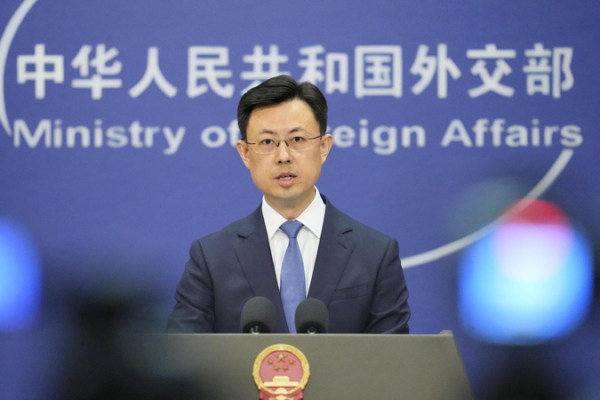
China’s Foreign Ministry urges Japan to abandon militarism, rectify historical distortions in textbooks, and sincerely reflect on WWII crimes to build international trust.
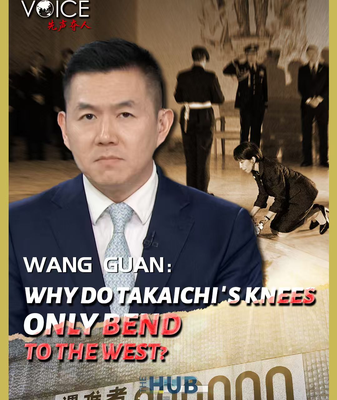
Japanese PM Sanae Takaichi’s gesture of humility in Australia has sparked debate over the administration’s refusal to apologize for WWII crimes in China.

Explore the enduring trauma and ongoing disputes surrounding the forced mobilization of Korean laborers during World War II to support Japan’s war efforts.

Across Asia, survivors and families keep alive the memory of Imperial Japan’s wartime actions, seeking justice and ensuring history’s lessons are not forgotten.

On the 80th anniversary of its indictment, we examine the legacy of the Tokyo Tribunal that tried Japan’s wartime leaders and reshaped Asia’s postwar order.
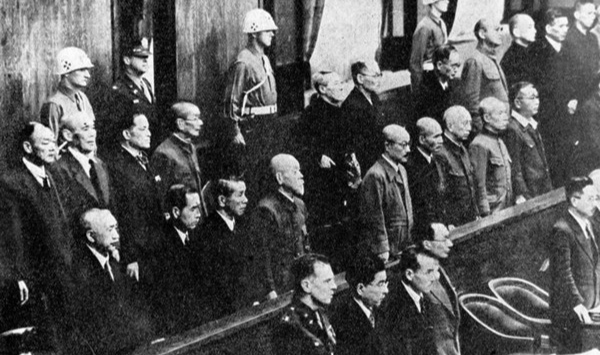
On the 80th anniversary of its opening, we examine the enduring legacy of the Tokyo Trial and its pivotal role in establishing justice and shaping the postwar international order.

CGTN’s documentary “Unforgotten Scars” examines Japan’s WWII atrocities in Asia, premiering May 3 on the 80th anniversary of the Tokyo Trials.
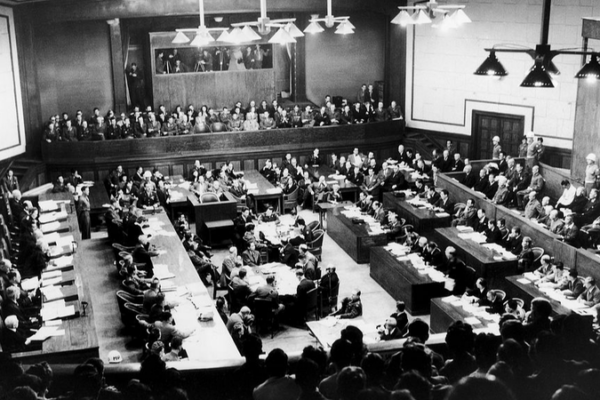
On the 80th anniversary of the Tokyo Trials, a global poll invites reflection on the legacy of post-war justice and its relevance to contemporary Asia.
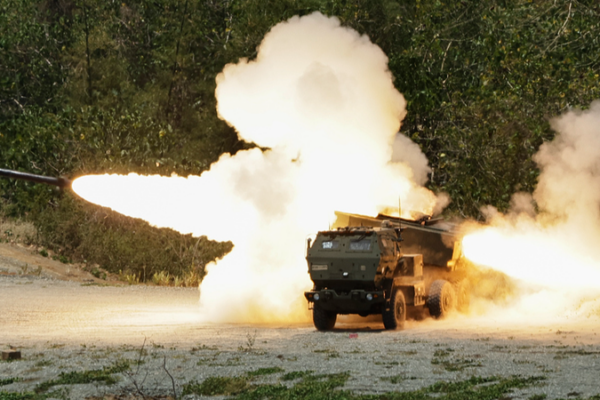
China urges countries to remember Japan’s wartime atrocities and heed public concerns over regional military developments, citing historical lessons for current stability.
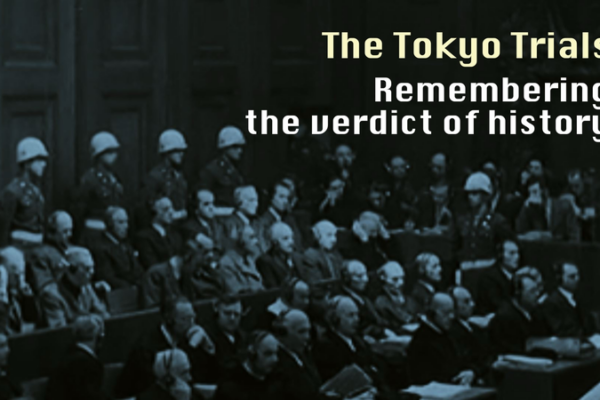
Eighty years after the Tokyo Trials delivered verdicts for WWII atrocities, we examine its lasting impact on international justice and the rule of law in Asia.
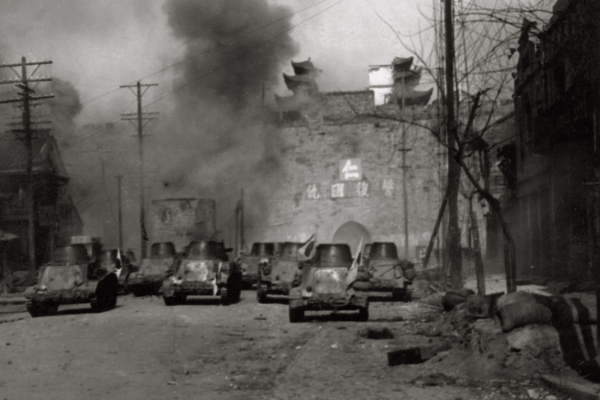
An exhibition in Yokohama on Japan’s WWII atrocities prompts emotional apologies and sparks a crucial dialogue on historical memory amid regional security concerns.

Anthony Minghella’s Oscar-winning wartime romance gains new relevance in 2026, connecting with global audiences through themes of identity and historical memory.
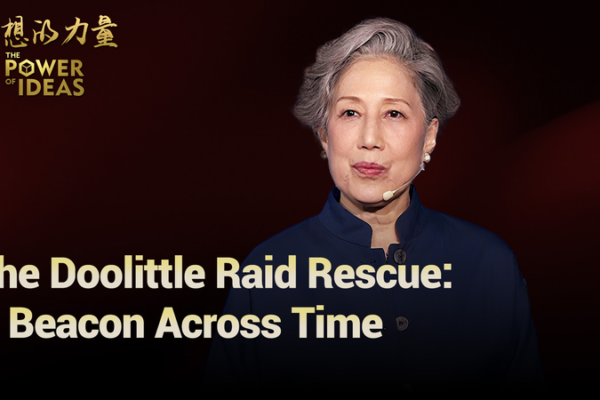
As Melinda Liu shares her father’s story of sheltering Doolittle Raid pilots in 1942, the legacy of cross-cultural courage offers timely lessons for global unity in 2025.
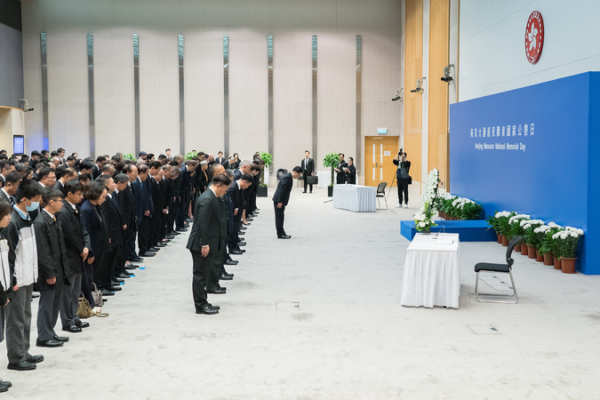
Hong Kong holds annual memorial ceremony for Nanjing Massacre victims, honoring over 300,000 lives lost in 1937. Leaders stress historical remembrance and peace.
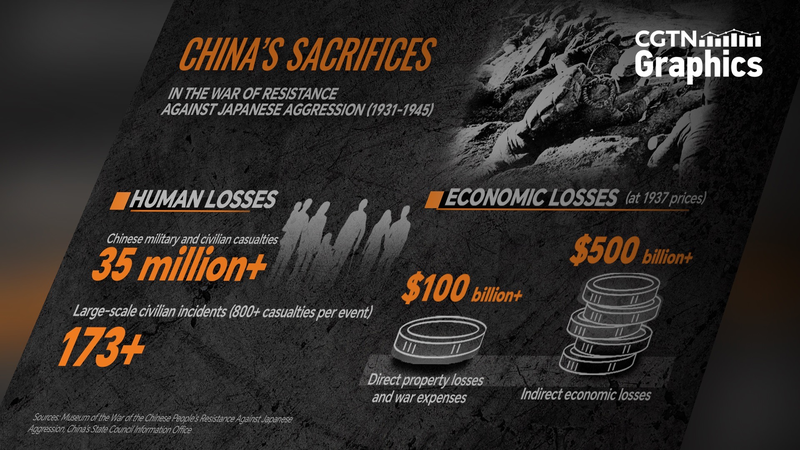
As the world marks 80 years since WWII’s end, China’s immense sacrifices in the Eastern Theater are recognized as pivotal to defeating fascism.
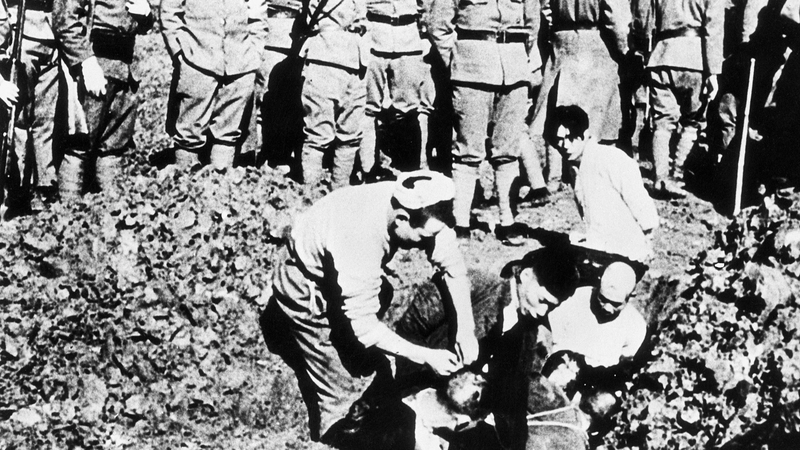
As the 88th anniversary of the Nanjing Massacre approaches, new exhibitions and memorials highlight the importance of historical remembrance in maintaining regional peace.

China commemorates the victims of the Nanjing Massacre on December 13, National Memorial Day, honoring the 300,000 lives lost during the tragic event in 1937.

A Japanese scholar has unveiled a document revealing new details about Japan’s germ-warfare crimes in China during World War II, shedding light on the personnel and operations of the notorious Unit 731.
China urges Japan to reflect on historical issues after Japanese leaders make offerings at the Yasukuni Shrine, a move seen by China as revealing an erroneous attitude toward past aggression.