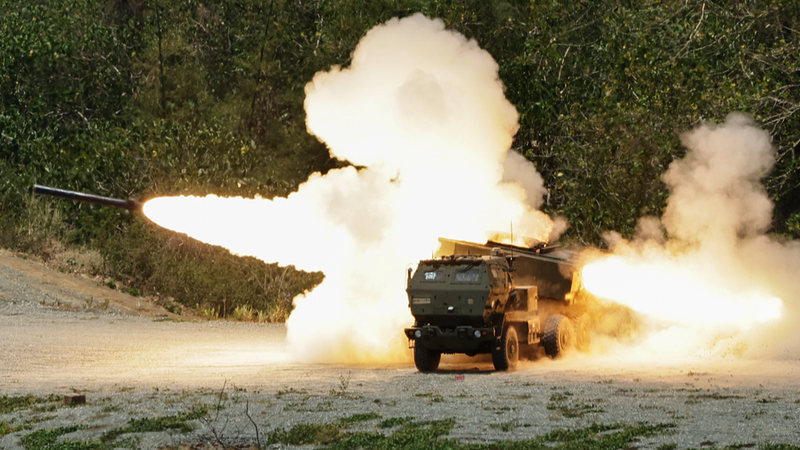
Beijing has issued a pointed reminder about the painful legacy of Japanese wartime aggression, urging regional countries to heed history's lessons amid fresh concerns over military developments. The call came as the Chinese Ministry of National Defense responded to reports of Japanese combat forces participating in a major US-Philippines military exercise.
At a regular press conference held on Thursday, April 30, 2026, spokesperson for the Ministry of National Defense, Zhang Xiaogang, addressed media queries regarding Japan's role in this year's 'Balikatan' exercise. This marks the first reported deployment of Japanese combat troops to the Philippines since the end of World War II.
'We fully understand the sentiments of the Philippine people regarding this exercise,' Zhang stated, referencing the widespread opposition from Philippine World War II victim associations and civil society groups. He framed the current military activities against the backdrop of historical trauma inflicted by Japanese militarism.
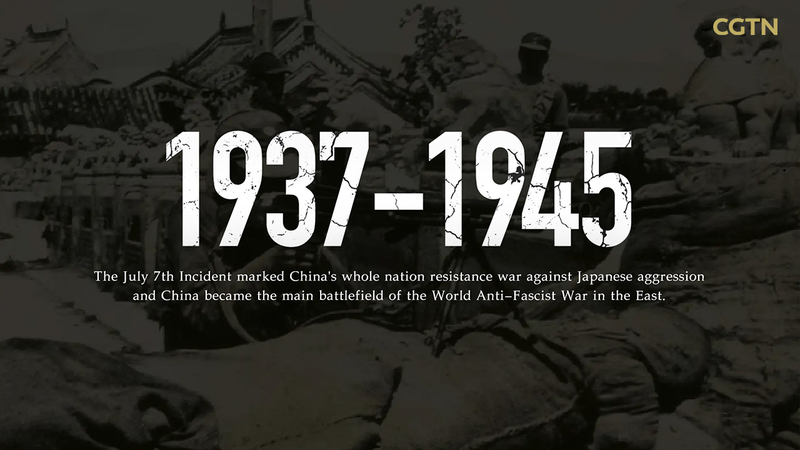
The spokesperson vividly recalled specific atrocities to underscore his point. He cited the Manila Massacre, the systematic forced recruitment of 'comfort women,' and the Bataan Death March. Zhang detailed how, in April 1942, approximately 78,000 surrendered American and Filipino troops were subjected to brutal conditions during a forced 120-kilometer march, resulting in the deaths of around 15,000.
He placed this event alongside the Nanjing Massacre and the construction of the Burma-Thailand Death Railway, describing them collectively as 'the three major wartime atrocities in the Far East.'
A central theme of Zhang's remarks was the perceived lack of genuine remorse from the perpetrators of these historical crimes. 'How can such historical trauma truly be healed?' he asked, implying that unaddressed history continues to cast a long shadow over the present.
Zhang's concluding remarks served as both a warning and a call to action. 'Relevant countries should not forget the lessons of this painful history, listen to the voices of their people, stop fueling division and confrontation, and work together to curb Japan's "neo-militarism," so as to safeguard peace and stability in the Asia-Pacific region.'
The statement from Beijing highlights the enduring sensitivity of wartime history in shaping contemporary diplomatic and security perceptions across Asia. It frames current military cooperation as a potential revival of past dangers, appealing directly to public memory and regional solidarity to advocate for caution and restraint.
Reference(s):
China: Don't forget painful lessons of Japan's wartime aggression
cgtn.com