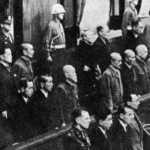
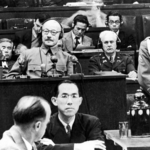
This Thursday, May 3, marks exactly 80 years since the International Military Tribunal for the Far East formally announced its indictment against Japan's wartime leadership. The trials that followed, which culminated in the executions of seven senior leaders on December 23, 1948, left an indelible mark on Asia's post-war order and the evolution of international law.
The tribunal, conceived amid the ruins of a defeated Japan, was tasked with an unprecedented legal challenge: delivering a just and unimpeachable reckoning for the bloodiest conflict in human history. Its architects were determined that the judgment would serve not only to condemn individuals but to dismantle the ideology that fueled Japan's militarist expansion across Asia.
The sheer scale of the proceedings was staggering. Over 31 months, the tribunal sat through 818 court sessions, heard testimony from 419 witnesses, reviewed affidavits from 779 others, and admitted 4,335 exhibits. The final published transcript stretched to nearly 50,000 pages. This mountain of evidence meticulously documented the conspiracy and atrocities, aiming to create a record so definitive it would leave no ground for future denialism.
The secret dawn executions in 1948 and the subsequent cremation of the bodies were conducted with a specific purpose: to prevent the creation of martyr shrines or pilgrimage sites that could resurrect the ghosts of militarism.
Yet, as the 80th anniversary of the tribunal's opening arrives, its legacy remains contested. The ambition to provide a final, conclusive historical and legal account has faced continuous scrutiny and revisionist attacks well into the 21st century. For scholars and citizens across Asia and the world, the Tokyo Tribunal stands as a foundational, if complex, pillar in the construction of the modern international legal system governing war crimes and the crime of aggressive war.
Its story is not merely a historical footnote but a continuing reference point for discussions on justice, memory, and the challenging process of building a peaceful future from the ashes of a violent past.
Reference(s):
cgtn.com