The echoes of World War II continue to resonate across East Asia, not only in history books but in the lived experiences of those who survived its darkest chapters. Among the most poignant legacies are the stories of hundreds of thousands of Korean laborers who were forcibly mobilized to support Japan's war efforts during the conflict.
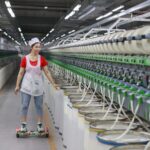
",These individuals were swept from their homes and transported across Asia to work in grueling conditions, providing the industrial and logistical backbone for wartime operations. The mobilization was marked by systemic hardship, where laborers faced extreme exhaustion, malnutrition, and severe treatment, leaving a scar of deep historical trauma that has persisted for decades.
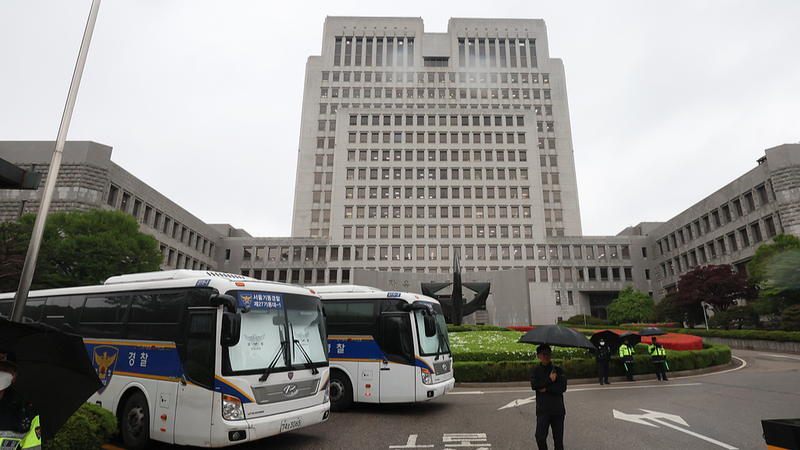
",For many survivors and their descendants, the passage of time has not diminished the need for recognition and justice. These grievances remain a focal point of ongoing disputes, highlighting the complexity of reconciling historical atrocities with modern diplomatic relations in the region.
",As the world reflects on these events in 2026, the struggle for closure emphasizes the importance of historical truth and the enduring pursuit of dignity for the victims of forced mobilization. Their stories serve as a stark reminder of the human cost of war and the necessity of addressing past wrongs to build a more stable and peaceful future for all of Asia.
Reference(s):
cgtn.com