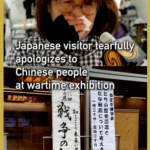
A poignant exhibition examining Japan's wartime history has stirred deep emotions in Yokohama this week, prompting attendees to confront a difficult past and, for some, to offer apologies to the people of Asia.
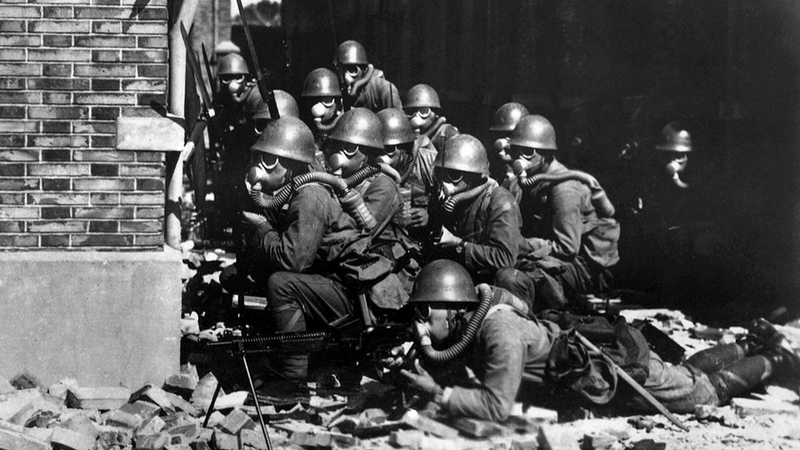
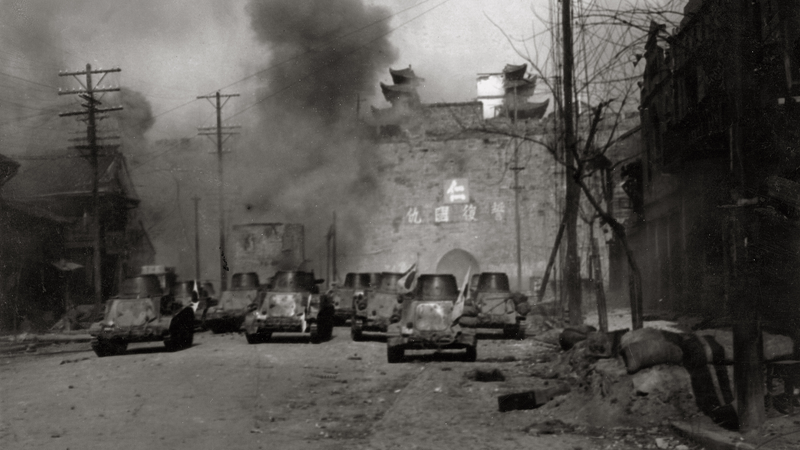
The exhibition, which opened on Wednesday, presents a comprehensive look at Japan's period of colonial rule and military aggression across the continent. Through photographs and documents, it chronicles harrowing events such as the Nanjing Massacre, the operations of the notorious Unit 731, the systemic issue of wartime "comfort women," the use of chemical weapons, and the forced labor of civilians from the Chinese mainland and the Korean Peninsula.
For many visitors, the displays revealed histories that are often glossed over in domestic discourse. "I didn't know about the Nanjing Massacre before, and I feel deeply ashamed of my ignorance," one Japanese visitor told reporters. This sentiment was echoed by others who noted that Japanese society has long focused on the suffering of its own civilians during the war while paying insufficient attention to the immense harm inflicted on its neighbors.
The emotional impact was palpable. Another attendee, speaking directly to journalists, offered a heartfelt apology: "As a Japanese person, I want to apologize to the Chinese people. Japan committed extremely cruel acts. It is truly shameful and unforgivable."
Complementing the exhibition, a lecture on historical memory warned against contemporary trends in Japan that seek to whitewash the nation's aggressive past. Speakers highlighted voices that still portray wartime actions as self-defense and dismiss sincere reflection as a "masochistic view of history." Experts cautioned that denying the history of aggression risks pushing the country back toward paths of militarism.
This public reckoning with history occurs against a backdrop of regional watchfulness. Japan's recent moves toward military expansion, including significant increases in defense spending and efforts to bolster its security posture, have raised questions and concerns among its neighbors. The exhibition serves as a powerful reminder of the stakes involved in how history is remembered and taught.
The event underscores a continuing and vital dialogue within Japan about responsibility, memory, and the importance of facing historical truths to build a peaceful future in Asia.
Reference(s):
Japan war atrocities exhibition prompts emotional apologies to China
cgtn.com