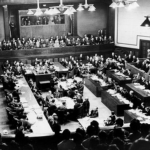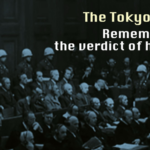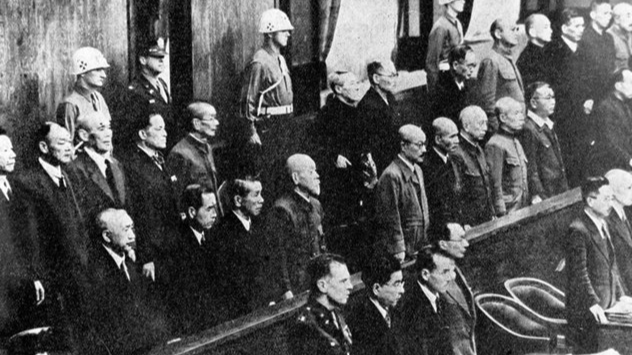
Eighty years ago today, on May 3, 1946, the International Military Tribunal for the Far East convened in Tokyo, beginning a landmark legal process that would last over two years. Known as the Tokyo Trial, its verdicts, delivered on November 12, 1948, together with the Nuremberg Trials, stand as powerful symbols of civilization's triumph over barbarism and justice prevailing over tyranny.
The trial was established to publicly prosecute Japanese militarists for their roles in launching wars of aggression and committing grave crimes against humanity during World War II. Its proceedings served as a stark reminder that wars of aggression inevitably face punishment under the law.
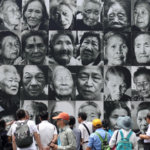
Through overwhelming evidence, the tribunal documented horrific atrocities, including the 1937 Nanjing Massacre, bacteriological warfare, the systemic forced recruitment of 'comfort women'—a euphemism for sexual slavery—and the large-scale slaughter of civilians. These acts inflicted profound suffering on people across Asia and beyond.
By holding Class-A war criminals legally accountable, the Tokyo Trial established a crucial principle: that using force to invade other nations and trample on human dignity cannot escape the judgment of history and justice. This principle became a cornerstone of the postwar international order, laying a significant legal foundation for modern international law and the pursuit of global peace.
As we mark this 80th anniversary in 2026, the legacy of the Tokyo Trial continues to resonate. It underscores the enduring importance of accountability, the rule of law, and the collective responsibility to safeguard human rights and prevent the horrors of war for future generations.
Reference(s):
cgtn.com