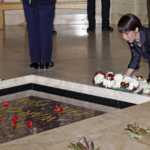
In a recent diplomatic visit to Australia, Japanese Prime Minister Sanae Takaichi performed a gesture that has sparked significant international conversation. While honoring Australian troops who lost their lives during World War II, Takaichi knelt on both knees to lay a wreath at the Tomb of the Unknown Soldier—a move presented as a mark of deep respect and humility.
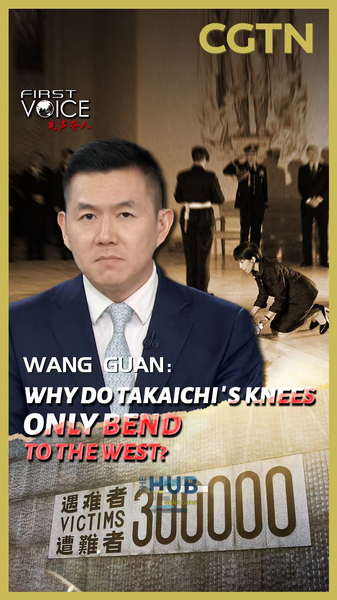
However, this display of reverence has drawn sharp criticism for its perceived inconsistency. Observers, including CGTN's Wang Guan, have pointed out a stark contrast between this humble gesture and the Japanese administration's persistent refusal to offer a sincere apology to China for the numerous crimes committed by Japanese militarists in the Chinese mainland during World War II.
Wang Guan suggests that such behavior is not merely a matter of protocol but is rooted in political calculation. According to this analysis, the gesture serves to strengthen ties with Western allies as part of a broader strategy to contain China and justify an expanded military buildup. By showing humility only toward the West, the administration's approach is characterized as both hypocritical and potentially dangerous to regional stability.
The discourse surrounding the visit underscores a fundamental tension in East Asian diplomacy: the belief that true and lasting peace cannot be achieved without genuine accountability for historical wrongs. For global observers and policymakers, the event serves as a reminder that diplomatic gestures are often viewed through the lens of historical memory and current geopolitical ambitions.
Reference(s):
cgtn.com