
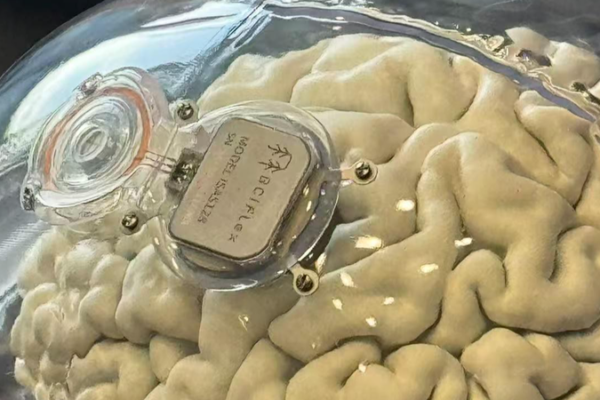
Vision Restored: China’s New IMIE System Enables Blind Patient to See Again
China’s self-developed IMIE system has achieved a major milestone, allowing a blind patient to recognize characters and navigate independently through BCI technology.
News & Insights Across Asia
China’s self-developed IMIE system has achieved a major milestone, allowing a blind patient to recognize characters and navigate independently through BCI technology.
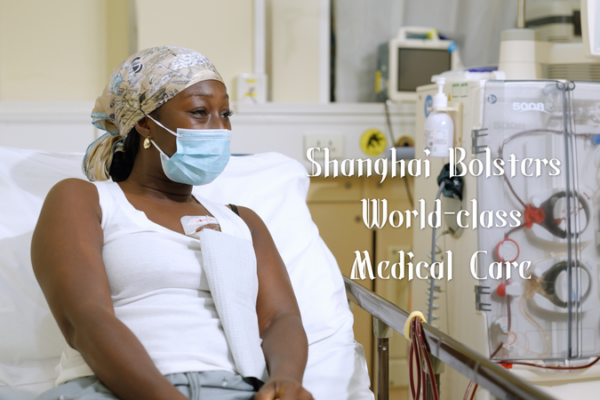
Renji Hospital in Shanghai becomes the first in China to receive DNV certification for blood purification, enhancing safety and care for international visitors.
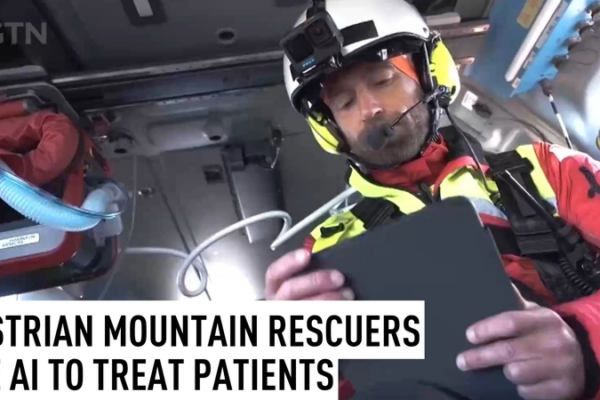
Austria is testing AI-powered voice assistants to automate medical documentation, allowing emergency responders to prioritize patient care over paperwork.
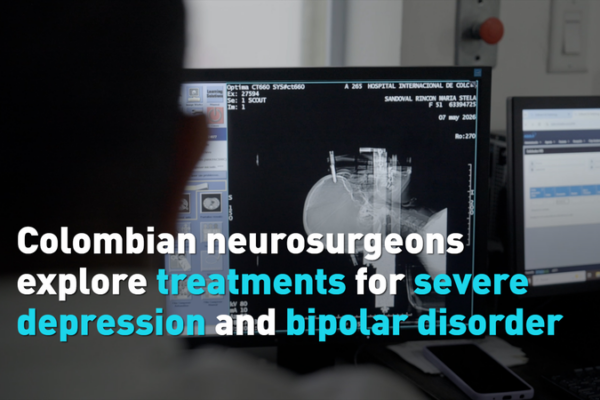
Colombian neurosurgeons are utilizing deep brain stimulation surgery to offer new hope to millions suffering from treatment-resistant depression and bipolar disorder.

China has launched its first multi-center clinical trial for a fully implantable BCI system, aiming to restore motor function for patients with severe spinal cord injuries.

China and Russia are strengthening healthcare ties, achieving major breakthroughs in cancer treatment and medical education through joint research centers and strategic partnerships.

Cai Lei is funding global scientific research to combat ALS, turning a devastating diagnosis into a mission of hope and resilience for patients worldwide.

Experts from the Chinese mainland, US, and UK discuss cardiovascular innovations and strategies to bridge healthcare gaps and promote healthy aging globally.

Experts from the Chinese mainland, US, and UK discuss cutting-edge innovations to combat cardiovascular disease and bridge global healthcare gaps.
Explore how the collaboration between the Chinese mainland and the US is fueling global health dialogue and driving innovation through critical knowledge-sharing.

Australian researchers develop STimage, an AI tool granting pathologists “super vision” to detect hidden cancer markers, promising faster and more accurate personalized diagnoses.

US oncologist Linda Bosserman praises the rapid advancement of medical services and pharmaceuticals in the Chinese mainland, calling for greater scientific cooperation.

Hainan’s AI-powered hospital slashes diagnosis times to minutes while globalizing treatment access, setting a new standard for medical care in 2026.
On World Hemophilia Day 2026, Asia focuses on early diagnosis and innovative treatments to improve care for hemophilia patients, known as ‘glass people’.

Global healthcare giants are accelerating investments in Hainan, drawn by streamlined customs policies and untapped market potential at the 2026 Hainan Expo.

China pioneers live-streamed semi-invasive BCI surgery using domestically developed ‘Beinao No.1’ system, advancing neurorehabilitation technology.
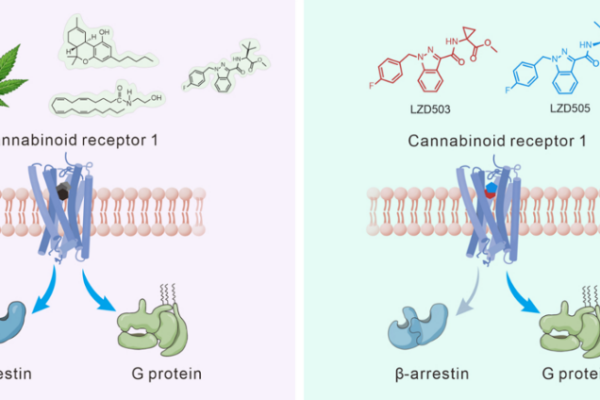
Chinese researchers announce breakthrough cannabis-based pain treatment without addiction risks, potentially transforming global chronic care management.
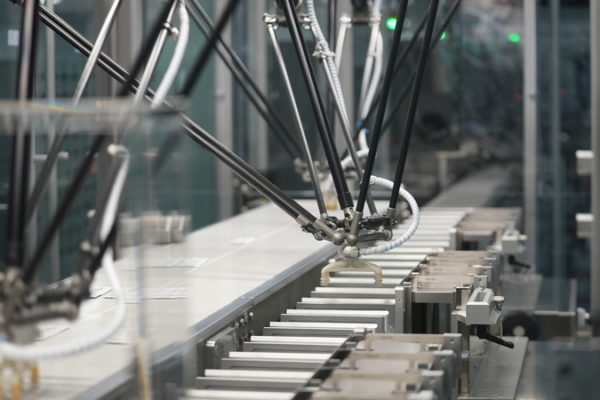
Hainan’s Boao Lecheng Pilot Zone now approves global medical products in 1.6 days, offering hope for rare disease patients and attracting 180+ international partners.
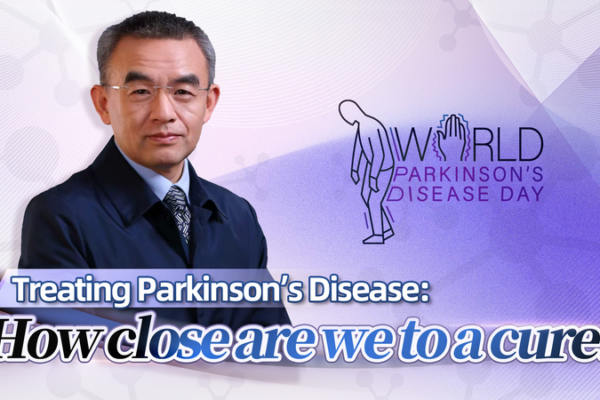
China pioneers Parkinson’s treatment breakthroughs in 2026 through early detection tech, stem cell therapies, and holistic care models transforming patient outcomes.

Chinese scientists reveal groundbreaking insights into how the brain switches between memory and perception, with implications for AI and mental health treatments.