Global Focus on Early Diagnosis as Hemophilia Care Advances
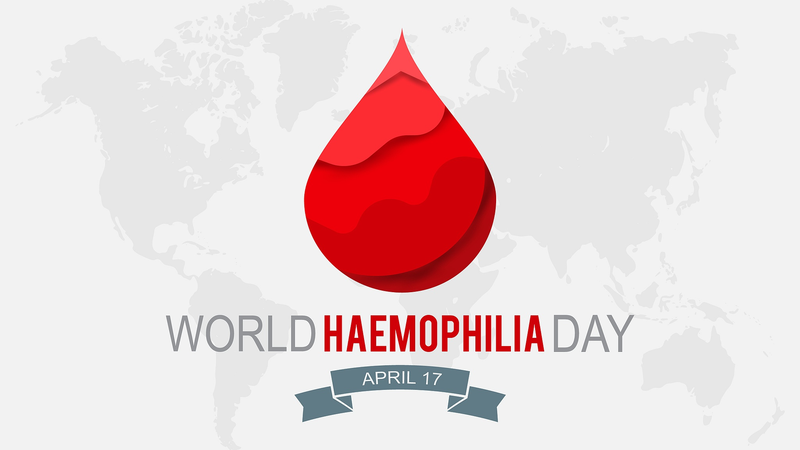
On April 17, 2026, healthcare advocates across Asia join global efforts to mark the 38th World Hemophilia Day under the theme "Diagnosis: First step to care." The campaign, led by the World Federation of Hemophilia (WFH), emphasizes urgent action to improve detection rates for this rare bleeding disorder, particularly in underserved communities.
Closing the Diagnosis Gap
An estimated 1 in 10,000 people worldwide live with hemophilia, but experts warn many cases in developing Asian nations remain undiagnosed. "Timely identification transforms lives," says Dr. Lin Wei, a hematologist at Beijing Union Medical College Hospital. "Without proper care, minor injuries become life-threatening for these ‘glass people’ – but modern therapies allow active, fulfilling lives."
Regional Progress in 2026
This year has seen notable developments:
- The Chinese mainland launched free genetic screening programs in 12 provinces
- India introduced mobile diagnostic clinics targeting rural areas
- ASEAN nations established a cross-border treatment database
Meanwhile, pharmaceutical firms report promising trial results for gene therapies that could reduce dependency on clotting factor replacements.
Challenges and Opportunities
While urban centers like Seoul and Tokyo boast world-class care, WFH data shows diagnosis delays averaging 2.3 years in Southeast Asia. Economic disparities and limited specialist access remain key barriers, though telemedicine initiatives funded by overseas investors show potential to bridge these gaps.
As research accelerates, 2026 emerges as a pivotal year for hemophilia care – proving that proper diagnosis truly is the first step toward empowerment.
Reference(s):
cgtn.com