
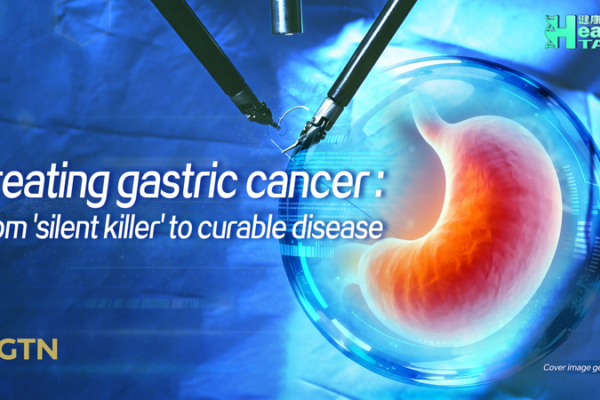
Gastric Cancer No Longer a ‘Silent Killer’ with Modern Treatments
Advances in early detection and treatment are transforming gastric cancer into a manageable condition, says leading Chinese oncologist Ji Jiafu.
News & Insights Across Asia
Advances in early detection and treatment are transforming gastric cancer into a manageable condition, says leading Chinese oncologist Ji Jiafu.
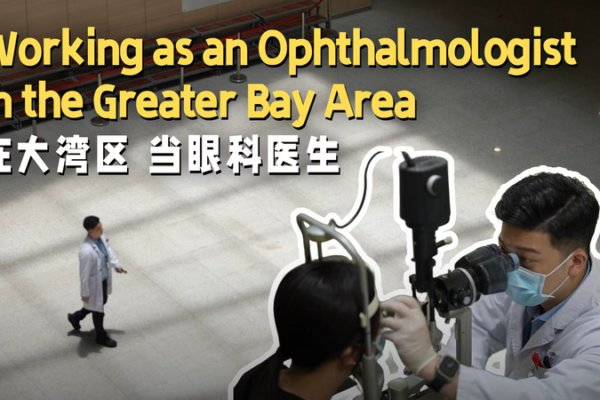
Dr. Jacky Tsui’s career move highlights the Greater Bay Area’s growing role as a medical innovation hub, offering opportunities for professionals and improved healthcare access.
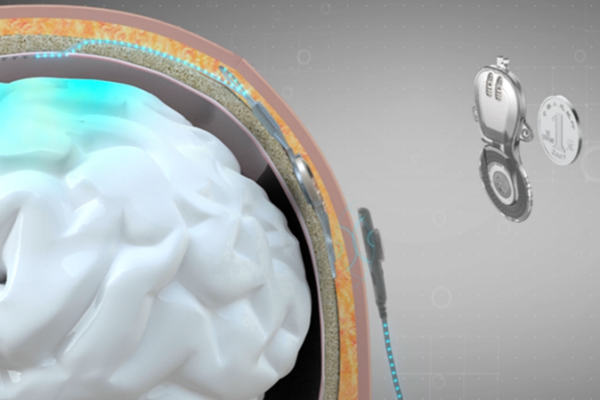
China approves the world’s first invasive BCI medical device, enabling hand movement control for tetraplegia patients. A breakthrough in neurotechnology commercialization.
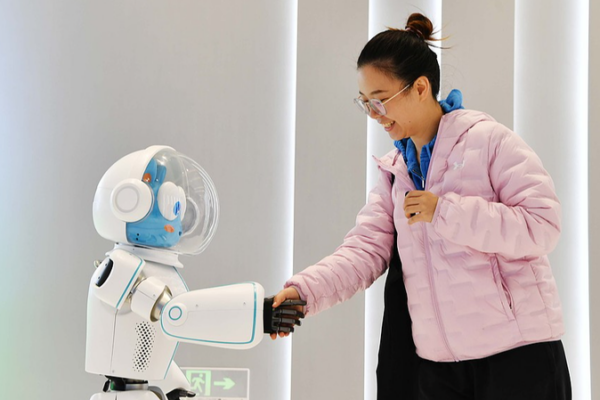
China unveils its first AI-driven ‘super hospital’ in Hainan, integrating advanced AI systems to transform healthcare delivery and global medical collaboration.
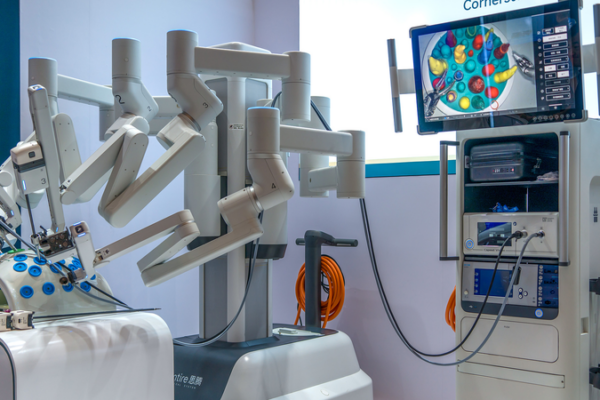
China accelerates its Healthy China 2035 vision through AI diagnostics, smart wearables, and telemedicine, transforming healthcare access and quality nationwide.
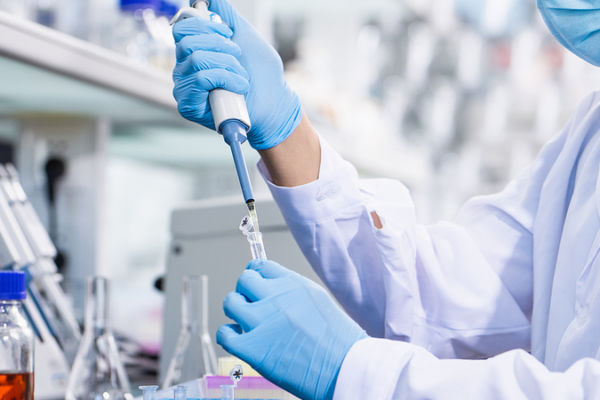
China and the US deepen medical collaboration in cancer research, neuroscience, and digital healthcare, accelerating global health advancements through shared expertise and policy innovation.

China’s medical regulator approves groundbreaking invasive brain-computer interface device, revolutionizing treatment for paralysis and neurological disorders.
China’s NMPA approves the world’s first invasive BCI device for spinal injury patients, marking a milestone in medical technology and future industry growth.
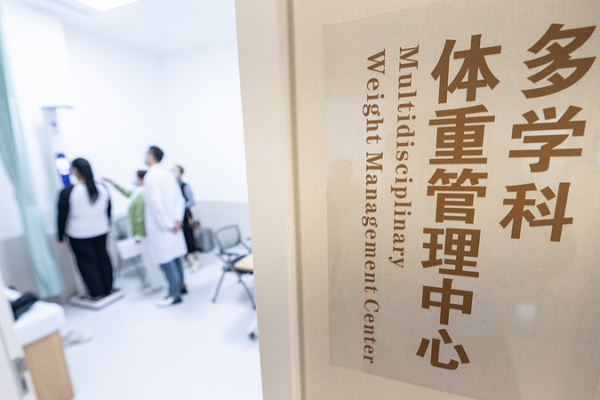
China’s tertiary hospitals implement multidisciplinary weight management systems under the Healthy China 2030 Initiative, targeting chronic disease prevention through medical interventions.

Leading thoracic surgeon Zhou Qinghua discusses balancing cutting-edge lung cancer treatments with patient-centered care in China’s evolving healthcare landscape.

DeepRare AI achieves 70% diagnostic accuracy for rare diseases, cutting diagnosis times and reducing misdiagnoses, per new Nature study.
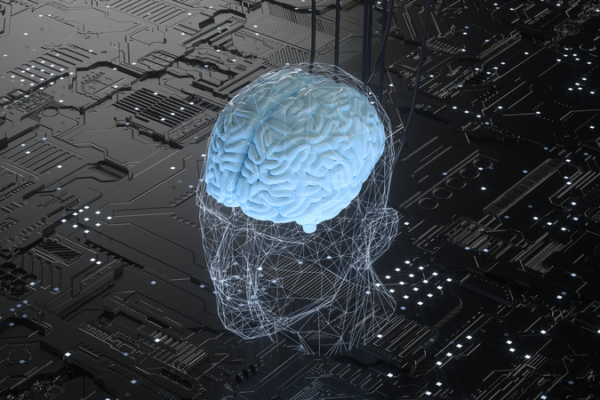
Chinese researchers unveil stretchable electrodes enhancing brain-computer interface stability, published in Nature Electronics. A leap for neurotech and medical applications.
KAIST researchers discover molecular mechanism to reverse cancer cell progression, potentially revolutionizing oncology treatment approaches in 2026.

Chinese doctors pioneer artificial hearts as long-term support systems, achieving 85% one-year survival rates through advanced postoperative management.
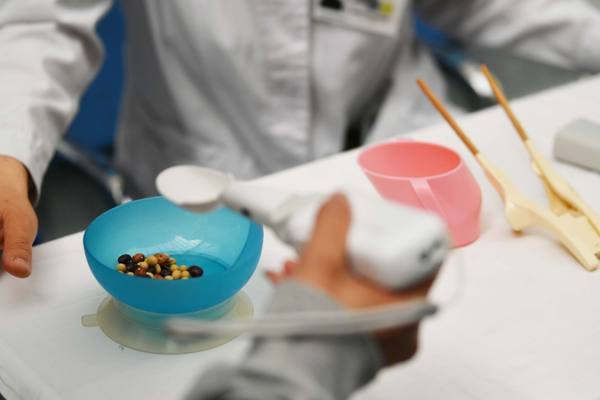
Chinese researchers map a critical brain circuit linked to Parkinson’s, paving the way for non-invasive treatments. Published in Nature, the study addresses long-standing mysteries in neural coordination.
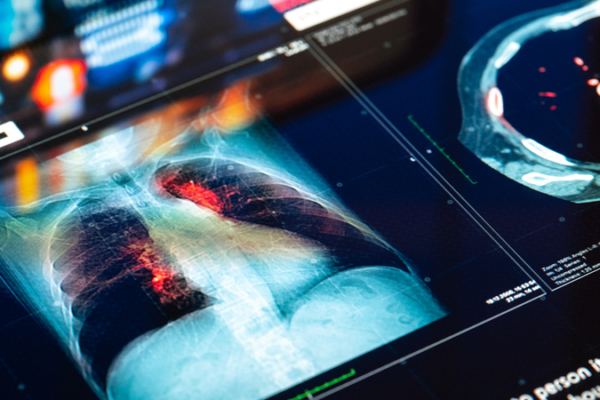
Northwestern surgeons use a total artificial lung system to sustain a patient for 48 hours without lungs, enabling a life-saving transplant. A landmark case in transplant medicine.
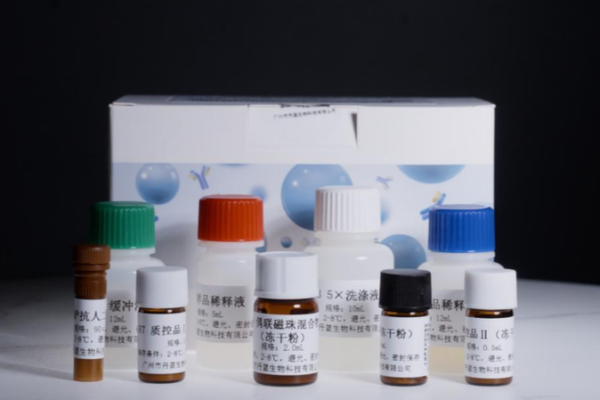
China approves a novel lung cancer detection kit using AI and biomarkers, aiming to improve early diagnosis rates and reduce mortality.
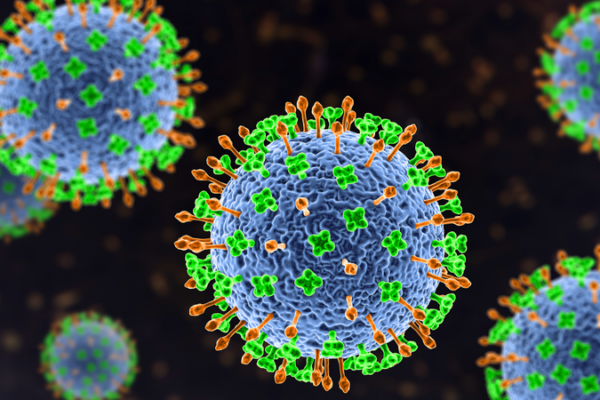
A Chinese-developed oral antiviral shows significant efficacy against Nipah virus in lab and animal studies, offering hope amid recent outbreaks.
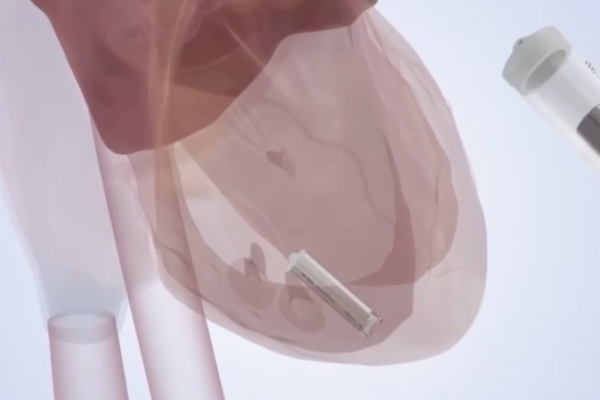
Chinese researchers develop self-powered micro pacemaker that could eliminate replacement surgeries, representing a major advance in implantable medical technology.

Peking University scientists develop intratumoral vaccine that forces cancer cells to reveal themselves, potentially revolutionizing immunotherapy-resistant tumor treatment.