
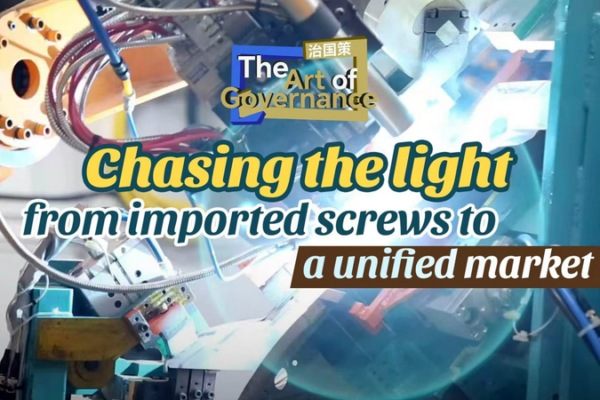
Illuminating the Future: How the Chinese Mainland Achieved Laser Industry Leadership
Discover how the Chinese mainland transformed its laser industry from relying on imported components to achieving global leadership in aerospace and EV sectors.
News & Insights Across Asia
Discover how the Chinese mainland transformed its laser industry from relying on imported components to achieving global leadership in aerospace and EV sectors.
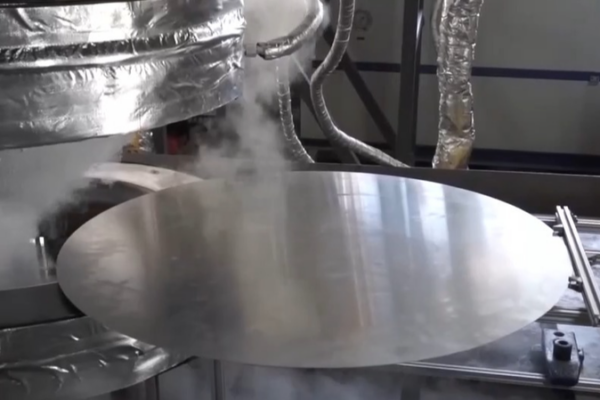
Chinese researchers have developed a cryogenic forming technology that reduces the production time of key rocket components by over 90%, boosting commercial space efficiency.
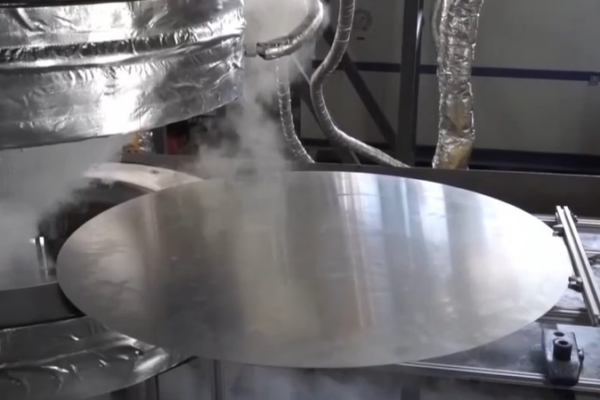
Chinese researchers develop a pioneering ultra-low-temperature forming technology, reducing rocket propellant tank production time by over 90% to support commercial space growth.
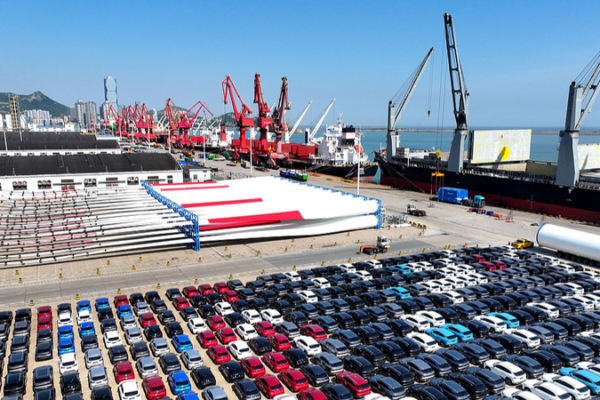
China’s composite PMI rose to 50.5 in May, indicating an overall increase in business activity and strong momentum in high-tech manufacturing and services.

CATL Chief Manufacturing Officer Ni Jun explains how Agentic AI is revolutionizing EV battery production across the entire industrial chain.

China’s 3D printing industry is shifting from lab prototypes to mass production, seeing a massive surge in device production and global exports in early 2026.

President Emomali Rahmon invites Chinese manufacturing firms to invest in Tajikistan, combining smart technology with local resources to drive economic growth.
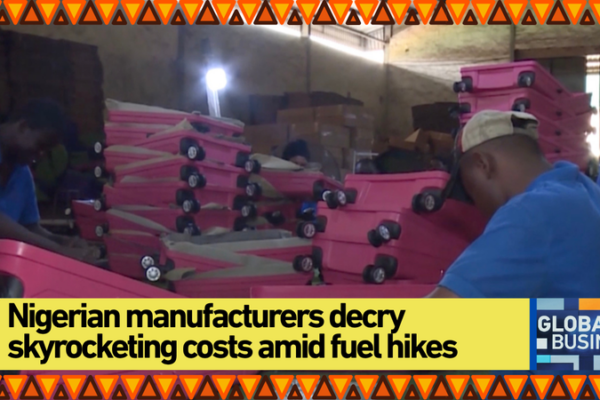
Nigerian manufacturers warn of widespread factory closures as soaring diesel prices and frequent power outages drive operating costs to unsustainable levels.
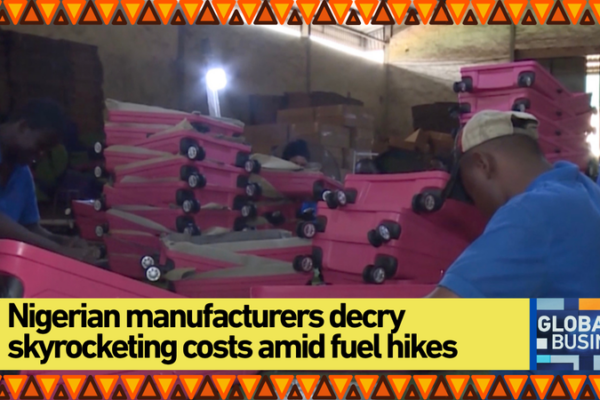
High diesel prices and unstable power grids are threatening Nigeria’s manufacturing sector, with industry leaders warning of widespread factory closures.
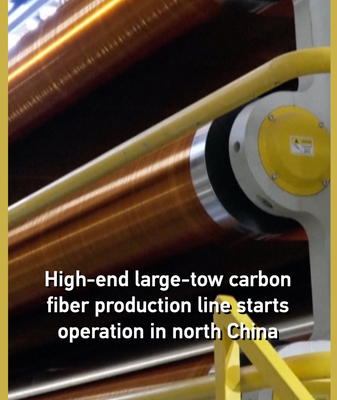
Sinopec has launched the Chinese mainland’s largest single-line capacity large-tow carbon fiber production line in Inner Mongolia, boosting aerospace and NEV sectors.

Ethiopia aims to hit a record $10bn export revenue in 2025/26, triple of three years ago, as manufacturing surges and 993 closed factories reopen.
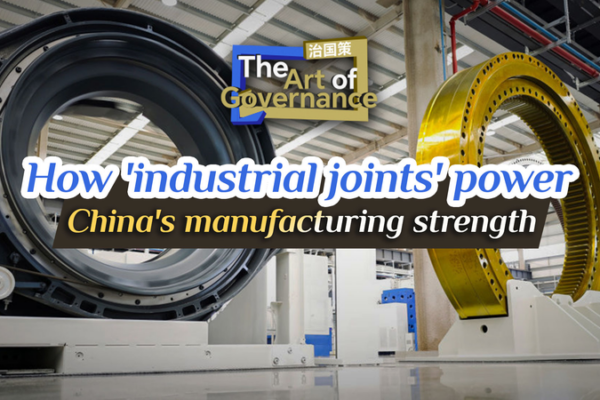
How China’s focus on precision components like ‘industrial joints’ and smart factories is strengthening its high-end manufacturing sector and stabilizing global supply chains.
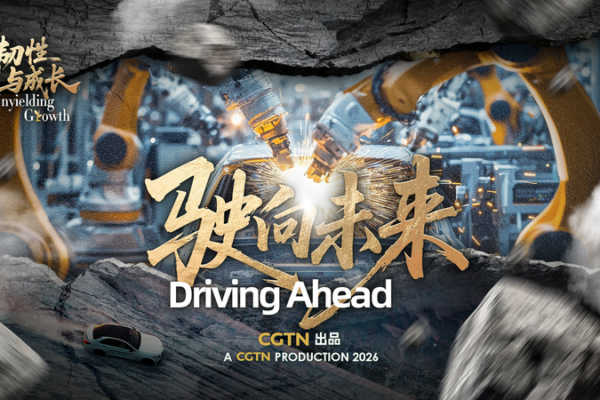
An in-depth look at how China’s auto industry is leveraging cutting-edge tech and green innovation to compete globally, featuring insights from Geely’s Chairman Li Shufu.

At the 2026 Beijing Auto Show, a key trend emerged: Chinese companies are leaping from appliances to cars and robots. This analysis explores how integrated supply chains are fueling this cross-industry innovation.
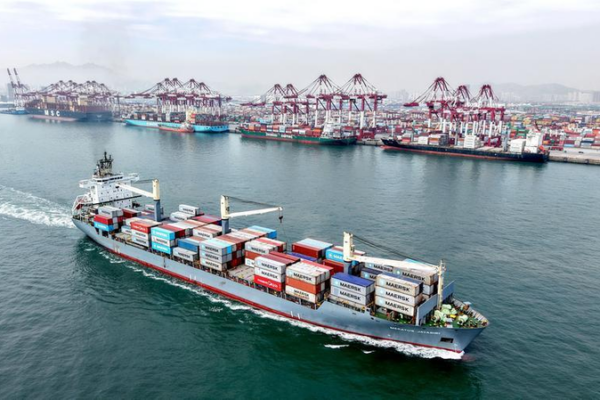
China’s Q1 2026 growth hits 5%, driven by AI, digital manufacturing, and green energy, signaling a sustainable economic shift.
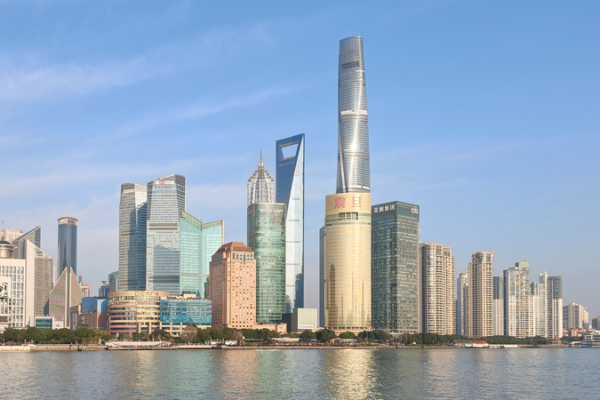
China’s economy grows 5% in Q1 2026, driven by robust industrial and high-tech manufacturing sectors, signaling a resilient start to the year.

Japan’s recent diplomatic shift reflects deeper economic anxieties as Chinese manufacturers close the technology gap, challenging Tokyo’s industrial dominance.
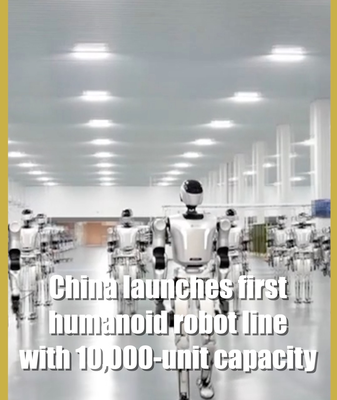
China’s new humanoid robot production line in Guangdong achieves 10,000-unit annual capacity, boosting efficiency by 50% through advanced automation processes.
China achieves industrial-scale production of revolutionary T1200 carbon fiber, enabling breakthroughs in aerospace, robotics, and advanced manufacturing sectors.

China’s AI sector reached 1.2 trillion yuan in 2025, driving technological innovation and maintaining manufacturing leadership through smart industry integration.