The Energy Struggle in Nigeria's Industrial Heart
Manufacturers across Nigeria are sounding a critical alarm as the combination of skyrocketing diesel prices and chronic power outages pushes the industrial sector toward a breaking point. With many factories now operating on the brink of insolvency, the warning is clear: without immediate systemic intervention, widespread closures are inevitable.
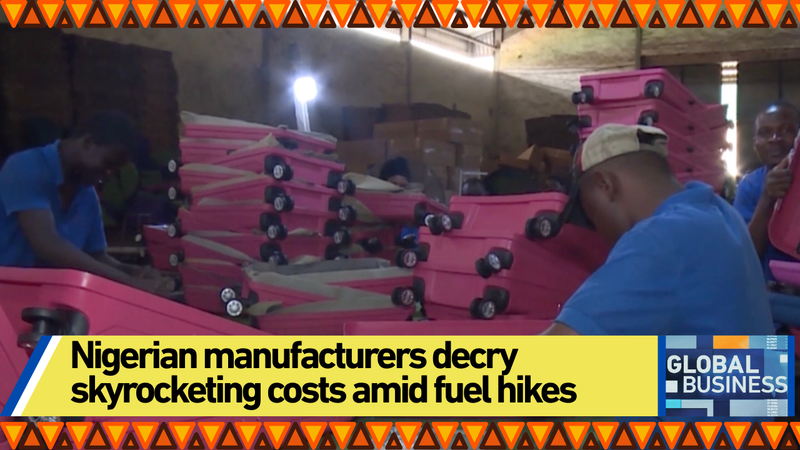
The reality of this crisis is palpable at Universal Luggage Industries in Lagos. Like many firms, the company relies heavily on diesel generators to compensate for an unreliable national grid. Executive Director Frank Onyebu reports that electricity costs have surged to between $139,000 and $146,000, yet the stability of power remains elusive.
"Just today alone, we've had two major power outages," Onyebu told CGTN. "Our machinery has been affected, and our production costs have gone through the roof."
The financial strain is creating a ripple effect. With production costs soaring, warehouses are filling with unsold stock because firms are often forced to sell below cost just to maintain cash flow.
A Sector Under Pressure
According to the Manufacturers Association of Nigeria (MAN), power-related expenses typically account for approximately 40% of total operating costs. However, recent fuel price hikes have exacerbated this burden. Segun Ajayi-Kadir, Director General of MAN, noted that the association had previously estimated spending on alternative power sources at roughly $52.6 million—a figure that has since climbed dramatically.
"When that percentage of your cost escalates by about 200, 300, 400%, you have a major problem in your hands," Ajayi-Kadir emphasized.
This energy crisis does not exist in a vacuum. Industry leaders point out that it is compounding other economic headwinds, including weakening consumer demand and thinning profit margins. For many business owners, the only options remaining are to absorb unsustainable losses or shut down entirely.
Government Response and the Path Forward
In response to the growing turmoil, the Nigerian government has introduced measures such as duty waivers on machinery imports to alleviate some of the financial pressure on the sector. While these steps are appreciated, manufacturers argue that they are merely band-aids on a deep wound.
The consensus among industry leaders is that duty waivers cannot replace a stable power supply. As Frank Onyebu aptly put it, "It’s impossible to continue running a business like this." For Nigeria to protect its industrial base, the focus must shift from temporary subsidies to a fundamental resolution of the electricity crisis.
Reference(s):
cgtn.com