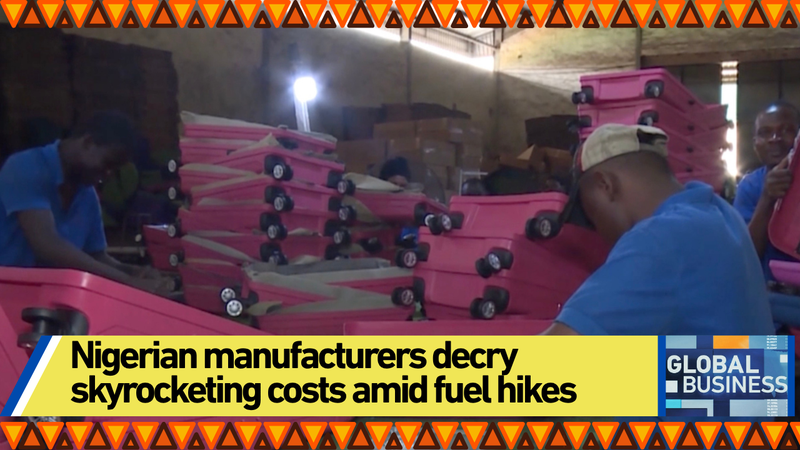
The industrial sector in Nigeria is currently facing a critical juncture as manufacturers sound the alarm over skyrocketing diesel costs and a persistent electricity crisis. The combination of an unreliable national grid and surging fuel prices is pushing many factories to the brink of closure, threatening the country's industrial stability.
The Cost of Power
For many firms, the reliance on diesel generators is no longer a temporary fix but a costly necessity. At Universal Luggage Industries in Lagos, the financial burden has become staggering. Executive Director Frank Onyebu reports that the company now spends between $139,000 and $146,000 on electricity to keep operations running.
The impact is not just financial but operational. "Just today alone, we've had two major power outages. Our machinery has been affected, and our production costs have gone through the roof," Onyebu stated, noting that the firm has even been forced to sell products below cost, leading to warehouses filled with unsold stock.
A Systemic Burden
The crisis is widespread across the sector. According to the Manufacturers Association of Nigeria (MAN), power-related expenses typically account for approximately 40% of total operating costs. However, recent fuel price hikes have caused these costs to escalate by 200% to 400% in some instances.
MAN Director General Segun Ajayi-Kadir highlighted the scale of the problem, noting that the association had previously estimated spending of around $52.6 million on alternative power sources even before the latest price surges. This financial pressure is compounded by weak consumer demand and tightening profit margins.
Government Intervention and Industry Response
In response to the growing unrest, the Nigerian government has introduced measures such as duty waivers on machinery imports to alleviate some of the pressure on the sector. While these steps are welcomed, industry leaders argue they are insufficient.
Manufacturers maintain that without a fundamental resolution to the underlying electricity crisis, import waivers will have a limited effect. As Onyebu warns, the situation has become unsustainable, leaving many businesses with the grim choice of absorbing massive losses or shutting down entirely.
Reference(s):
cgtn.com