
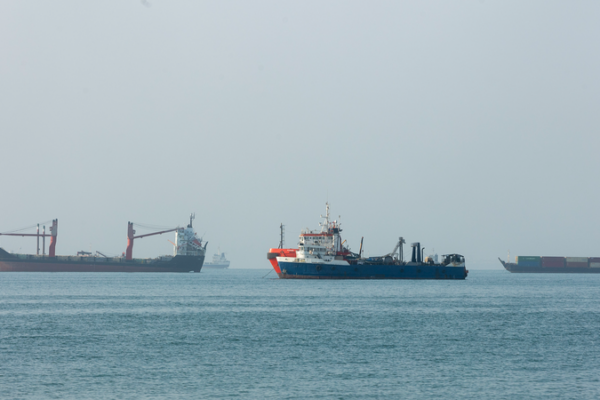
Fragile Peace: Israel and Lebanon Extend Ceasefire Amid Regional Tensions
Israel and Lebanon extend their ceasefire by 45 days, though recent strikes and US rejection of an Iranian peace proposal highlight ongoing regional instability.
News & Insights Across Asia
Israel and Lebanon extend their ceasefire by 45 days, though recent strikes and US rejection of an Iranian peace proposal highlight ongoing regional instability.
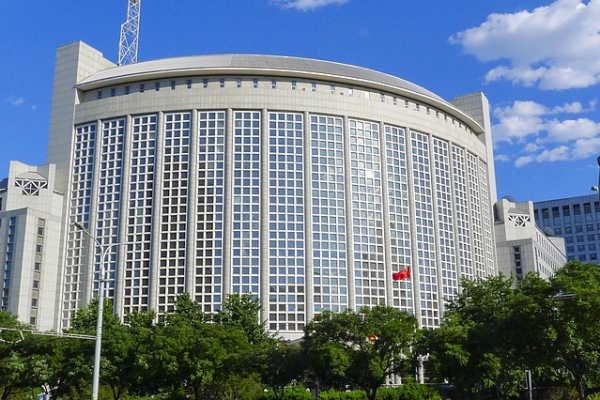
China calls for a lasting ceasefire and diplomatic resolution in the Iran crisis to protect global supply chains and restore stability to the Middle East.
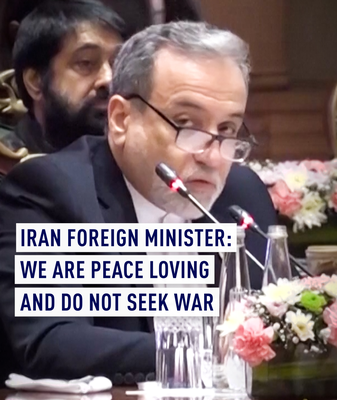
Iran’s Foreign Minister accuses the UAE of direct involvement in the US-Israeli war during a BRICS meeting, as Lebanon and Israel prepare for peace talks in Washington.
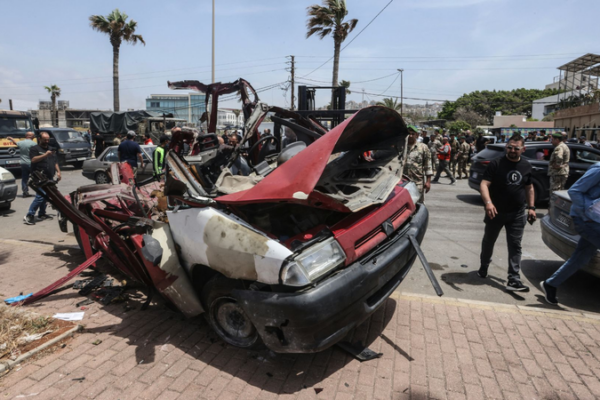
As Israeli strikes hit Lebanon despite a truce, China urges Pakistan to mediate between Iran and the US amid rising military costs and naval deployments in the Gulf.
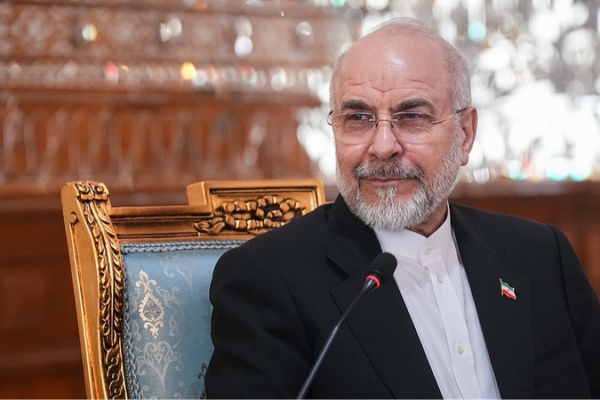
Iranian parliament speaker Mohammad Bagher Ghalibaf asserts there is “no alternative” but accepting the 14-point proposal to resolve tensions and avoid further failure.

US and Iran remain at a stalemate over nuclear materials and sanctions, with President Trump seeking a diplomatic breakthrough during his visit to the Chinese mainland.
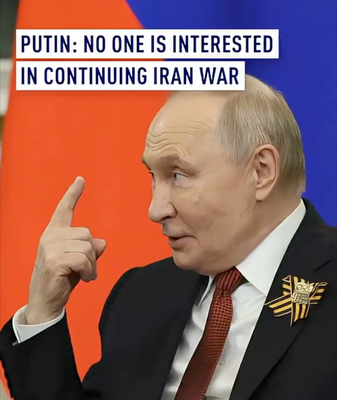
Russian President Vladimir Putin suggests that all parties have lost interest in continuing the confrontation involving Iran, emphasizing Moscow’s strong ties with the region.
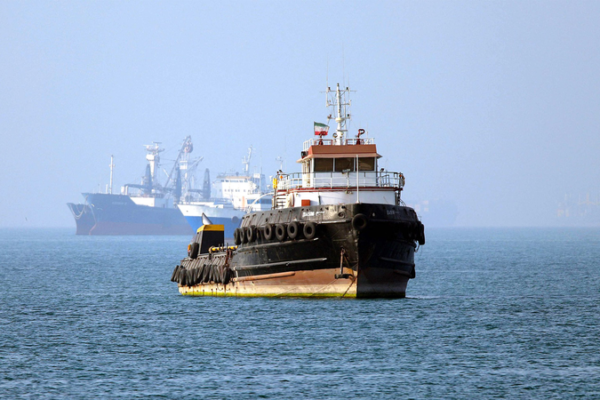
Iran’s top military commander warns of readiness for US-Israeli action as regional tensions peak near the Strait of Hormuz, while Egypt and Qatar call for diplomatic restraint.
Iran asserts military readiness to face potential US-Israeli actions as Egypt and Qatar call for diplomacy amid tensions in the Strait of Hormuz.

Iran has delivered its response to a US proposal to end a regional war lasting over two months through Pakistani mediators, focusing on immediate peace.
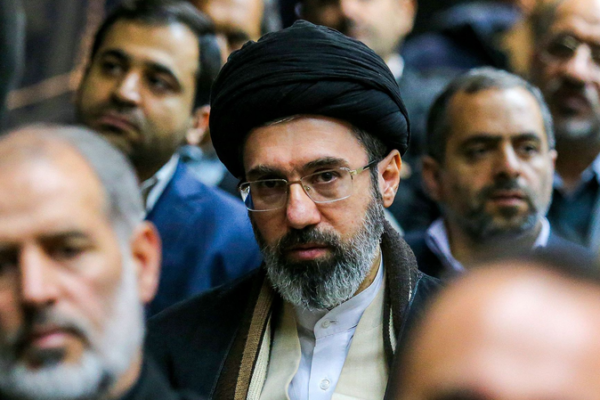
Iran’s military chief Ali Abdollahi briefs Supreme Leader Mojtaba Khamenei on readiness to respond powerfully to potential aggression from the US and Israel.
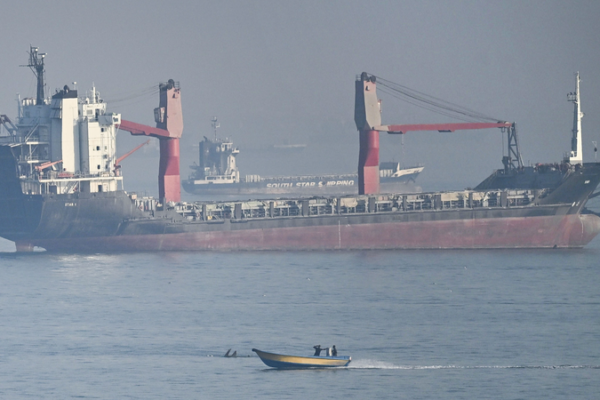
The IRGC warns of heavy retaliation against US military centers following recent naval clashes and a continuing blockade in the Strait of Hormuz.
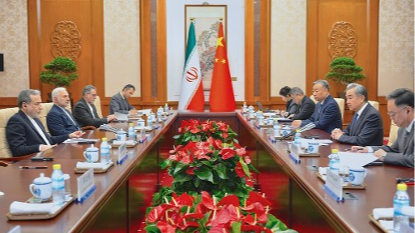
Iranian Foreign Minister Seyed Abbas Araghchi’s visit to China underscores Beijing’s pivotal role as a mediator in Middle East stability and the growing influence of its peace proposal.

President Masoud Pezeshkian reports a positive, two-and-a-half-hour meeting with Iran’s new Supreme Leader Mojtaba Khamenei.
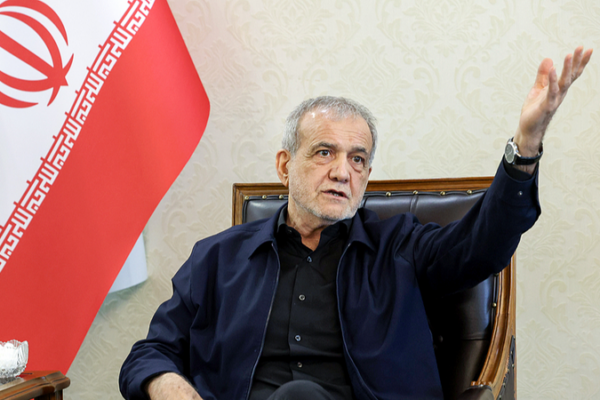
President Masoud Pezeshkian reports a recent meeting with Supreme Leader Mojtaba Khamenei, who has remained out of the public eye since early March.
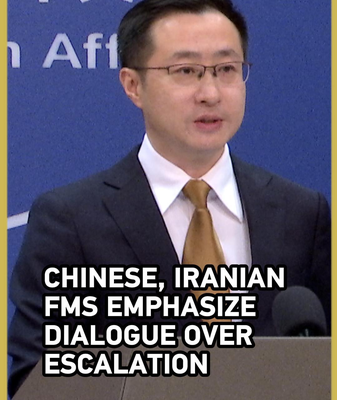
Chinese Foreign Minister Wang Yi and Iranian Foreign Minister Abbas Araghchi met in Beijing on May 6, emphasizing regional dialogue over escalation to ensure lasting peace in the Middle East.
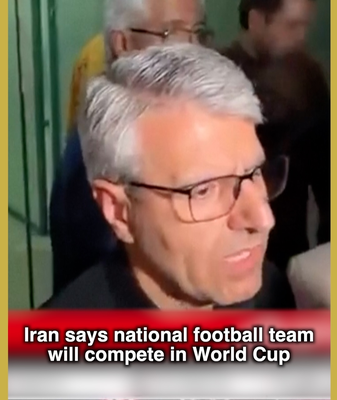
Iran’s Foreign Ministry confirms the national football team’s participation in the World Cup, urging FIFA and host nations to ensure a non-political environment.
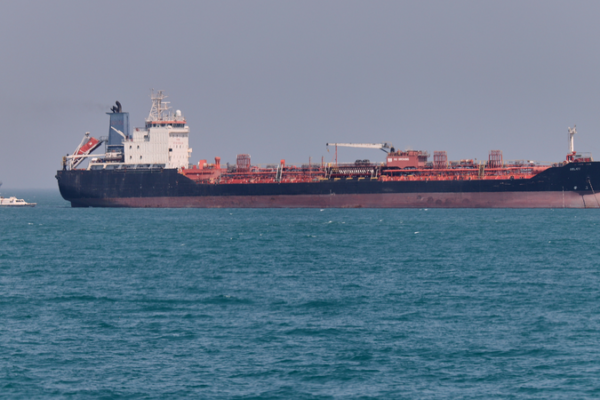
US President Donald Trump indicates that a deal to end the two-month conflict with Iran is possible, focusing on sanctions, nuclear limits, and the Strait of Hormuz.
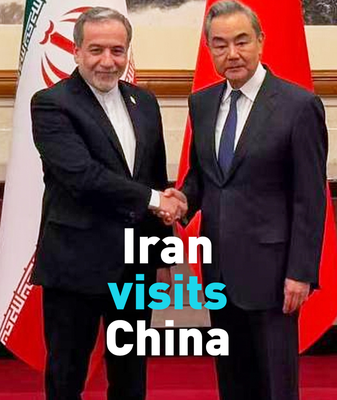
Iran’s Foreign Minister Abbas Araghchi visited China on May 6, discussing nuclear peace and a new era of international cooperation.
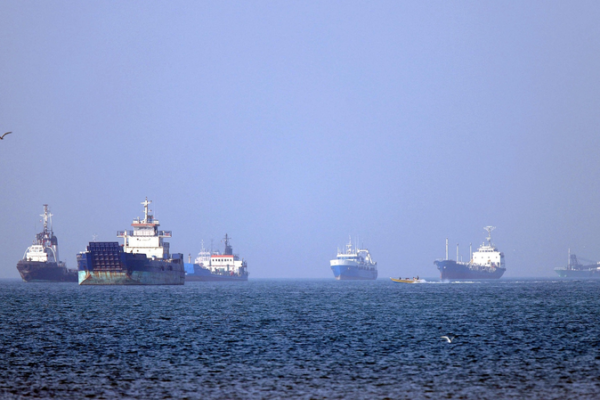
Iran’s IRGC naval forces state that safe transit through the Strait of Hormuz is possible if threats from aggressors end and regulations are followed.