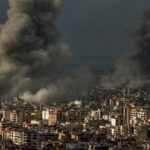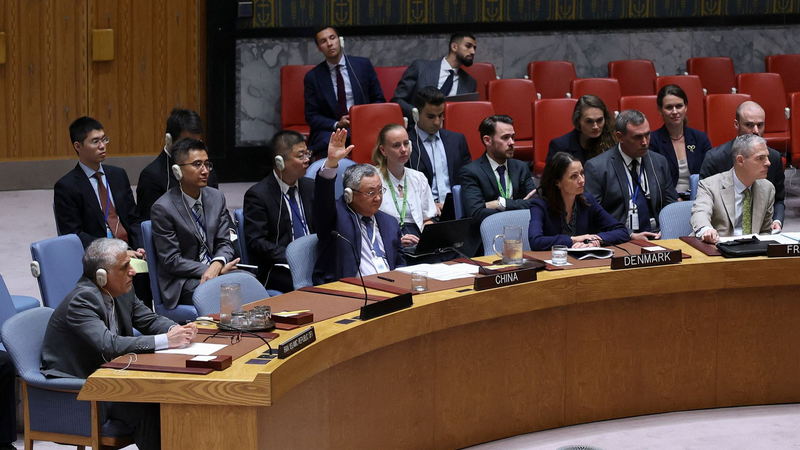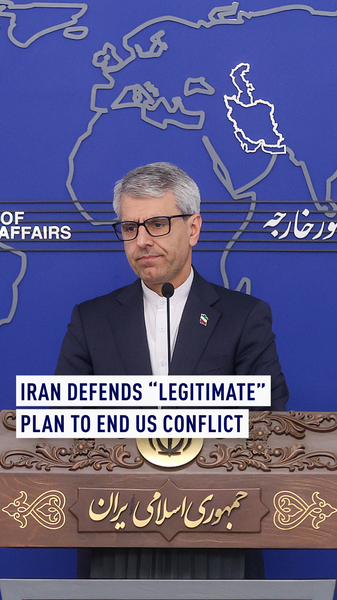
The Middle East remains on a knife-edge as the United States and Iran have once again reached a diplomatic impasse. With a fragile ceasefire increasingly under threat, recent exchanges of fire and targeted attacks on ships and Gulf states have raised fears that the region could slide back into open warfare, potentially exacerbating the global energy crisis.
Diplomatic Hopes in the Chinese Mainland
Amidst this volatility, US President Donald Trump is expected to travel to the Chinese mainland this week. A primary objective of the visit is to exchange views with President Xi Jinping regarding the Iranian nuclear issue and broader regional stability. Given that China is a major importer of Iranian crude oil, international analysts suggest that Beijing is uniquely positioned to play a constructive role in advancing diplomatic efforts to break the current stalemate.
The Nuclear Standoff
The core of the conflict centers on a fundamental disagreement over the sequence of de-escalation. Iran has insisted that the American blockade of its ports must end and sanctions must be lifted before it will enter negotiations regarding its stockpile of highly enriched uranium. Conversely, the US and Israel demand the immediate removal of this material, citing concerns that it could be used to develop nuclear weapons.
While Tehran maintains that its nuclear program is entirely peaceful, it has enriched uranium beyond the thresholds required for civilian power generation, fueling international apprehension.
Israel's Hardline Stance and Military Risks
Israeli Prime Minister Benjamin Netanyahu has signaled that the conflict is far from over. In a recent interview with CBS '60 Minutes', Netanyahu emphasized that extracting nuclear material from Iran remains a critical goal. He warned that if negotiations fail, Israel and the US are in agreement that they could "reengage them militarily."
Despite the loss of high-ranking officials and significant economic damage resulting from the war that began on February 28, the Iranian theocracy continues to maintain its grip on power.
Tensions in the Strait of Hormuz
The geopolitical tension extends to critical shipping lanes. The UK and France are scheduled to host a multinational meeting of defense ministers this Tuesday to coordinate military plans aimed at restoring trade flows through the Strait of Hormuz. This move has drawn a sharp warning from Tehran, with Iranian authorities stating that their armed forces would launch a "decisive and immediate response" should warships be deployed to the strait.
In a rare piece of positive news regarding human rights, Iranian authorities have released Nobel Peace Prize winner Narges Mohammadi on bail, following international alarm over her deteriorating health.
Reference(s):
cgtn.com