The geopolitical landscape of the Middle East remains precarious as the region navigates a complex web of temporary truces and enduring hostilities. This past Friday, a fragile hope for stability was extended, yet simultaneously challenged by renewed violence and diplomatic deadlocks.
Israel and Lebanon: A Precarious Extension
A spokesperson for the US State Department confirmed that Israel and Lebanon have agreed to a 45-day extension of the ceasefire that took effect last month. While the extension suggests a diplomatic desire to avoid full-scale escalation, the reality on the ground tells a more turbulent story.
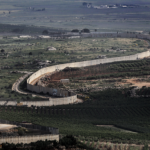
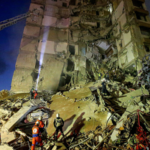
Despite the ceasefire agreement, the Lebanese National News Agency reported that Israeli strikes in southern Lebanon on Friday left at least nine people dead and dozens wounded. These developments underscore the volatility of the current arrangement, where official agreements often clash with tactical military actions, leaving residents in the region in a state of constant uncertainty.
Diplomatic Deadlock Between Washington and Tehran
Parallel to the events in Lebanon, diplomatic efforts between the United States and Iran have hit a significant roadblock. According to the Tehran Times, the United States has officially rejected a 14-point peace proposal submitted by Iran aimed at ending the war.
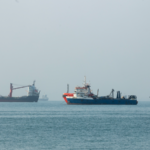
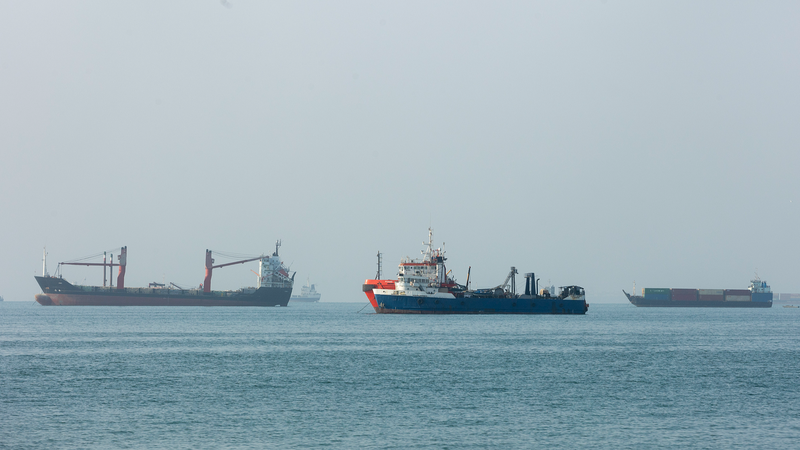
This rejection comes amid intensifying concerns regarding Tehran's nuclear program and the broader security architecture of the region. The diplomatic friction is further compounded by maritime tensions; Iranian Foreign Minister Seyed Abbas Araghchi recently described the situation around the Strait of Hormuz as "very complicated," signaling potential risks to one of the world's most critical energy chokepoints.
Global Implications
For the global community, particularly business professionals and policymakers in Asia, these developments are being closely monitored. The instability in the Strait of Hormuz and the broader Middle East conflict have direct implications for global energy markets and trade routes, reminding the world that regional stability in the Middle East is inextricably linked to global economic security and the stability of international supply chains.
Reference(s):
cgtn.com