
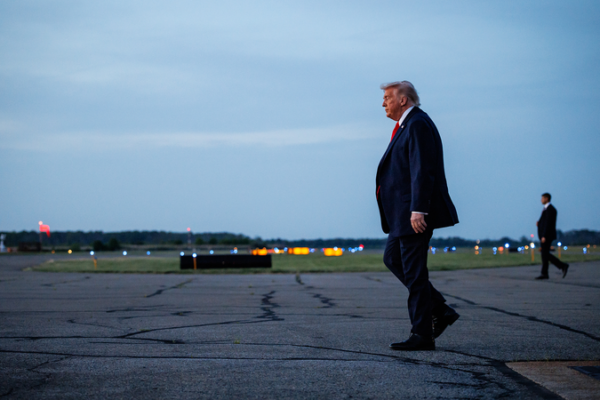
Trump’s Iran Campaign: From Strategic Strength to Political Liability
President Trump faces growing domestic pressure and party divisions 100 days into the US-led military campaign against Iran as economic costs rise.
News & Insights Across Asia
President Trump faces growing domestic pressure and party divisions 100 days into the US-led military campaign against Iran as economic costs rise.

Escalating tensions in the Iran conflict and disruptions in the Strait of Hormuz are threatening fertilizer supplies and global food security.
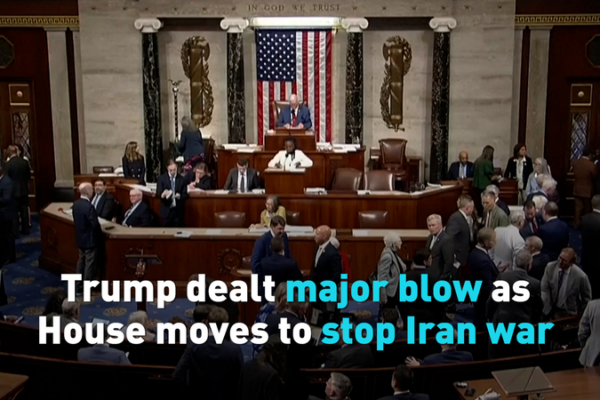
The U.S. House of Representatives passed a historic resolution on June 3 to limit President Donald Trump’s authority to continue the war against Iran.
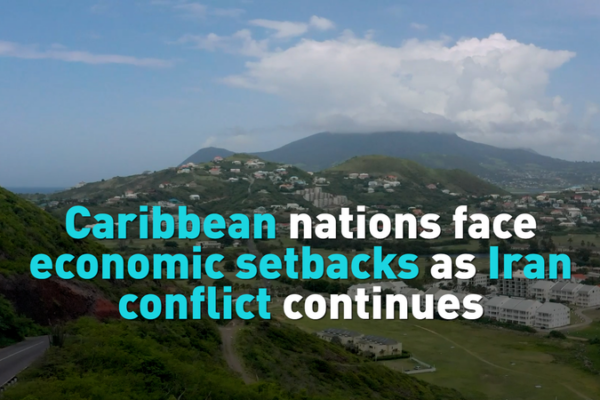
Surging fuel prices and rising travel costs are straining Caribbean economies, impacting tourism and the cost of essential imports due to the continuing Iran conflict.
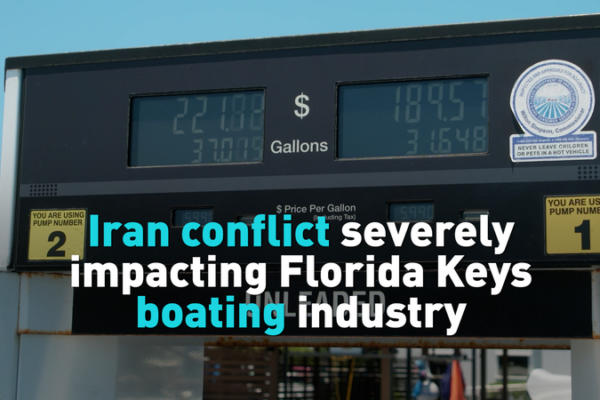
Global oil price hikes, triggered by the ongoing Iran conflict and rejected peace deals, are severely impacting boat operators in the Florida Keys.
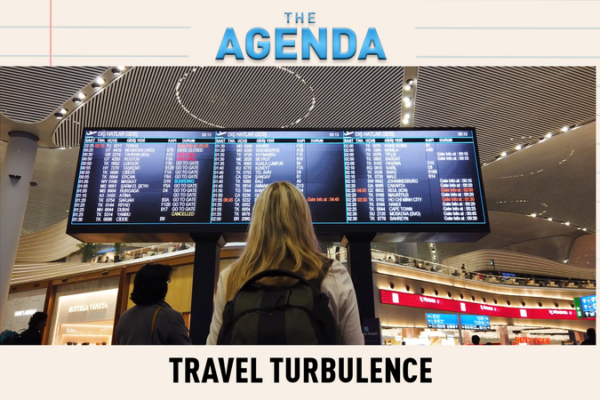
The Iran conflict is creating significant turbulence for the global travel sector, impacting flight routes and fuel costs during the peak summer holiday season.
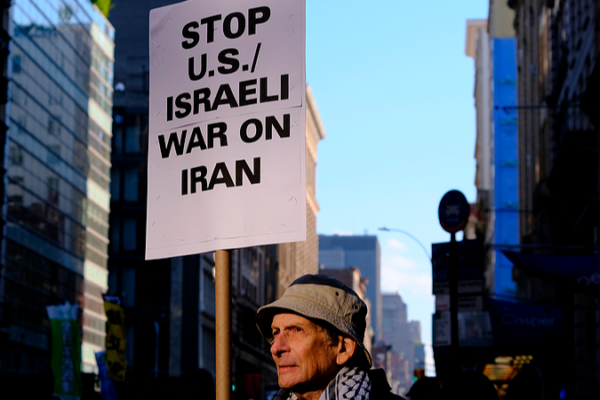
Major protests across the United States on May Day 2026 voiced opposition to US military action in Iran and criticized domestic immigration enforcement policies.
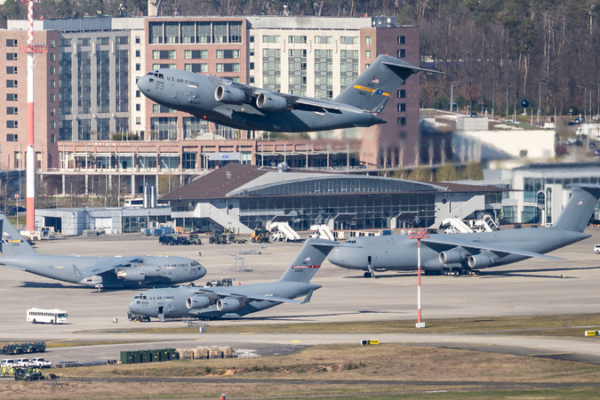
President Trump considers cutting US troops in Germany, Spain, and Italy, criticizing European allies for insufficient support in the conflict involving Iran.
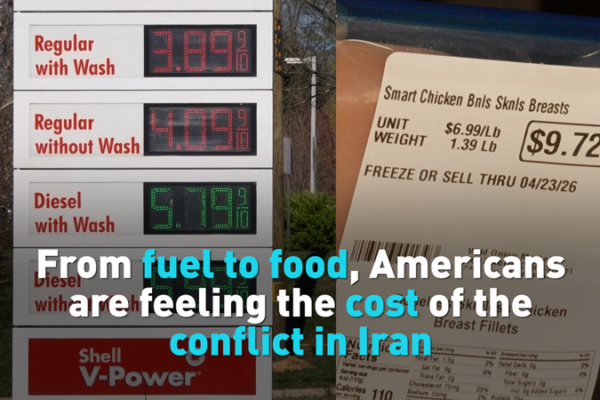
Soaring gas prices driven by the conflict in Iran are straining American households and businesses, highlighting the global economy’s interconnected nature in 2026.
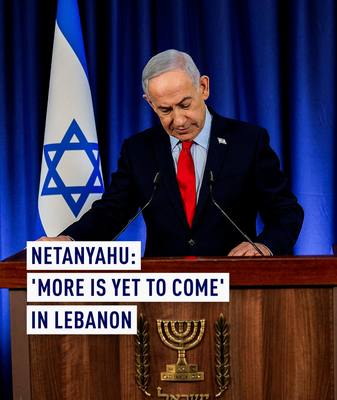
Diplomatic efforts to end the Iran conflict hit a wall as military actions and economic shocks ripple across the region, with the UAE’s OPEC exit marking a major shift.
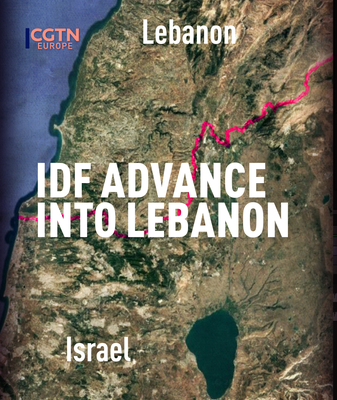
The US shows little enthusiasm for an Iranian proposal to end the war without a nuclear deal, as conflicts in Gaza and regional tensions continue to escalate.

German Chancellor Friedrich Merz slams US strategy in Iran as ‘planless,’ amid rising oil prices and Strait of Hormuz disruptions.
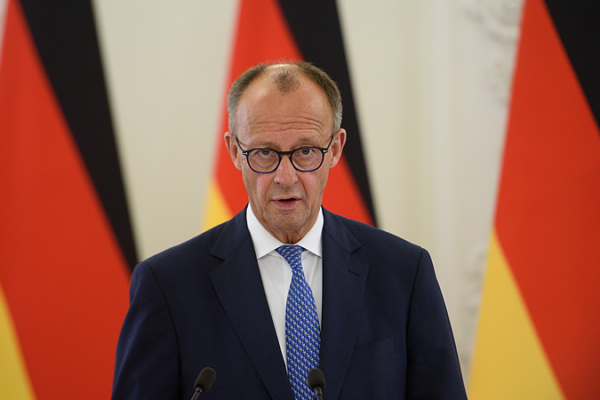
German Chancellor Merz criticizes the US-Israel led war with Iran, warning it threatens the global economy and urging a united EU response.
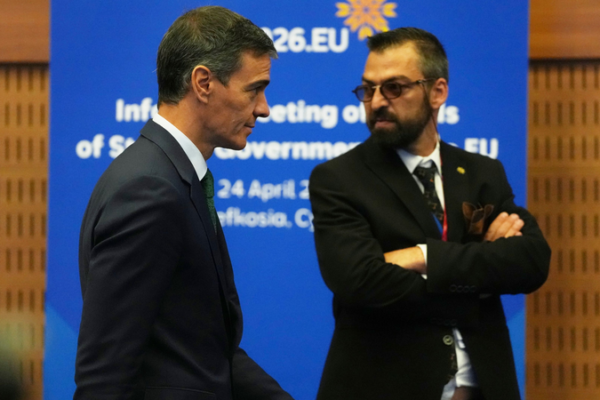
Spanish PM Pedro Sanchez defends Spain’s NATO role after reported US threats over refusal to support military operations against Iran.
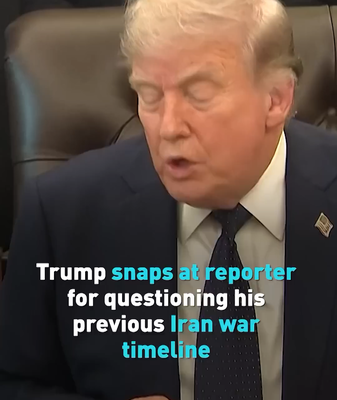
US President Donald Trump defended his Iran war strategy in a heated exchange with a reporter, citing military progress and drawing comparisons to past conflicts.
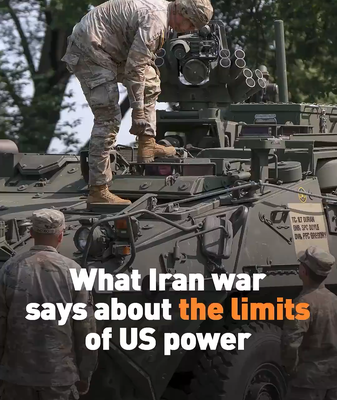
Columbia professor Jeffrey Sachs argues the Iran war has starkly exposed the limits of American military power, with Iran potentially emerging stronger.
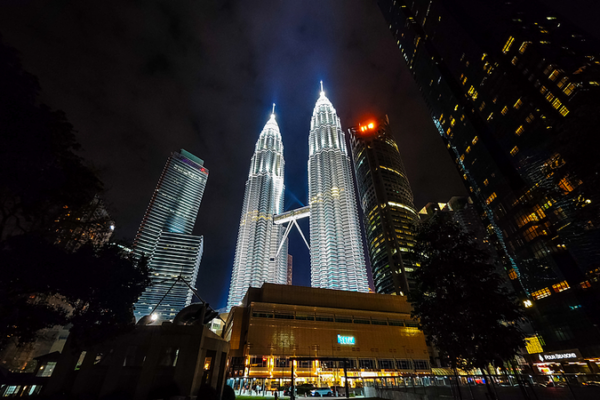
Malaysia unveils new measures to support businesses coping with the economic impact of the Iran conflict, highlighting regional economic resilience.
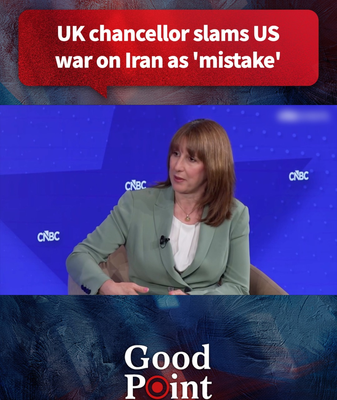
UK Chancellor Rachel Reeves criticizes US military action in Iran as destabilizing, urges reopening of Strait of Hormuz to curb economic turmoil.

China urges immediate ceasefire in Iran, citing IMF warnings of global economic risks. Foreign ministry spokesperson highlights need for multilateral dialogue to stabilize markets.
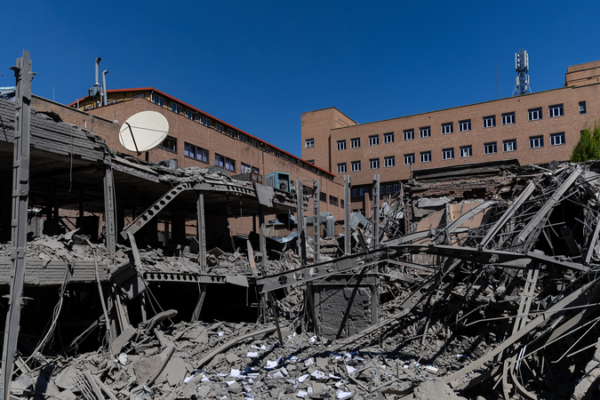
Iran’s forensic authority confirms 3,375 deaths in US-Israeli strikes, including 500 women and 383 children, amid escalating regional tensions.