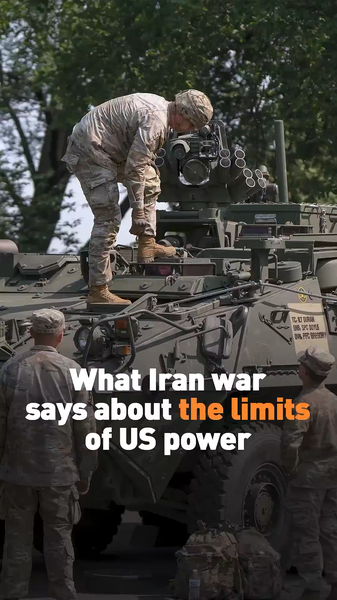
In a world where geopolitical shifts are closely watched, the ongoing conflict involving Iran has become a focal point for understanding changing global power dynamics. According to Columbia University professor Jeffrey Sachs, a key takeaway from the hostilities is the stark exposure of the limits of American military power, with Iran potentially emerging from the situation in a strengthened position.
Sachs, in his recent analysis, argues that while Iran's resilience is notable, the more significant revelation lies in the constraints faced by the United States in projecting military force effectively. This insight, he suggests, challenges long-held assumptions about unilateral power and its application in complex regional conflicts.
For Asia's diverse audience – from global news enthusiasts to business professionals monitoring market stability – this development offers crucial lessons. The region, home to its own intricate security architectures, observes how traditional military dominance is being recalibrated in real-time. The Iran conflict serves as a contemporary case study in the nuances of modern warfare and strategic deterrence.
Academics and researchers examining international relations find rich material in this analysis, as it prompts a reevaluation of power structures. For the Asian diaspora and travelers attuned to regional security, understanding these limits is essential for grasping the evolving landscape of peace and conflict.
As 2026 unfolds, the implications extend beyond the immediate theater. The exposure of these military boundaries underscores a broader trend where diplomatic, economic, and soft power avenues are gaining prominence in global affairs. This shift may redefine how nations, including those in Asia, approach security and cooperation in an increasingly interconnected world.
Reference(s):
cgtn.com