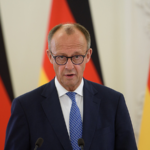
German Chancellor Friedrich Merz has publicly criticized the United States for what he describes as a "planless" military engagement in Iran, warning that the ongoing conflict is destabilizing global energy markets and supply chains.
Speaking at the Carolus-Magnus-Gymnasium in Marsberg on Monday, Merz expressed skepticism about Washington's strategy, stating that the U.S. "obviously went into this war without any plan." He emphasized that the Iranian leadership has been negotiating skillfully, putting the U.S. in a difficult position.
The conflict escalated earlier this year when, on February 28, Israel and the United States launched joint attacks on Tehran and other Iranian cities, resulting in the death of Iran's then Supreme Leader Ali Khamenei and numerous casualties. Iran retaliated with missile and drone strikes targeting Israeli and U.S. interests across the Middle East, and subsequently tightened its control over the Strait of Hormuz, a vital maritime chokepoint for global oil and gas shipments.
A ceasefire was brokered on April 8, but subsequent talks between Iran and the United States in Islamabad failed to yield a lasting agreement. In response, the United States imposed its own blockade on the strait, further exacerbating the disruptions.
The turmoil has had immediate economic repercussions, with Brent crude oil prices climbing above $107 per barrel this week, driven by concerns over supply security. For Asian economies heavily reliant on Middle Eastern oil, the situation poses significant risks to energy costs and economic stability.
Chancellor Merz reiterated Germany's offer to assist in securing the Strait of Hormuz and restoring global oil supply chains, but stressed that Berlin would only participate once all combat operations have ceased. This stance reflects a cautious approach to direct involvement in the conflict.
As the standoff continues, the international community watches closely, with Asian nations particularly concerned about the impact on trade and energy security. The criticism from a key European leader like Merz underscores the growing unease over the U.S.'s handling of the Iran crisis.
Reference(s):
cgtn.com