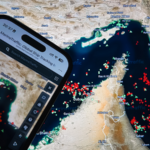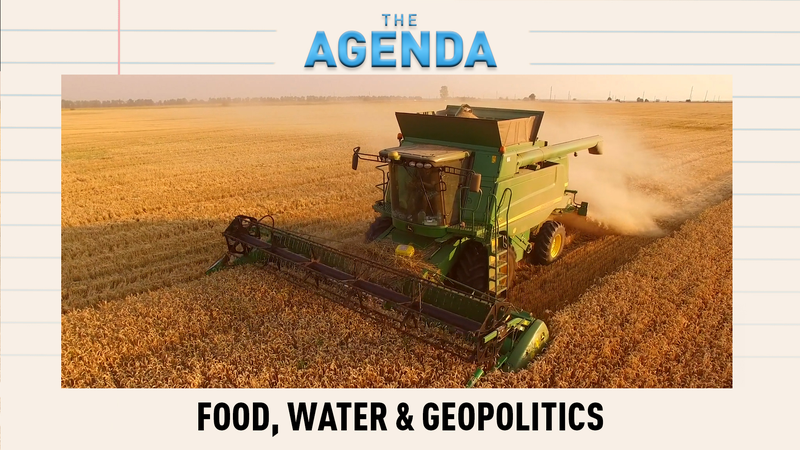
While global attention often focuses on the energy markets during geopolitical unrest, the current escalation in the Iran conflict is sending shockwaves far beyond oil prices. Recent bottlenecks through the Strait of Hormuz are creating a ripple effect that threatens the very foundation of global food systems.
One of the most critical concerns is the disruption of fertilizer shipments. As transit through key maritime routes becomes increasingly volatile, delays in the delivery of essential agricultural inputs are pushing costs higher. For farmers and agribusinesses, these rising expenses and supply shortages directly threaten crop yields, potentially leading to food shortages and price hikes for consumers worldwide.
Adding to this instability is the growing challenge of freshwater scarcity in key agricultural regions. This environmental stress, coupled with logistical bottlenecks, highlights the fragility of the global food chain and raises a pressing question for policymakers: Could food and water become the next major geopolitical flashpoints?
In a recent discussion on The Agenda, host Juliet Mann explored these complexities with leading experts. Ertharin Cousin, CEO of Food Systems For the Future, and Maximo Torero, Chief Economist of the UN Food & Agriculture Organization, analyzed how these interconnected crises—from maritime security to resource scarcity—are converging to put global nutrition and stability at risk.
As the situation in the region evolves, the international community remains vigilant, recognizing that the security of the Strait of Hormuz is not just a matter of energy, but a critical component of global food resilience.
Reference(s):
Iran Conflict: Is Global Food Security at Risk? – The Agenda
cgtn.com