Diplomatic efforts to resolve the ongoing conflict in Iran have reached a critical impasse as the United States rejected Tehran's latest proposal, setting the stage for continued regional instability. The stalemate, now entering a protracted phase, is punctuated by military actions, economic shocks, and stark geopolitical realignments.
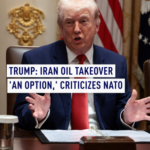
On Tuesday, US President Donald Trump expressed dissatisfaction with an Iranian offer that sought to defer discussions on its nuclear program until after the conclusion of hostilities and the resolution of shipping disputes in the Strait of Hormuz. In a social media post, Trump asserted, without providing evidence, that Iran had privately communicated it was in a "state of collapse." A US official stated the administration's position insists on addressing nuclear issues from the outset of any negotiations, creating a fundamental roadblock. Iran's military spokesperson subsequently emphasized that the Islamic Republic does not consider the war over.
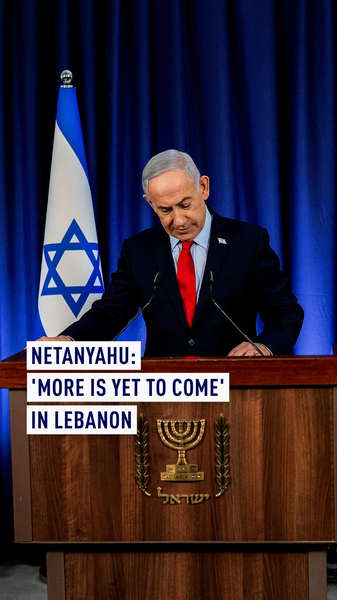
The diplomatic deadlock unfolds against a backdrop of heightened military activity. Israeli Prime Minister Benjamin Netanyahu announced the destruction of a "massive Hezbollah terrorist tunnel" in Lebanon. In a separate incident, the Lebanese health ministry reported that Israeli strikes on Tuesday killed eight people, including civil defence rescuers, and wounded two soldiers in the country's south, despite an ongoing ceasefire. Meanwhile, over Baghdad, air defense systems reportedly engaged drones flying near the US embassy in the Green Zone.
The conflict's economic reverberations were felt globally as oil prices surged. The spike followed reports of the stalled talks and a dramatic announcement from the United Arab Emirates that it will withdraw from the OPEC and OPEC+ cartels to focus on its "national interests." Analysts suggest the move could allow the UAE greater flexibility in navigating regional disruptions.
Further complicating the landscape, the US announced sanctions on 35 entities and individuals allegedly involved in Iran's shadow banking system. In a related development, US troops boarded, searched, and later released the commercial vessel M/V Blue Star III, which was suspected of attempting to violate the blockade of Iranian ports.
As the situation intensifies, US Defense Secretary Pete Hegseth is set to face tough questions from lawmakers on Wednesday during his first Congressional testimony since the conflict began. The geopolitical undercurrents were also highlighted by reported private remarks from the UK's ambassador to the US, Sir Christian Turner, who suggested that "probably Israel" is the only country with a "special relationship" with the United States.
With talks deadlocked and key regional powers recalibrating their strategies, the path to de-escalation appears increasingly uncertain. The combined pressures of military engagements, economic sanctions, and diplomatic fractures suggest the conflict may continue to shape the Middle East's political and economic landscape for the foreseeable future.
Reference(s):
Talks deadlock continues as Iran air force chief pledges defiance
cgtn.com