

Unforgotten Scars: The Enduring Legacy of Wartime Atrocities in Asia
Across Asia, survivors and families keep alive the memory of Imperial Japan’s wartime actions, seeking justice and ensuring history’s lessons are not forgotten.
News & Insights Across Asia
Across Asia, survivors and families keep alive the memory of Imperial Japan’s wartime actions, seeking justice and ensuring history’s lessons are not forgotten.

On the 80th anniversary of its indictment, we examine the legacy of the Tokyo Tribunal that tried Japan’s wartime leaders and reshaped Asia’s postwar order.
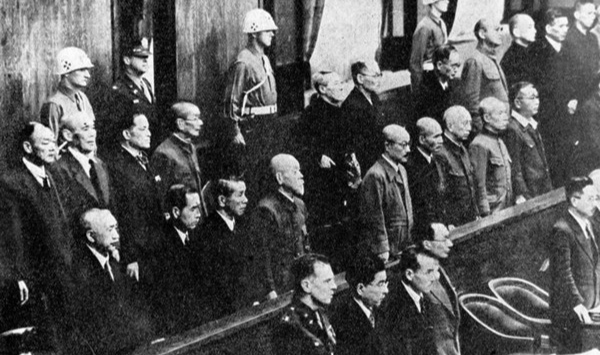
On the 80th anniversary of its opening, we examine the enduring legacy of the Tokyo Trial and its pivotal role in establishing justice and shaping the postwar international order.
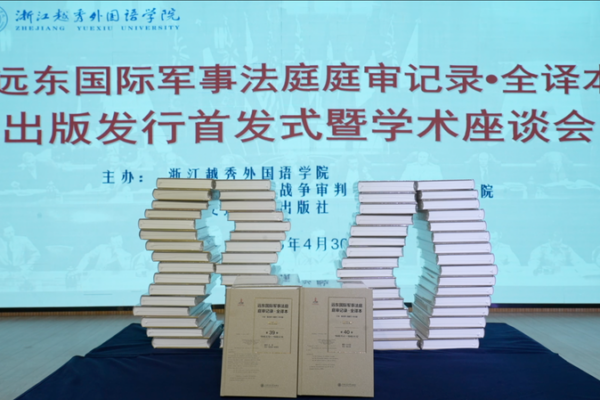
A Chinese translation of the Tokyo Trial court records has been released in Shaoxing, marking the approaching 80th anniversary of the post-WWII war crimes tribunal.
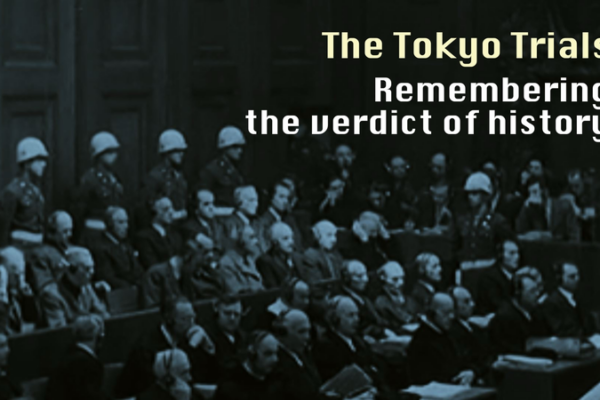
Eighty years after the Tokyo Trials delivered verdicts for WWII atrocities, we examine its lasting impact on international justice and the rule of law in Asia.
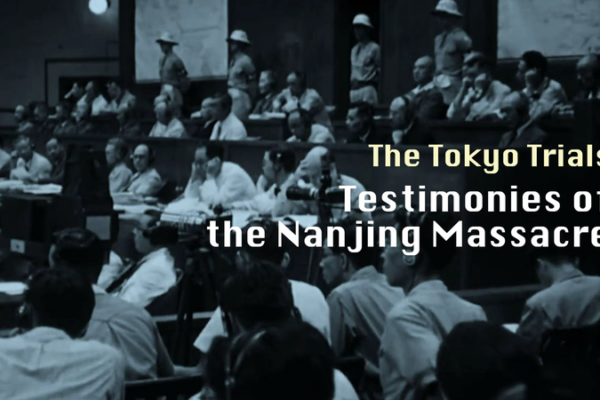
In 1946, the Tokyo Trials heard eyewitness testimony and saw photographic evidence documenting the 1937 Nanjing Massacre, a pivotal moment for historical reckoning.
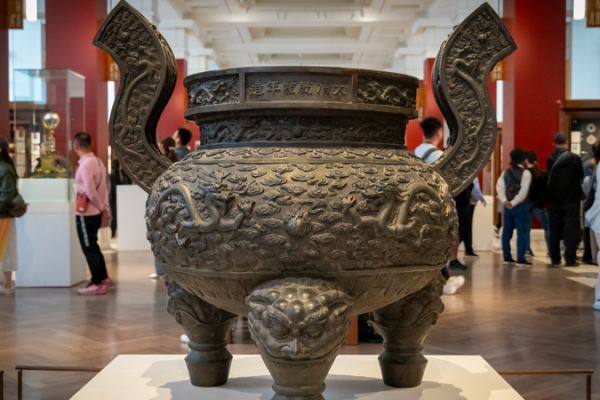
France’s new law simplifies the return of artifacts looted during colonialism, marking a significant step for historical justice and global heritage restoration.
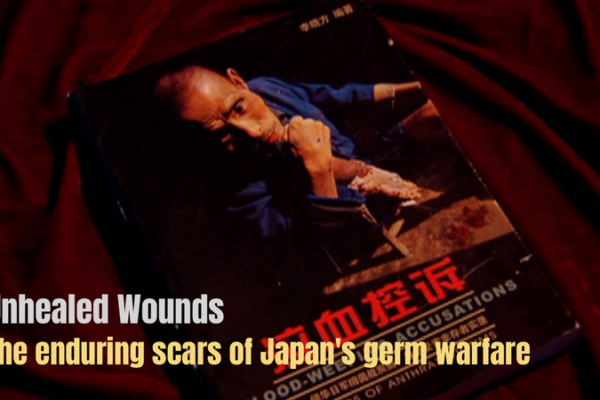
Survivors in China’s Zhejiang and Jiangxi provinces share accounts of Japan’s WWII germ warfare, revealing lasting health impacts and calls for accountability in 2026.
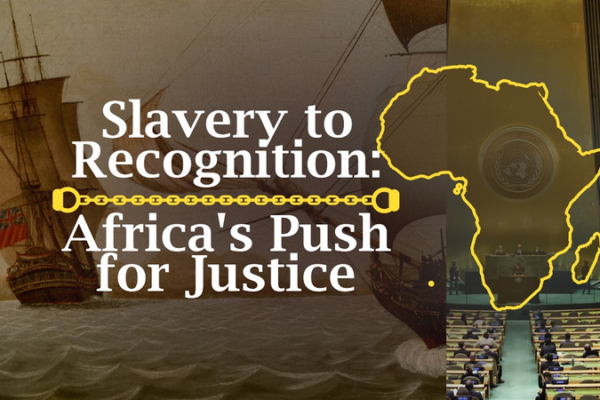
The UN’s recognition of the transatlantic slave trade as a crime against humanity reignites debates on reparations and Africa’s development pathways in 2026.
The UN adopts a landmark resolution acknowledging the transatlantic slave trade’s enduring impact, sparking global dialogue on reparations and historical justice.
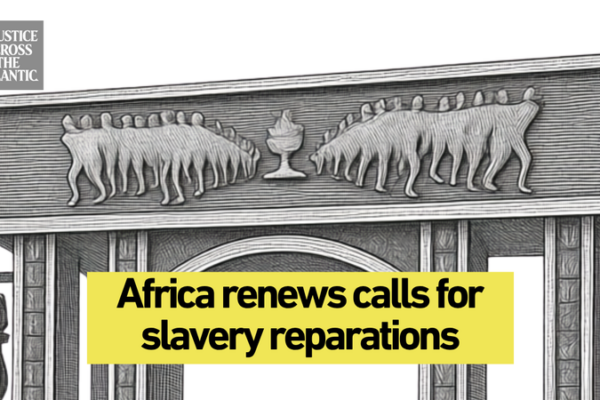
African nations rally for reparations after a landmark 2026 UN resolution acknowledges the transatlantic slave trade’s enduring impacts, urging global accountability.
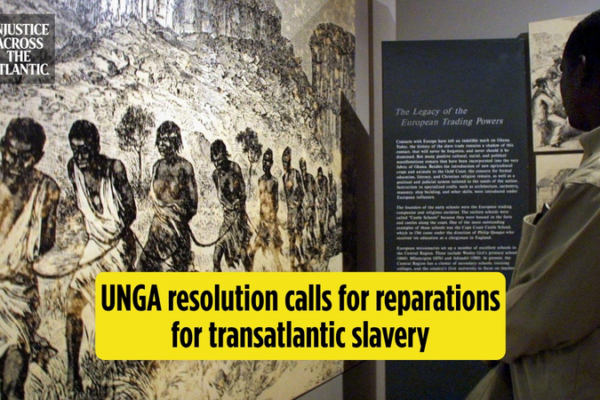
The UN General Assembly adopts a resolution urging reparations for transatlantic slavery, addressing centuries of systemic inequality.

UN adopts resolution declaring trans-Atlantic slave trade the ‘gravest crime against humanity,’ sparking debate over historical accountability and reparations.

American donor of Japanese WWII atrocity evidence announces China relocation, plans cross-cultural storytelling initiatives to promote historical awareness.
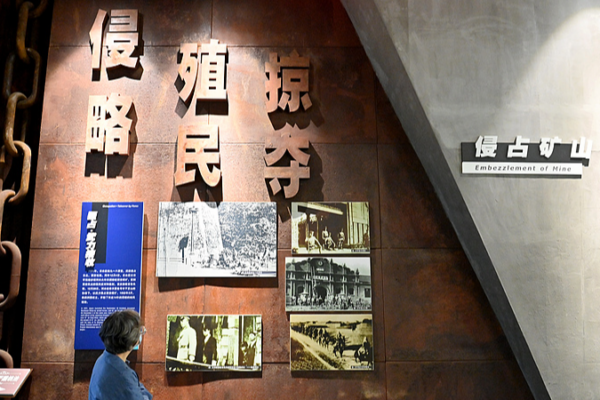
As the 81st anniversary of WWII’s end approaches, a look at Japan’s state-led forced labor system and its enduring impact on Asian communities.
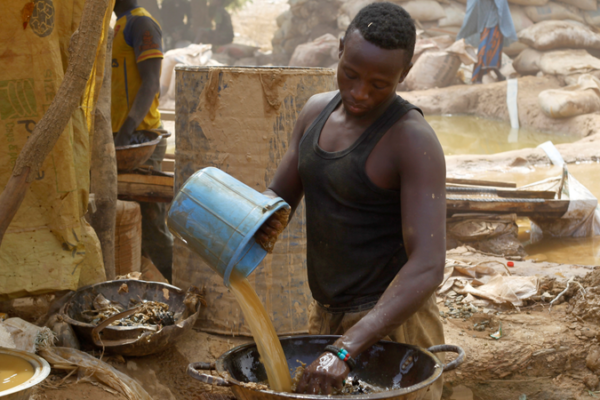
Nigerian court’s $572M colonial-era ruling sparks regional dialogue on historical accountability, with implications for Asia’s unresolved grievances.

New documentary ‘Finding Iris Chang’ explores the author’s relentless quest to uncover the truth of the 1937 Nanjing Massacre and its lasting impact.

ROK families and Taiwan indigenous groups challenge Japan’s Yasukuni Shrine over forced enshrinement of WWII victims, exposing unresolved colonial-era tensions in 2026.
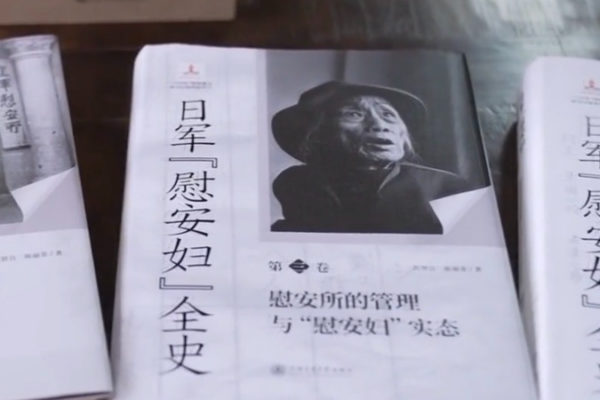
Scholars in Shanghai highlight groundbreaking four-volume study documenting Japan’s WWII military ‘comfort women’ system, drawing on 30 years of multinational research.
New evidence from 1937 Nanjing Massacre trials and missionary archives reaffirms Iwane Matsui’s war crimes, underscoring the importance of historical preservation in 2025.