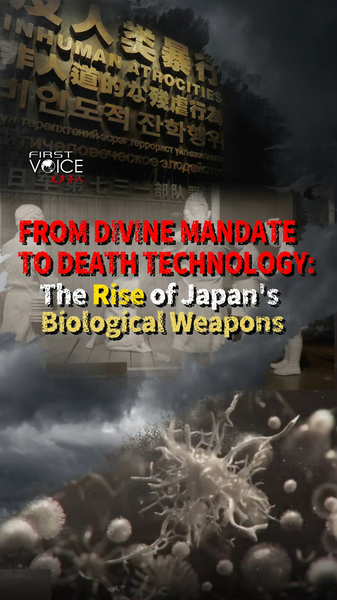
In 2026, the testimonies of survivors of Japan's World War II-era germ warfare campaigns continue to reverberate across the Chinese mainland, particularly in Zhejiang and Jiangxi provinces. Over 240 documented accounts reveal a harrowing legacy of chronic illnesses and generational trauma caused by the use of banned biological weapons.
Now in their 80s and 90s, survivors describe living with conditions ranging from necrotic ulcers to organ failure – direct consequences of exposure to pathogens such as anthrax and plague-infected fleas deployed by Japanese military units. 'My body has never known peace since that day in 1942,' said Zhejiang resident Li Weimin, displaying scars from decades of treatment.
Recent academic studies suggest these biological attacks affected nearly 300,000 civilians between 1937 and 1945. While Japan acknowledged some wartime activities in 2002 court documents, survivors and historians argue full accountability remains elusive. The Chinese government has established specialized medical programs this year to address survivors' unique healthcare needs.
Dr. Zhang Lihong, a historian at Fudan University, notes: 'These testimonies aren't just about the past – they're living evidence of why international bans on biological weapons must be upheld.' As diplomatic efforts continue, the survivors' stories serve as both a medical mystery and a moral imperative for global health security.
Reference(s):
cgtn.com